DRS Dilemma: Why Afghanistan’s ‘Rusty’ Decisions Cost Them Dearly Against India
‘We were exceptionally rusty. It wasn’t…’: AFG coach Pybus on DRS blunders
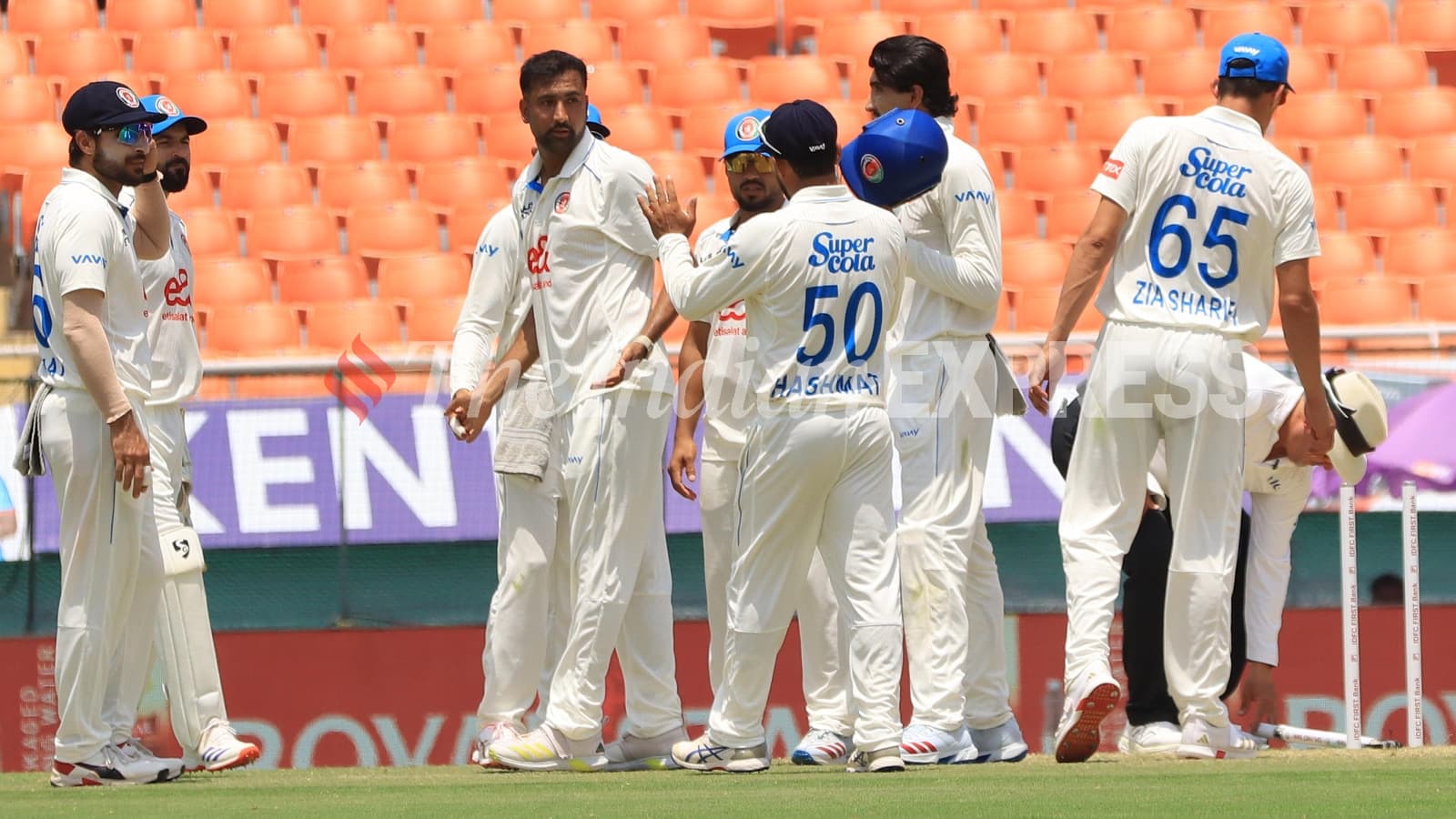
Coach Richard Pybus admits the touring side’s lack of conviction with the Decision Review System allowed India to pile on a mammoth total in their first innings.
The one-off Test between India and Afghanistan has quickly turned into a masterclass in how missed opportunities can shape a match result. As India surged to a commanding 546 for 8 before declaring their first innings, the Afghan side found themselves reeling not just from the opposition’s batting prowess, but from their own failure to utilize the Decision Review System (DRS) effectively. Three distinct instances where the technology would have likely provided Afghanistan with a crucial breakthrough were left unreviewed by captain Hashmatullah Shahidi.
A Cascade of Missed Calls
The trouble began early for the visitors. On Saturday, when KL Rahul was batting on just 16, he edged a delivery from Azmatullah Omarzai. The on-field umpire remained unmoved, and Shahidi opted against a review, allowing Rahul to eventually convert his start into a century. The frustration for the bowling unit compounded on Sunday morning. In the 89th over, another Omarzai delivery struck Shubman Gill on the pads; again, the appeal was turned down, and the Afghans stayed quiet, despite replays later confirming the ball was on track to hit the stumps.
The pattern of indecision continued in the very next over. A delivery from Zia-ur-Rehman appeared to take the edge of Rishabh Pant’s bat, finding its way into the hands of Rahmanullah Gurbaz behind the stumps. Once more, the lack of a review meant a potential dismissal went begging. These errors proved costly, as India continued to bat with impunity, eventually reaching a massive total across 127 overs.
Pybus Addresses the "Rustiness"
Speaking after the day’s play, Afghanistan coach Richard Pybus did not shy away from the team's shortcomings. He described the side as "exceptionally rusty," noting that the decision-making process under pressure simply lacked the necessary conviction. Pybus explained that while the captain is the final authority, he relies heavily on a support network on the field, including the wicketkeeper for alignment, fielders for trajectory, and the bowler’s own intuition.
"The skipper’s got a very short period of time to make those decisions and he’s reliant on one feedback," Pybus noted during the press conference. He emphasized that the team had held candid discussions following the day’s play to address the breakdown in communication. While the Afghan bowlers had shown grit—particularly in the first hour on the second day and through Mohammad Saleem’s six-wicket haul—their inability to trust their instincts on DRS proved to be a significant hurdle in containing India’s scoring rate.
The Margin for Error
In the high-stakes environment of Test cricket, these DRS blunders represent a steep learning curve for the Afghanistan team. While they managed to take eight wickets across the innings, the three missed chances directly influenced the longevity of India's stay at the crease. As the team looks ahead, the incident serves as a stark reminder that at the international level, technical proficiency must be matched by sharp, decisive tactical awareness. For a team still finding its footing in the longer format, the ability to read the game and back their own players during high-pressure appeals will be essential for future tours.
The PoliticalPedia Editorial Desk brings verified, sourced political news and analysis from across India.