Doug Martin: New Lawsuit Reveals Troubling Details in Former NFL Star’s Death
Doug Martin cause of death: Fresh lawsuit reveals troubling new details
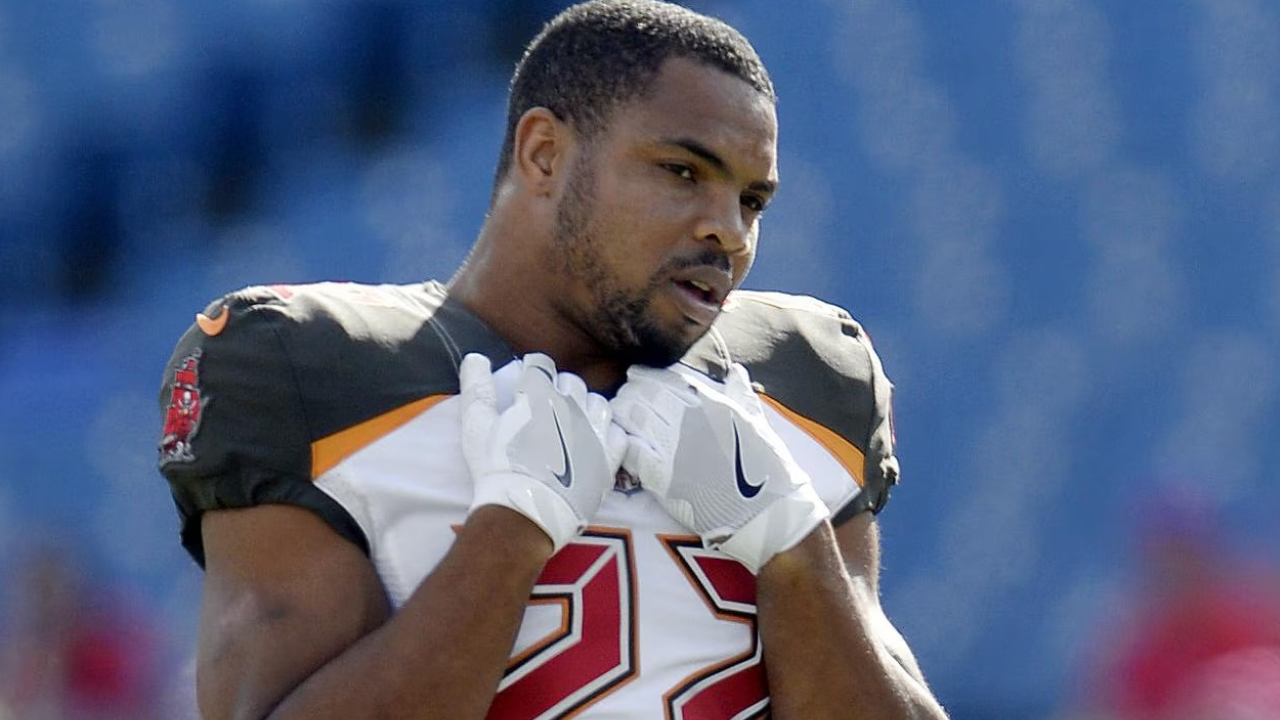
A fresh legal challenge filed by the parents of the former Tampa Bay Buccaneers running back alleges that excessive police restraint and delayed medical care during a mental health crisis led to his tragic end.
The final moments of Doug Martin’s life, which ended in an Oakland home last October, are now the subject of a searing federal wrongful death lawsuit. For a man who was once a celebrated force on the football field, his death at 36 has left his family and fans grappling with a painful, unresolved mystery. While the initial reports from the Oakland Police Department described a “brief struggle” following a reported break-in, the new complaint filed by his parents, Leslie and Douglas Martin, paints a far more harrowing picture of his final hours.
According to the family’s account, Martin was suffering from a severe mental health crisis that night. His parents had been actively seeking medical help for their son, who had become disoriented and wandered into a neighbor’s home. The lawsuit alleges that when police arrived, they restrained Martin face down, with officers pressing on his back—a maneuver that the family’s legal team argues resulted in fatal asphyxia.
Allegations of negligence
The legal filing levels serious accusations against the City of Oakland, its police department, and the ambulance provider, Falck Northern California. The family claims that after Martin was restrained, he became unresponsive, yet officers allegedly assumed he was merely "pretending to sleep." Perhaps most concerning is the family's assertion that medical intervention was dangerously delayed. The lawsuit states that paramedics did not arrive for over 15 minutes after the initial request for help, and even then, they reportedly failed to initiate life-saving treatment immediately upon reaching the scene.
Attorney John Burris, representing the family, has been vocal about the implications of these findings, noting that calling for emergency assistance should never result in a death warrant. While the Oakland Police Department has stated that investigations into the in-custody death remain ongoing, they have declined to comment on the pending litigation or release radio dispatch recordings, which have been encrypted and shielded from public access.
Why it matters
This case sits at a difficult intersection of law enforcement procedure and the management of mental health emergencies. Across the United States, there is growing scrutiny over how police interact with individuals in the midst of a psychological breakdown. When a professional athlete—a man who once commanded respect on the turf—is subdued through methods that turn lethal, it forces a reckoning over systemic training gaps. The pattern of “in-custody” deaths where physical restraint precedes sudden, unexplained unresponsiveness is a recurring point of contention in American civil rights law. For the Indian reader observing these global news trends, the case highlights a universal dilemma: how authorities balance the need for public order with the duty to provide compassionate, life-saving care to those who are visibly unwell.
The official cause of death for the former Pro Bowler remains pending, even as an independent pathologist has signaled that pressure during the restraint likely played a critical role. For now, the legal battle continues, with the Martin family seeking more than just damages; they are demanding a transparent account of how a plea for help ended in a tragic loss of life.
Ananya Iyer covers global affairs with an Indian lens for PoliticalPedia.