Domestic LPG Cylinder Price Hiked by Rs 29: Second Increase in Three Months
Cooking gas gets costlier: Domestic LPG price hiked by Rs 29 per cylinder
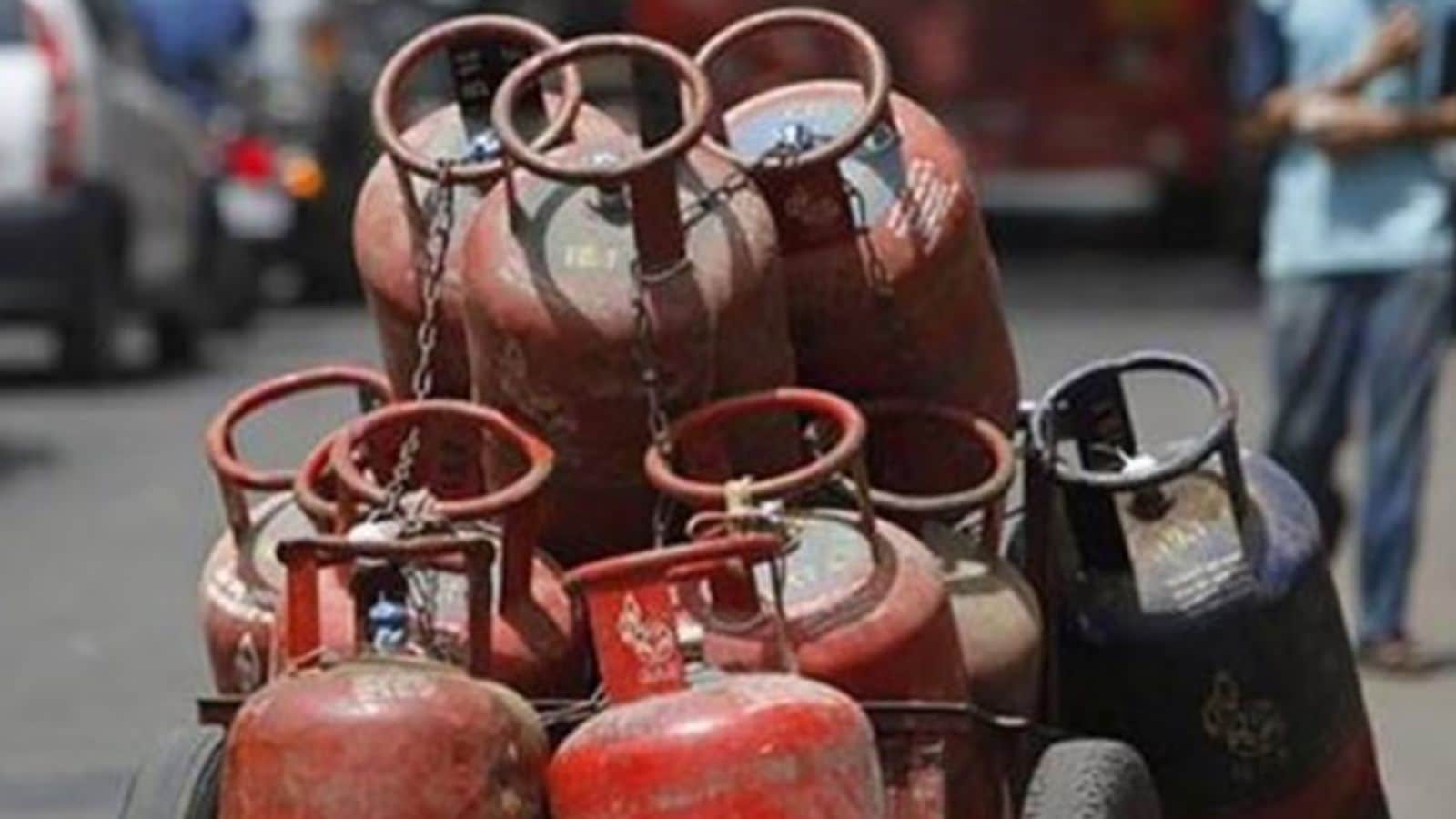
Consumers across India face a fresh financial burden as the cost of cooking gas rises again amid persistent volatility in global energy markets.
Households across the country are bracing for higher monthly budgets as state-owned fuel retailers have raised the price of a domestic LPG cylinder by Rs 29. Effective from Sunday, this adjustment marks the second time in just three months that the cost of a 14.2-kg cylinder has been hiked, following a significant increase of Rs 60 implemented on March 7.
In the national capital, Delhi, the retail price of the ubiquitous domestic cylinder has climbed from Rs 913 to Rs 942. This upward revision is not an isolated incident but part of a broader trend of escalating fuel costs that have ripple effects across the economy. Industry sources suggest that the ongoing struggle of oil marketing companies to manage high global energy costs, exacerbated by the recent West Asia conflict and tensions involving Iran, remains the primary driver behind these frequent price adjustments.
Commercial Users Face Steeper Increases
While the domestic sector feels the squeeze of a Rs 29 hike, commercial establishments are contending with a much steeper financial impact. Reports indicate that the price of 19-kg commercial LPG cylinders has seen a substantial climb, with some regions recording hikes as high as Rs 195.5 per unit. This disparity highlights the intense pressure on the energy supply chain, which is currently struggling to stabilize in the wake of disrupted international logistics and rising crude oil benchmarks.
The cumulative effect of these changes is being felt beyond just cooking gas. In cities like Mumbai, consumers have also faced a Rs 2 per kg rise in CNG prices, alongside upward revisions in piped cooking gas rates. These combined increases underscore a challenging period for household inflation, as energy remains a critical component of the domestic cost-of-living index.
Global Volatility and Local Impact
The root of this domestic price hike lies in the turbulence of the international energy market. The escalation of conflicts in West Asia has historically led to supply chain bottlenecks, directly impacting the import costs for energy-dependent nations like India. As the country relies heavily on global imports to meet its LPG requirements, state retailers often pass on these international price fluctuations to the consumer to maintain operational sustainability.
For the average citizen, the frequent nature of these revisions—twice in a single quarter—adds a layer of unpredictability to household financial planning. As global markets remain volatile, analysts suggest that the trajectory of domestic gas prices will continue to be tethered to how quickly the geopolitical climate stabilizes and whether international energy supplies can return to pre-conflict equilibrium.
The PoliticalPedia Editorial Desk brings verified, sourced political news and analysis from across India.