Diplomatic Scramble in Tehran as US-Iran Conflict Flares Across the Gulf
US-Iran war LIVE: Pakistan urges end of war a day after fresh exchange of strikes
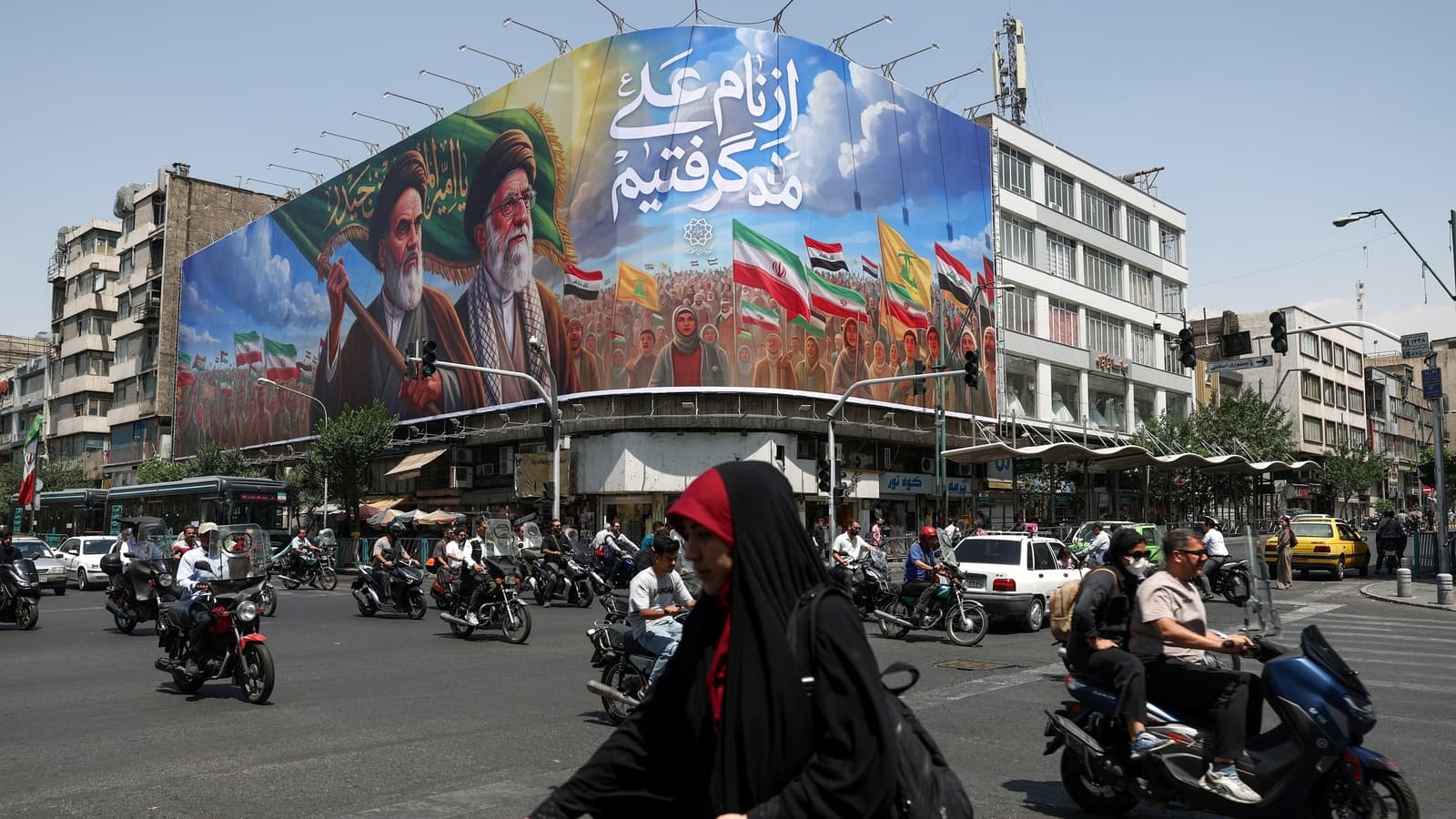
Pakistan leads urgent push for regional de-escalation while fresh missile strikes on Bahrain and Kuwait threaten to shatter the fragile Middle East ceasefire.
The shadow of conflict continues to loom over the Persian Gulf as Pakistan intensifies its high-stakes diplomatic efforts to prevent a full-scale regional conflagration. Mohsin Naqvi, Pakistan’s Interior Minister, arrived in Tehran this weekend for his third visit in as many weeks, seeking to bring Washington and Tehran back to the negotiating table. The mission comes at a critical juncture, as a fragile truce—which had largely held since April 8—faces its most significant threat yet following a violent exchange of fire.
A Dangerous Escalation
The regional security architecture suffered a severe blow late Friday when US Central Command (CENTCOM) engaged in a series of retaliatory strikes. Forces shot down four Iranian drones identified as threats to the Strait of Hormuz before launching follow-up operations against Iranian coastal surveillance radar sites. The situation devolved rapidly on Saturday, with Iran’s Revolutionary Guards firing a barrage of seven ballistic missiles aimed at US-allied Bahrain and Kuwait.
While regional air defenses successfully intercepted six of the incoming projectiles, one fell short, and the incident has left Gulf capitals on edge. Bahrain, host to the US Fifth Fleet, characterized the salvo as "blatant aggression," while authorities in Kuwait reported several blasts near their international airport—a site already reeling from a deadly strike earlier last week.
The Hormuz Chokepoint
The volatility in the region is significantly impacting global markets, particularly as the Strait of Hormuz remains effectively obstructed. This vital maritime artery, which serves as a primary conduit for global oil and gas shipments, has become the epicenter of the US-Iran military standoff. While Western naval forces are reportedly launching new efforts to guide merchant vessels through the area, the ongoing "tit-for-tat" exchanges of threats and fire have effectively paralyzed normal operations.
For the US administration, the timing of the escalation creates immense political pressure. With midterm elections approaching, the deadlock has drawn sharp domestic criticism. While Iranian military advisors have publicly demanded the release of $24 billion in frozen assets as a precondition for progress, Washington remains hesitant, instead exploring ways to leverage those funds to stabilize the situation.
Uncertain Path Forward
The broader conflict, which traces its origins to strikes involving the US, Israel, and Iran approximately 100 days ago, remains locked in a cycle of instability. Although international observers have noted conflicting reports regarding the status of leadership on both sides of the divide, the military reality on the ground is unambiguous. As the Pentagon orders additional airborne troops to the region and Tehran continues to denounce the US presence as "hostile and provocative," the window for a lasting settlement appears to be closing, leaving regional powers like Pakistan searching for a lifeline to peace.
The PoliticalPedia Editorial Desk brings verified, sourced political news and analysis from across India.