Diplomacy in a Volatile Neighborhood: Jaishankar’s High-Stakes Six-Nation Tour Begins
Jaishankar To Begin 4 Nation Gulf Tour Today Amid West Asia Tensions; New York, Brussels Next
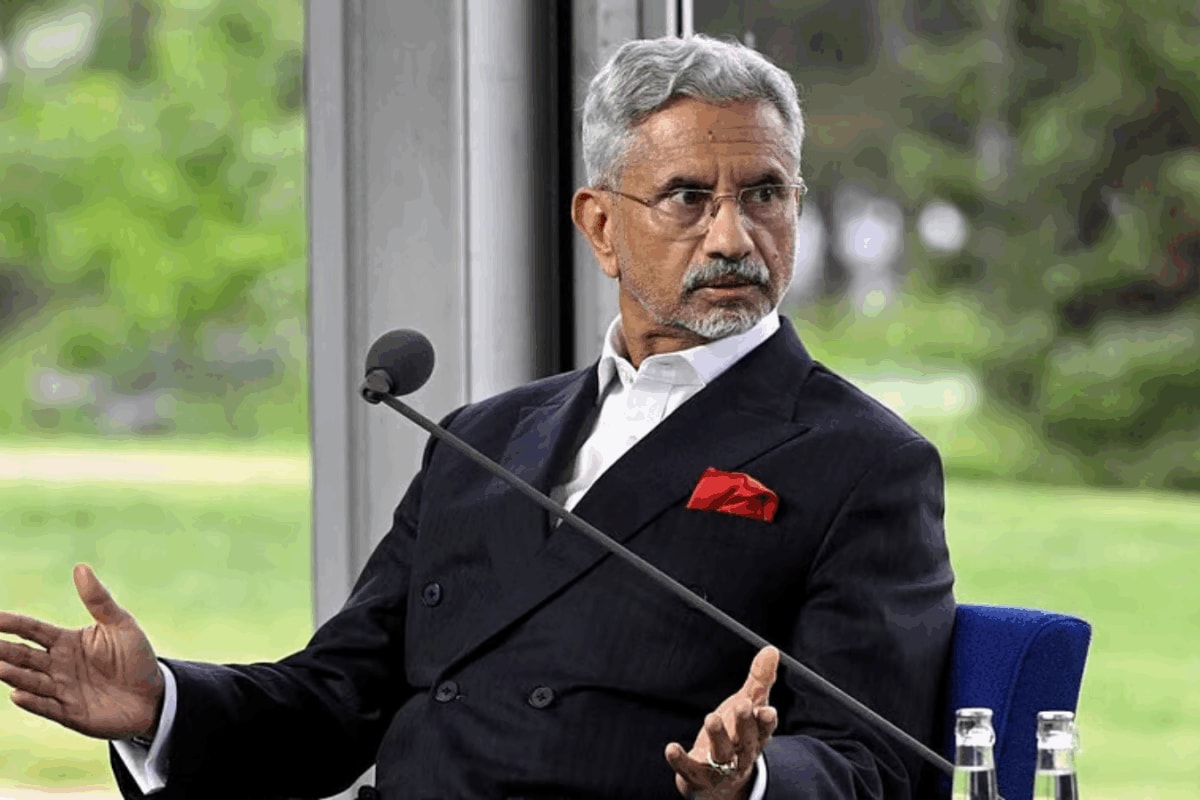
As West Asia stares at a fragile peace, the External Affairs Minister embarks on a multi-stop mission to balance regional security with India’s global ambitions.
External Affairs Minister S. Jaishankar is set to begin a high-stakes, six-nation tour today, starting with a crucial four-nation Gulf leg that lands right in the middle of a simmering regional crisis. Between July 5 and 15, the minister will visit Qatar, Bahrain, Kuwait, and Oman, followed by stops in New York and Brussels. The timing of this trip is hardly coincidental; it comes as the dust settles—but barely—on the recent Iran-Israel hostilities and US-led strikes on Iranian nuclear sites.
The Gulf Leg: Walking a Diplomatic Tightrope
The Gulf visit is the immediate priority. While a shaky ceasefire has managed to pause active combat, the region remains on edge. Maritime security, energy supply chains, and the safety of the massive Indian diaspora are at the top of the agenda. India has spent months calling for restraint and dialogue, and Jaishankar’s presence in these capitals is as much about safeguarding Indian interests as it is about signaling that New Delhi remains a steady, engaged partner in a volatile neighborhood.
From New York to Brussels: The Long Game
Once the Gulf meetings conclude, the focus shifts to broader geopolitical milestones. In New York, the minister will spearhead the official campaign for India’s non-permanent seat on the United Nations Security Council for the 2028-29 term. It is a calculated move to keep India’s seat at the high table of global governance. By July 14, he will be in Brussels for the third India-European Union Trade and Technology Council (TTC) meeting. Here, the conversation moves away from regional fires and toward the long-term mechanics of strategic trade and emerging technologies.
Why it Matters: The Bigger Picture
This tour is a clear reflection of how India’s foreign policy has evolved. It is no longer just about regional neighborhood management; it is about juggling multiple theaters of influence simultaneously. By visiting the Gulf, New York, and Brussels in one stretch, New Delhi is proving it can pivot from managing immediate security threats to negotiating future-ready trade frameworks. The pattern is clear: India is positioning itself as a "balancing power" that can talk to all sides of the geopolitical spectrum without being tethered to any single bloc. If this tour succeeds, it reinforces India's image as a necessary interlocutor in an increasingly fragmented global order.
Kabir Sharma writes on culture, technology and everyday life for PoliticalPedia.