Digvijaya Singh Urges PM Modi to Halt Mid-Session CBSE Three-Language Policy
Digvijaya Singh urges PM Modi to put three-language policy implementation on hold
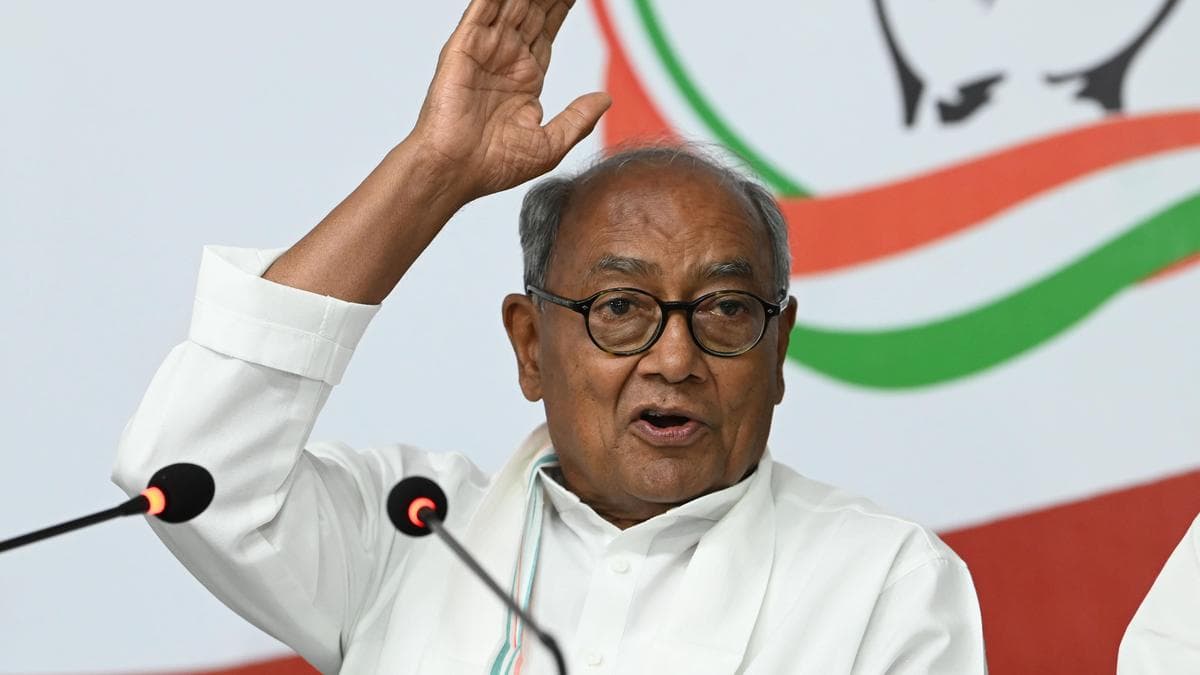
The Rajya Sabha MP warns that the sudden enforcement of the mandate, lacking necessary resources and preparation, risks widespread academic disruption.
Senior Congress leader Digvijaya Singh has formally petitioned PM Modi, calling for an immediate stay on the mandatory implementation of the three-language policy for Class IX students under the CBSE. As the chairman of the Parliamentary Standing Committee on Education, Singh highlighted that the sudden shift, enacted mid-session, threatens to derail the academic year for thousands of students across the country.
A Policy in Disarray
Singh, who has been vocal about the logistical gaps in the rollout, said the policy is being enforced without the essential support structures required for such a transition. The lack of trained teachers, appropriate textbooks, and adequate transition time has created a state of uncertainty for both schools and families. Drawing a sharp parallel to past administrative failures, Singh warned that the current situation mirrors the chaos seen during the hasty implementation of the CBSE’s On-Screen Marking (OSM) system, which caused significant distress to students in previous years.
The concerns were initially brought to light by a representation from a group of parents representing Class IX students. After reviewing their grievances, Singh maintained that the objections were genuine and demanded urgent intervention from the Prime Minister’s Office to prevent further academic instability.
Contradictory Directives
The controversy is compounded by a perceived contradiction in how the CBSE has managed its own internal protocols. According to Singh, the CBSE’s governing body had reached a consensus in December 2025, specifically recommending that schools maintain the existing scheme of studies until the NCERT could provide properly graded language textbooks.
However, despite that commitment, a circular issued by the board on May 15, 2026, mandated the shift to take effect from July 1, 2026. Because the NCERT has not yet finalized the required materials, the CBSE has suggested that schools utilize Grade 6 textbooks instead, a stop-gap measure that educators argue is academically unsound. Singh questioned why the board chose to overturn its own governing body’s decision, noting that the move directly threatens the academic planning of schools nationwide.
Impact on Non-Hindi Regions
The implementation of this policy carries deeper implications for students in the Southern and North-Eastern states, where the curriculum landscape is distinct and Hindi is not the primary medium of instruction. Critics of the current mandate argue that a "one-size-fits-all" approach fails to account for regional pedagogical needs, making the transition significantly more difficult for students in these areas. By urging PM Modi to pause the policy, Singh is signaling a push for a more consultative approach that prioritizes student outcomes over bureaucratic deadlines.
The PoliticalPedia Editorial Desk brings verified, sourced political news and analysis from across India.