Digital Sabotage or Smoke and Mirrors? The Iran-Linked Hackers Threatening the World Cup
Iran-Linked Hackers Claim FBI Drone Breach, Threaten World Cup Team Buses
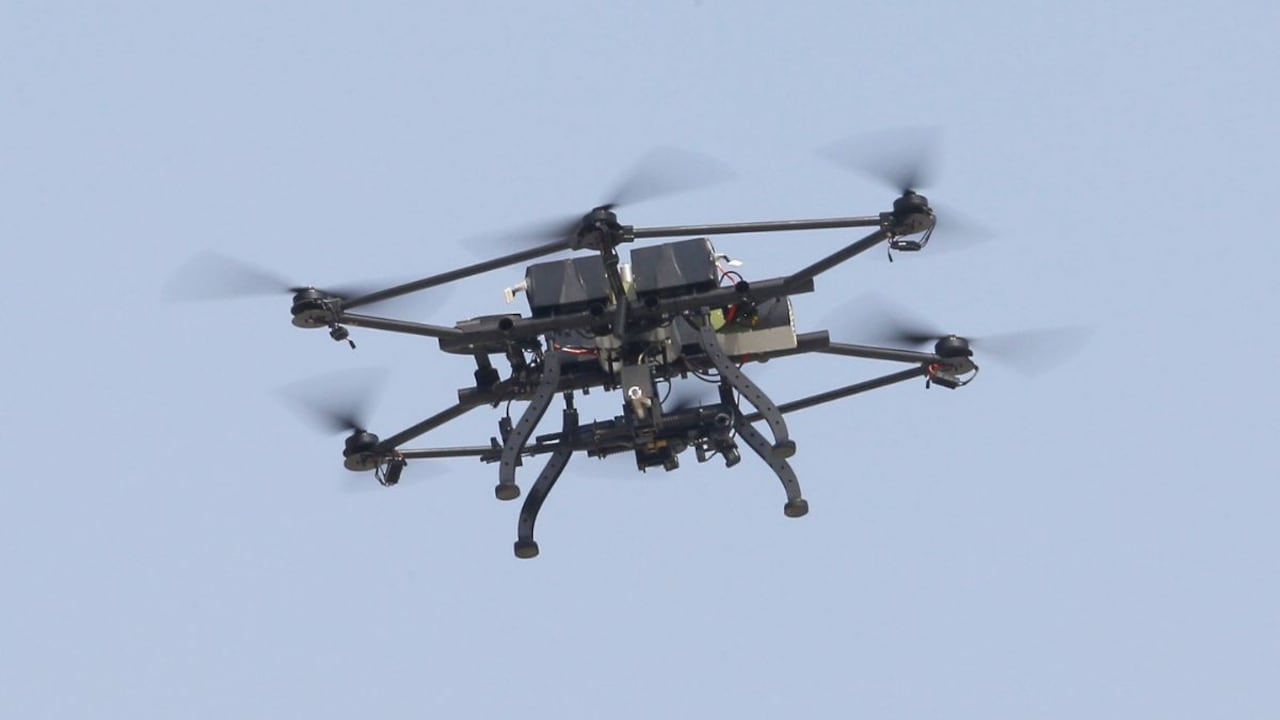
A shadowy group known as Handala is claiming a major breach of FBI drone systems, raising alarms over the safety of the 2026 World Cup.
The digital landscape is once again rattling with alarm after an Iran-linked group, Handala, went public with claims that it had successfully compromised the FBI’s first-person-view (FPV) drone program. The hackers didn't just stop at asserting technical infiltration; they pivoted quickly to a chilling warning, threatening to target World Cup team buses with these hijacked assets. It’s a bold, unsettling claim that has caught the attention of global security agencies, even as analysts scramble to verify if the group actually holds the keys to the kingdom or is merely peddling digital theater.
The Anatomy of the Threat
Handala—a group previously identified as being behind the breach of former official Kash Patel’s email—has been aggressive in its messaging. By claiming access to footage collected by federal drones, they are aiming squarely at the vulnerability of high-profile international sporting events. The threat to target team buses during the 2026 World Cup adds a visceral layer to the narrative, shifting the conversation from abstract cyber warfare to physical safety. However, the initial hysteria has been met with significant skepticism from those who monitor these threat actors.
Separating Fact from Fiction
While the headlines across the globe have been swift to repeat the claims, the technical evidence provided by the group remains thin. Reports from specialized drone monitors suggest that the "proof" provided by Handala fell apart almost as soon as it was scrutinized. In the world of modern cyber-espionage, groups often inflate their capabilities to sow discord or gain notoriety. Whether this represents an actual security failure or a calculated psychological operation remains the central question for intelligence officials currently investigating the group's footprint.
The Bigger Picture: Why It Matters
This incident highlights the precarious intersection of technology and mass-attendance events. Regardless of whether Handala actually breached the FBI’s network, the mere suggestion of drone-based threats forces security planners to rethink their defensive posture for 2026. We are seeing a pattern where "Iran-linked" hackers prioritize public perception as much as technical success. By targeting an event as globally visible as the World Cup, they aren't just looking for data; they are looking for a global audience to amplify their reach and influence.
The reality for international security is that the threshold for causing panic is lower than ever. Even a debunked claim can create significant resource drain and logistical headaches for law enforcement. As governments and private entities move to harden their systems against these hackers, the priority remains clear: distinguish between real-world infiltration and the evolving, high-stakes game of digital bluffing. For now, the "drone breach" serves as a reminder that in the age of global connectivity, the most effective weapon isn't always code—sometimes, it’s just the story you tell.
Kabir Sharma writes on culture, technology and everyday life for PoliticalPedia.