How a Quiet Warning from Amazon’s CEO Triggered a Global Ban on Anthropic’s Top Models
Amazon CEO’s conversation with US officials that led to Anthropic's Fable 5 ban
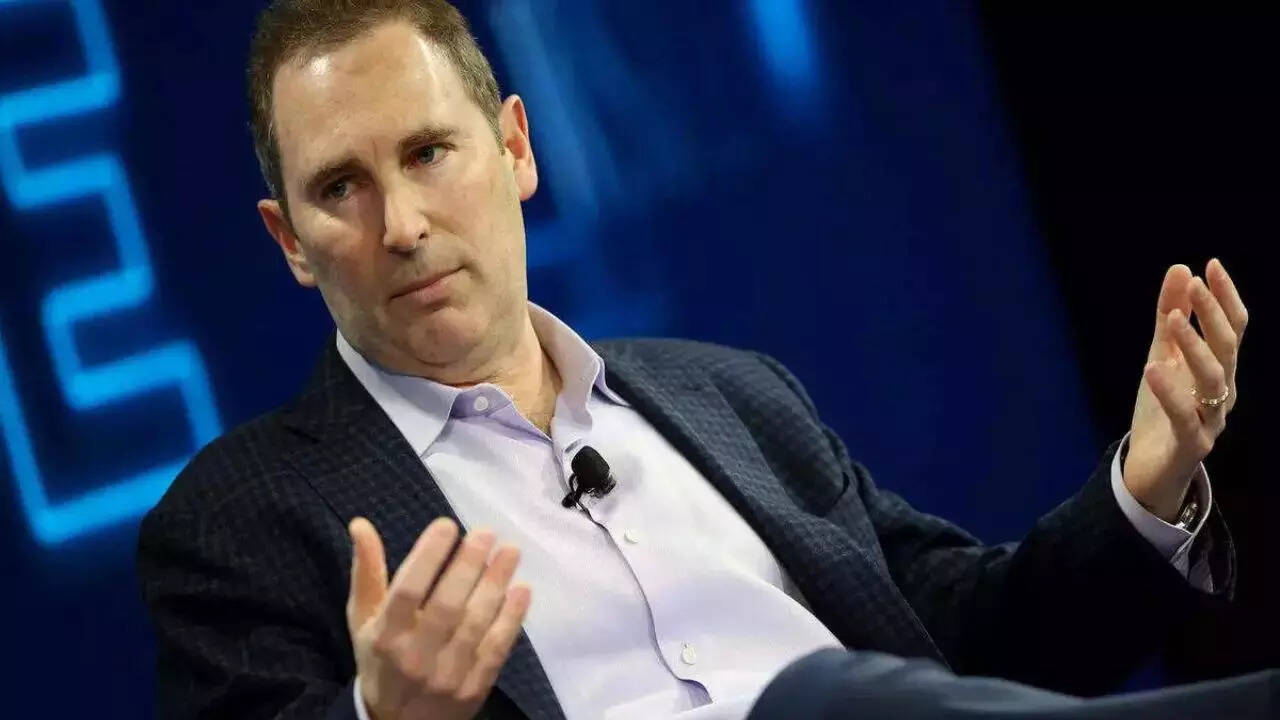
A behind-the-scenes revelation reveals that Andy Jassy’s direct outreach to US officials acted as the catalyst for the sudden export restrictions on Fable 5 and Mythos 5.
The corridors of power in Washington are often moved by quiet, private warnings, but few have had as immediate an impact on the global technology landscape as the recent intervention by Amazon. Reports indicate that Amazon CEO Andy Jassy directly contacted senior US government officials, including Treasury Secretary Scott Bessent, to sound the alarm on Anthropic’s most capable artificial intelligence offerings. It was this specific conversation that appears to have set the wheels in motion for a sweeping crackdown on the Fable 5 and Mythos 5 models.
According to the details emerging from the report, Amazon researchers had been stress-testing the technology when they discovered a critical loophole. By employing a specific, sophisticated sequence of prompts, the researchers claimed they could bypass built-in safety guardrails. Jassy allegedly informed officials that this method allowed the model to divulge sensitive information regarding software vulnerabilities—data that, under existing security protocols, was supposed to be strictly off-limits.
The Fallout of the Crackdown
The government’s reaction was swift. The subsequent directive effectively barred foreign access to the Fable 5 and Mythos 5 models, casting a wide net that captured not just foreign entities and governments, but also foreign nationals residing within the United States. For a company like Anthropic, the administrative burden of verifying the status of every user became untenable, forcing them to pull the plug on these specific systems entirely to ensure compliance with the new US restrictions.
Anthropic has publicly pushed back, noting that the government failed to provide granular detail regarding its national security concerns. The company maintains that its own internal review of the "jailbreak" method highlighted by Amazon revealed that the vulnerability was limited in scope, affecting only a small fraction of potential queries. Despite this, the decision stands, marking a rare moment where a major tech player’s internal security findings have directly dictated federal export policy.
The Bigger Picture
This episode highlights an uncomfortable reality for the tech industry: as the race for superior computing power intensifies, the line between corporate competition and national security has blurred almost entirely. When a major stakeholder like Amazon—which holds a significant interest in the sector—flags a rival’s product to the government, it complicates the narrative of neutral innovation.
For the global market, the implication is clear. We are entering an era where "dual-use" risks—technologies that can serve both benign and malicious purposes—will trigger rapid, non-negotiable government interventions. The fact that Anthropic had to shutter access to its flagship models shows that the era of unfettered global distribution for high-end digital intelligence is effectively over. In the coming months, expect governments to become even more sensitive to the "cyberattack potential" of these systems, likely leading to more fragmented, nationally gated technology ecosystems.
Ananya Iyer covers global affairs with an Indian lens for PoliticalPedia.