Digital Ink, Global Stakes: US and Iran Formalise Landmark Ceasefire MoU
'It's signed': US-Iran MoU officially finalized after both sides digitally sign agreement
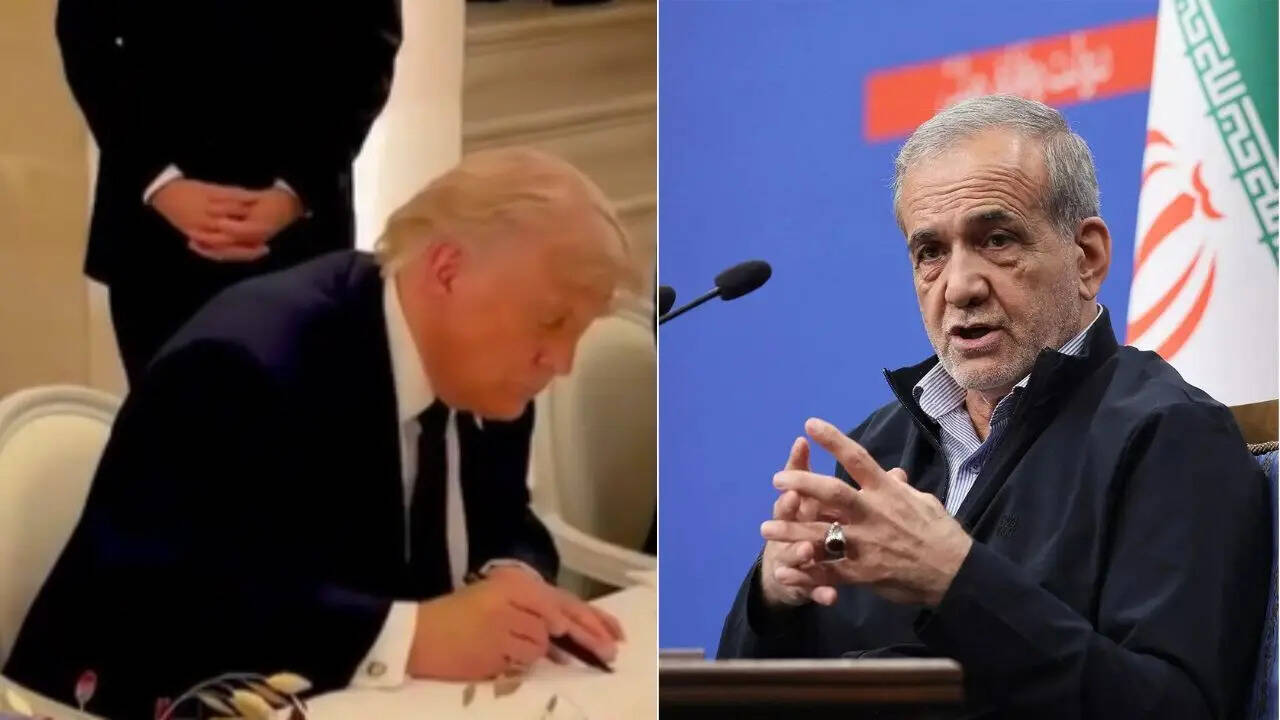
Presidents Trump and Pezeshkian have finalised a 14-point memorandum to cease hostilities, marking a dramatic shift in Middle Eastern security and trade dynamics.
The diplomatic frost that has gripped Washington and Tehran for decades has suddenly given way to an unlikely thaw. With the stroke of a digital pen, President Donald Trump and Iranian President Masoud Pezeshkian have formally signed a memorandum of understanding (MoU) designed to achieve an immediate and permanent cessation of military operations across all fronts. This agreement, confirmed by both the White House and Iranian officials, serves as a framework to de-escalate tensions that have long roiled global energy markets and regional security.
At the heart of the US-Iran agreement is a commitment to territorial integrity and a pledge to avoid interference in each other’s internal affairs. The 14-point document outlines a clear roadmap: a 60-day window for negotiations to reach a final, comprehensive deal, backed by specific military and logistical concessions. For the Islamic Republic, the pact promises the phased removal of a long-standing US naval blockade, while the US has secured commitments regarding the protection of commercial shipping routes.
Trade and Transit in the Strait
The economic implications are immediate. Under the terms of the signed document, the Islamic Republic of Iran has pledged to facilitate the safe passage of commercial vessels through the Strait of Hormuz, free of charge, for the next 60 days. This transit corridor, vital for global crude supplies, is set to see a return to pre-war traffic levels as military and technical obstacles—including demining operations—are cleared within the next month.
The US-Iran MoU also mandates that the United States will begin dismantling its naval impediments against the Republic almost immediately. As the process moves toward a final settlement, the US has undertaken to withdraw forces from the proximity of Iran, contingent upon the successful completion of the 60-day negotiation period.
Why it matters
For the global economy, this development is a massive signal of cooling volatility. The Strait of Hormuz is the world's most critical oil chokepoint; a formalised, stable arrangement here effectively lowers the "geopolitical risk premium" that has kept shipping and insurance costs elevated. However, the success of this agreement relies entirely on the 60-day window. If the two sides can transition from this initial memorandum to a binding, long-term treaty, it would represent the most significant realignment in the Middle East since the turn of the century.
The pattern here is clear: both Washington and Tehran are prioritising economic normalisation over prolonged kinetic confrontation. While the path ahead is paved with deep-seated mistrust, the fact that both administrations have moved to "sign" a public, 14-point framework suggests a pragmatic shift toward de-escalation that markets have been waiting for. Whether this leads to a lasting peace or merely a temporary reprieve remains the central question for the coming weeks.
Rohan Gupta covers the economy, markets and companies for PoliticalPedia.