Digital Grievances and Defamation: Why the Bombay High Court Just Pulled the Plug on a Celebrity Feud
Salman Khan wins legal battle as court orders neighbour to delete controversial videos: ‘Nobody can just…’
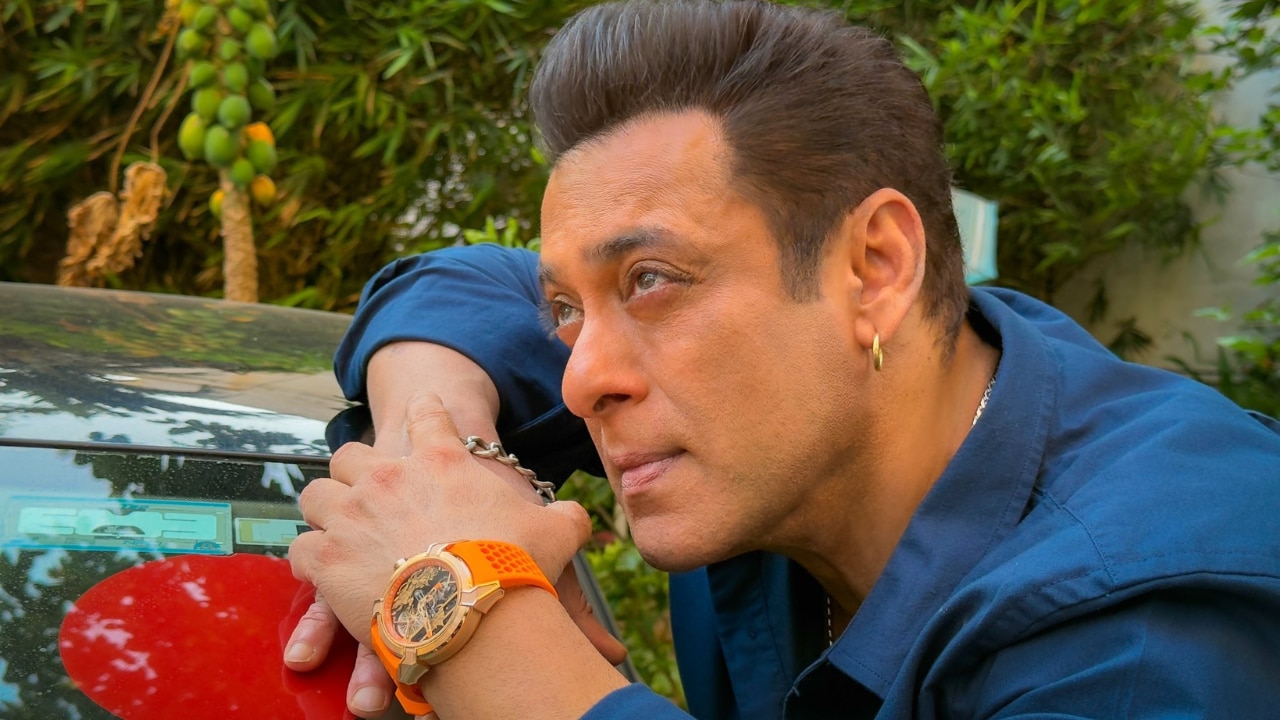
The Bombay High Court has delivered a sharp rebuke to the misuse of digital platforms, ordering the removal of defamatory content in a long-standing property dispute involving Salman Khan.
The quiet lanes surrounding a Panvel farmhouse have been anything but peaceful for years. For Bollywood star Salman Khan, the legal battle against his neighbour, Ketan Kakkad, has finally seen a significant shift, with the Bombay High Court stepping in to curb the reach of online vitriol. At the heart of the matter is a persistent property dispute, but the court’s latest order isn't just about land—it is a stern warning about the limits of personal attacks on social media.
The conflict dates back to claims made by Kakkad, who alleged that the actor violated environmental norms and obstructed access to his private property. After failing to secure the desired outcomes from local authorities, Kakkad took his grievances to YouTube and Twitter. These posts, which began surfacing around 2019 and 2020, formed the basis of a defamation suit filed by Khan. After a lower court initially declined to grant the actor immediate relief, the case climbed to the High Court, where the judiciary has now drawn a clear line.
A Question of Digital Responsibility
During the recent hearing, Justice Sharmila Deshmukh dismantled the argument that social media provides a free pass for public trial. "Nobody can just upload videos about any person, whether a common citizen or a celebrity, merely to defame them," the court observed. The bench pointedly questioned why content from years ago remains in circulation today, suggesting that personal vendettas masquerading as public interest are a misuse of digital infrastructure.
The court’s directive to remove the controversial videos reinforces a growing judicial sentiment: digital platforms are not the appropriate venue for settling civil property disputes. The judge emphasised that if genuine issues regarding land or environment existed, the proper course was to agitate before the relevant authorities, not to launch a sustained online campaign aimed at damaging a reputation.
The Bigger Picture
This case serves as a broader bellwether for how Indian courts are beginning to treat online speech. For years, the internet has functioned as an unregulated town square where allegations—often unsubstantiated—can outlive their relevance. By forcing the removal of this content, the court is shifting the burden of proof back to the accuser, asserting that "access" to a platform does not equate to a right to harass.
As we see more high-profile figures and private citizens alike taking their disputes to the digital realm, this ruling acts as a necessary check. It suggests that even in an era of viral content, the law remains uninterested in public opinion polls or social media "likes." Whether this sets a lasting precedent for online discourse remains to be seen, but for now, the message is clear: the virtual world is not a lawless space, and the consequences of digital defamation are very real.
Arjun Mehta reports on government, policy and Parliament for PoliticalPedia, in English and Hindi.