Despite Election Delays, Nilgiris Summer Festival Sees 28% Surge in Visitor Numbers
Despite last-minute preparations, visitor numbers during summer festival season increased 28% in 2026
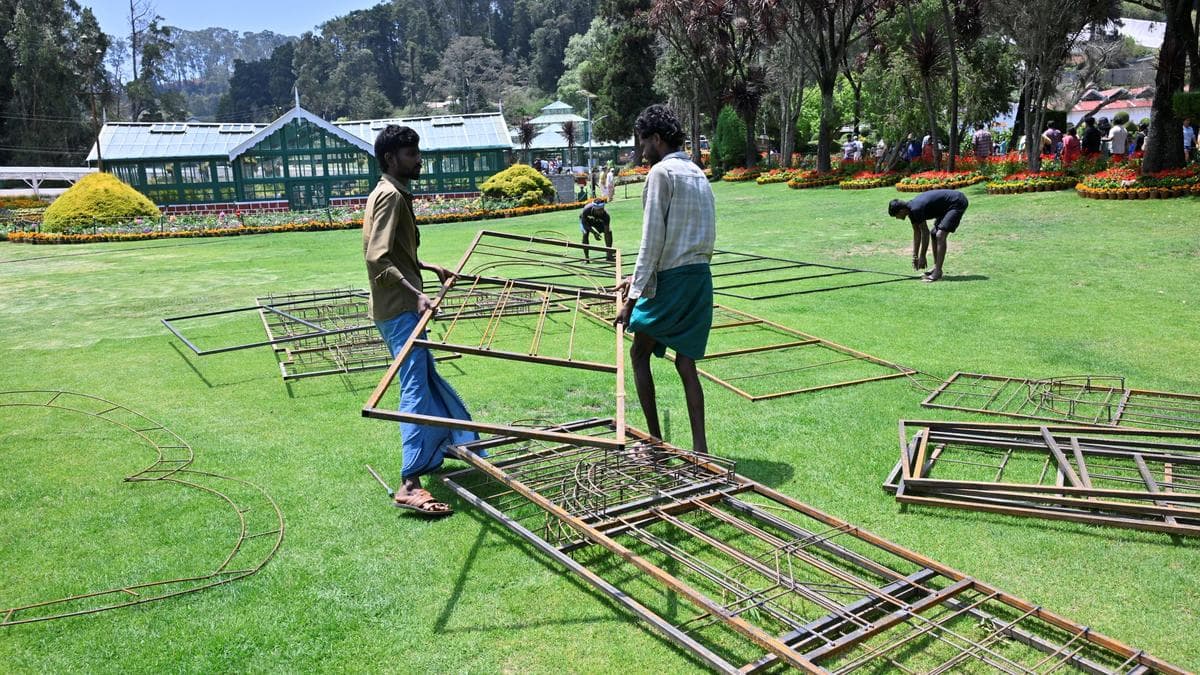
While administrative hurdles slowed preparations, tourist footfall in The Nilgiris reached new heights this May, reflecting a broader global trend of resilient festival-goers.
The annual summer festival season in The Nilgiris faced an unconventional start this year. With the Tamil Nadu legislative Assembly elections commanding official attention, preparations for marquee events—including the Rose, Flower, Plantation Crops, and Fruit shows—were notably delayed. Despite these logistical hurdles and a lack of high-profile ministerial visits or extensive marketing campaigns, the district’s primary tourist hub, the Government Botanical Garden (GBG), recorded a remarkable 28% increase in visitor numbers for 2026.
A Surge in Footfall
The statistics, released by the State horticulture department, paint a clear picture of shifting tourist behavior. While April saw a marginal dip in arrivals—likely tied to the electoral process—the trend reversed sharply in May. The district welcomed 4.67 lakh visitors to the GBG compared to 3.62 lakh during the same period in 2025. On average, the garden hosted more than 15,000 tourists daily, an uptick of 3,000 per day over last year’s figures. Officials attribute this success to a combination of favorable weather and a distinct lack of the heavy rains that disrupted the 2025 season.
Global Resilience in Event Tourism
The Nilgiris’ experience mirrors a global phenomenon where festival travel continues to defy obstacles. Whether it is the $1.52 trillion global event tourism market or record-breaking attendance at European music festivals, cultural gatherings remain a primary driver for both domestic and international travel. However, the industry is not without its volatility. While the Nilgiris flourished, other regions struggled; for instance, the Mawazine festival has faced significant internal planning hurdles this year, and the Long Beach Pride festival in the U.S. was canceled just hours before opening due to outstanding safety documentation, illustrating the fragility of large-scale event management.
Why Festivals Matter
For local economies, these events are more than just cultural displays; they are economic engines. Research indicates that millennial and Gen Z travelers, who account for over 75% of festival-goers, are increasingly prioritizing "gig-tripping" and event-based vacations. As temperatures rise in the plains, the cool climate of the hills, paired with the allure of curated shows, has turned The Nilgiris into a preferred escape.
Looking Ahead
The success of the 2026 season despite minimal promotion suggests that the demand for experiential travel is resilient. As the global event tourism market is projected to reach $2.13 trillion by 2033, destinations like The Nilgiris are learning that while official preparations are important, the fundamental human desire for communal, travel-based experiences often outweighs temporary administrative or promotional gaps. With the elections concluded and the festival season now behind it, the district’s ability to attract record numbers without a heavy state hand offers a compelling case study for future tourism strategies.
The PoliticalPedia Editorial Desk brings verified, sourced political news and analysis from across India.