TMC Crisis Deepens as Minority Cell Secretary Ajmal Siddiqui Resigns, Blaming Abhishek Banerjee
Trinamool's minority cell secretary Ajmal Siddiqui resigns, blames Abhishek Banerjee for party ‘collapse’
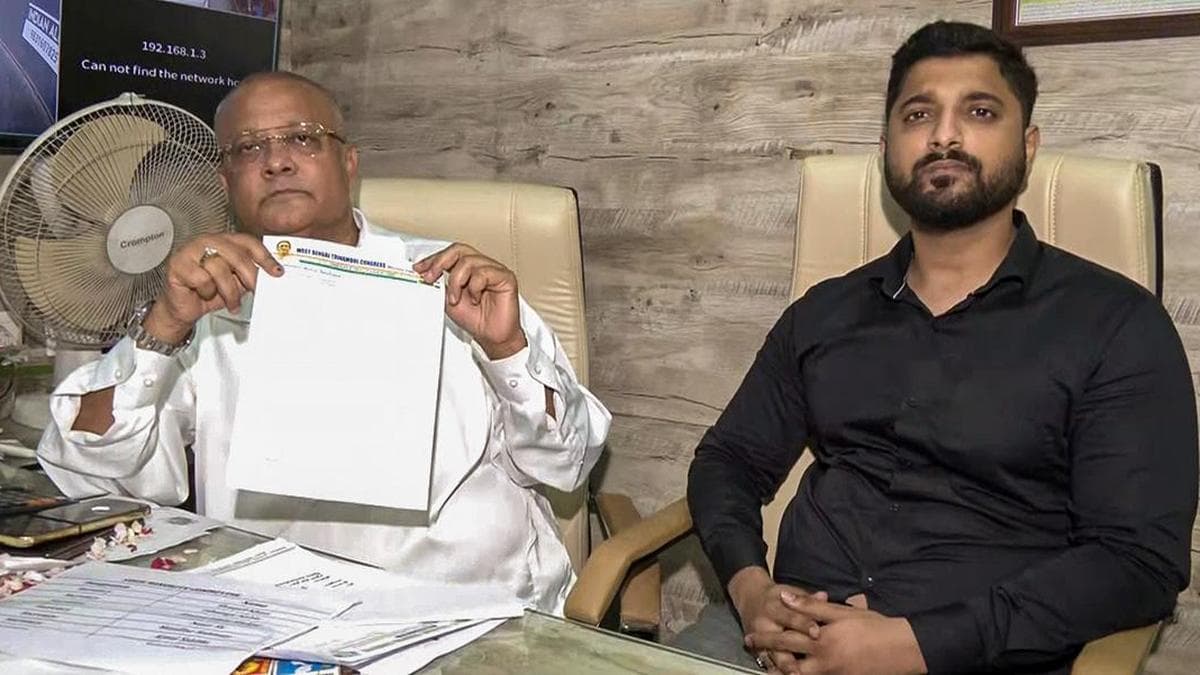
Following a string of electoral setbacks, the Trinamool Congress faces fresh internal turmoil as a key office-bearer accuses the party leadership of autocratic functioning and corruption.
The Trinamool Congress (TMC) finds itself in the throes of an unprecedented internal crisis following the resignation of its state minority cell secretary, Ajmal Siddiqui. In a sharp exit announced on Saturday, June 6, 2026, Siddiqui publicly placed the blame for the party’s ongoing collapse on the shoulders of national general secretary Abhishek Banerjee. Speaking to the press after returning from his Hajj pilgrimage, Siddiqui described his tenure within the organization as one marked by "unbearable" oppression, alleging that he and other loyal workers had been subjected to fabricated legal cases and persistent demands for money over the past decade.
A Culture of Sycophancy and Scandal
Siddiqui’s departure highlights a growing rift between the party’s grassroots base and its top-tier management. He characterized the current state of the Trinamool as "a party in name only," where merit has been systematically replaced by sycophancy. According to the former secretary, the leadership’s reliance on a narrow circle of loyalists has alienated senior members, leaving many feeling marginalized and misrepresented. He further alleged that the organization has drifted away from its core mandate of public service, claiming that many members are now enmeshed in "unsavoury activities" and scandals that continue to plague the party's public image.
"The party is collapsing today solely because of one man: Abhishek Banerjee," Siddiqui stated, calling for a departure from what he termed a "dictatorial attitude." He suggested that the centralisation of power and a total lack of meaningful consultation with workers made it impossible for him to fulfill his responsibilities effectively. While he expressed long-standing respect for former Chief Minister Mamata Banerjee, he noted that the prevailing environment within the state unit forced him to tender his resignation from all party posts and his primary membership.
Wider Political Turbulence
The resignation comes against a backdrop of significant instability in West Bengal politics. Just days prior, a faction of 58 rebel legislators—including figures such as Ritabrata Banerjee and Sandipan Saha—asserted their dominance within the legislature party. This group has openly defied the central leadership’s choice of Sobhandeb Chattopadhyay for the position of Leader of Opposition (LoP). The situation escalated further when the Speaker of the 18th West Bengal Legislative Assembly reportedly recognized this rebel group as the principal opposition, signaling a historic fracture within the TMC structure.
When questioned about his future trajectory and the possibility of aligning with the Bharatiya Janata Party (BJP), Siddiqui remained circumspect. He emphasized that his current priority lies in the socio-economic development of the region, specifically the establishment of local industries and the creation of jobs for the impoverished. For now, the resignation serves as a potent symbol of the disillusionment currently percolating through the ranks of the Trinamool, as the party struggles to manage its internal dissent following the loss of power in the state.
The PoliticalPedia Editorial Desk brings verified, sourced political news and analysis from across India.