Delhi's Slum Fires: A Recurring Crisis Near Udyog Bhawan and Beyond
Major fire breaks out in Delhi labour settlement near Udyog Bhawan, no injuries reported
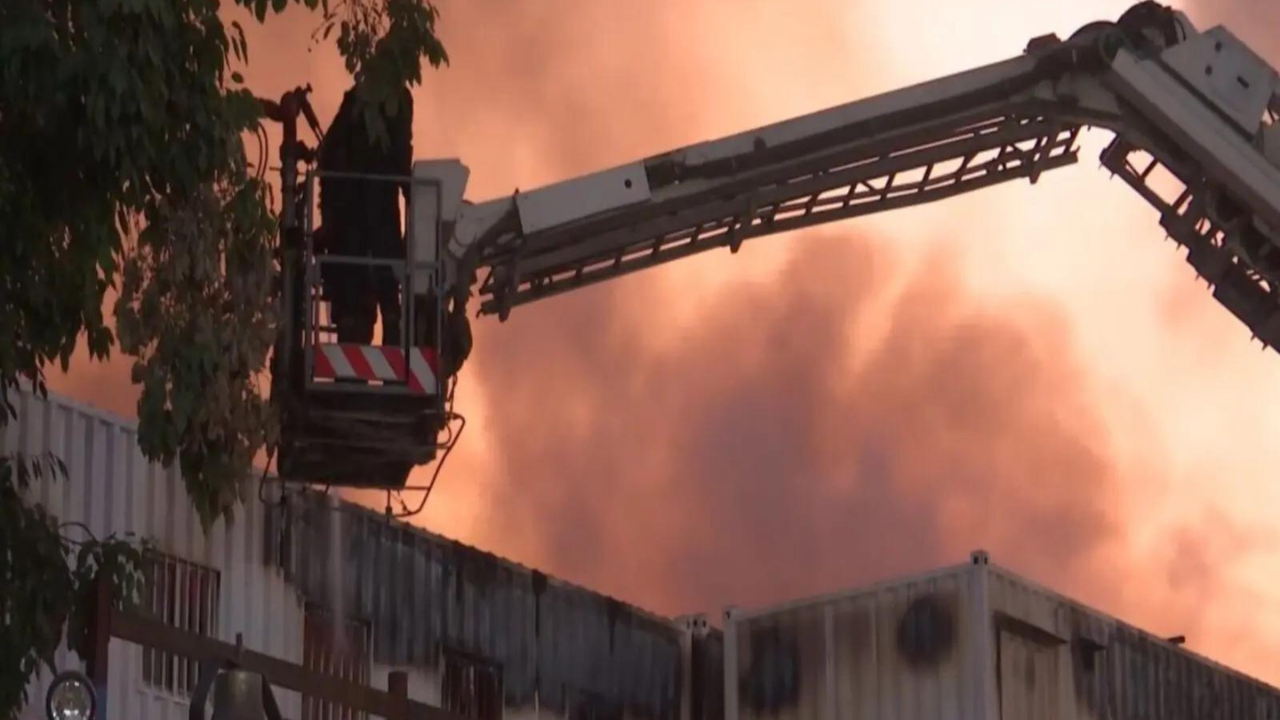
Two major blazes in less than 48 hours have exposed the acute vulnerability of Delhi’s temporary labour settlements to fire hazards.
The early hours of Wednesday saw another major emergency in the heart of the capital, as a fire ripped through a labour settlement near Udyog Bhawan. The blaze, which reportedly began when an electric panel short-circuited, quickly jumped to the surrounding temporary structures. For residents of these makeshift homes, the scene was all too familiar. By the time the Delhi Fire Service (DFS) arrived, the fire had already gained significant momentum, necessitating the deployment of 20 fire tenders to prevent further catastrophe.
Firefighters worked through the dawn, managing to bring the situation under control by 5:30 am. While the extent of the property damage is still being assessed by local authorities, there is a sense of relief among officials that no casualties or injuries were reported. This incident follows a pattern of heightened risk in these densely packed clusters, where infrastructure is often makeshift and fire safety measures are virtually non-existent.
A Week of Smoke and Scrambles
This latest incident comes just days after a significantly larger fire engulfed a slum cluster behind Maulana Azad Medical College at Takia Kale Khan late Monday night. That blaze required an even more massive response; what began with seven or eight vehicles quickly escalated into a 24-tender operation as the intensity of the flames surged.
Mukesh Verma, Divisional Officer of the DFS, noted that the presence of plywood and other combustible storage materials within the settlement acted as fuel, causing the fire to spread rapidly through the residential area. Like the Udyog Bhawan incident, the Takia Kale Khan event thankfully resulted in no casualties, yet the back-to-back nature of these fires highlights the extreme fragility of life in these informal urban settlements.
Why it Matters: The Urban Planning Gap
The recurring nature of these fires is a grim indicator of the broader urban planning challenges facing Delhi. These settlements often house the city’s essential workforce, yet they exist in a grey zone—lacking formal electrification or proper fire-safety compliance. When we see fires breaking out in these clusters, it isn't just a matter of "bad luck" or faulty wiring; it is a systemic issue.
High-density, low-security housing remains a ticking time bomb. As the city continues to expand, the lack of fire-resistant materials and emergency access routes in these pockets ensures that small electrical faults frequently turn into times of crisis. For the thousands who live in these areas, every spark is a threat to their entire livelihood, and until city planning addresses the safety of these labour hubs, the threat of another major blaze remains ever-present.
Ananya Iyer covers global affairs with an Indian lens for PoliticalPedia.