Delhi’s Heat Trap: Why 50°C ‘Feels-Like’ Days and Scorching Nights are the New Normal
24-hour heat stress: Day ‘feel’ 50°C, night warmest in 2 years
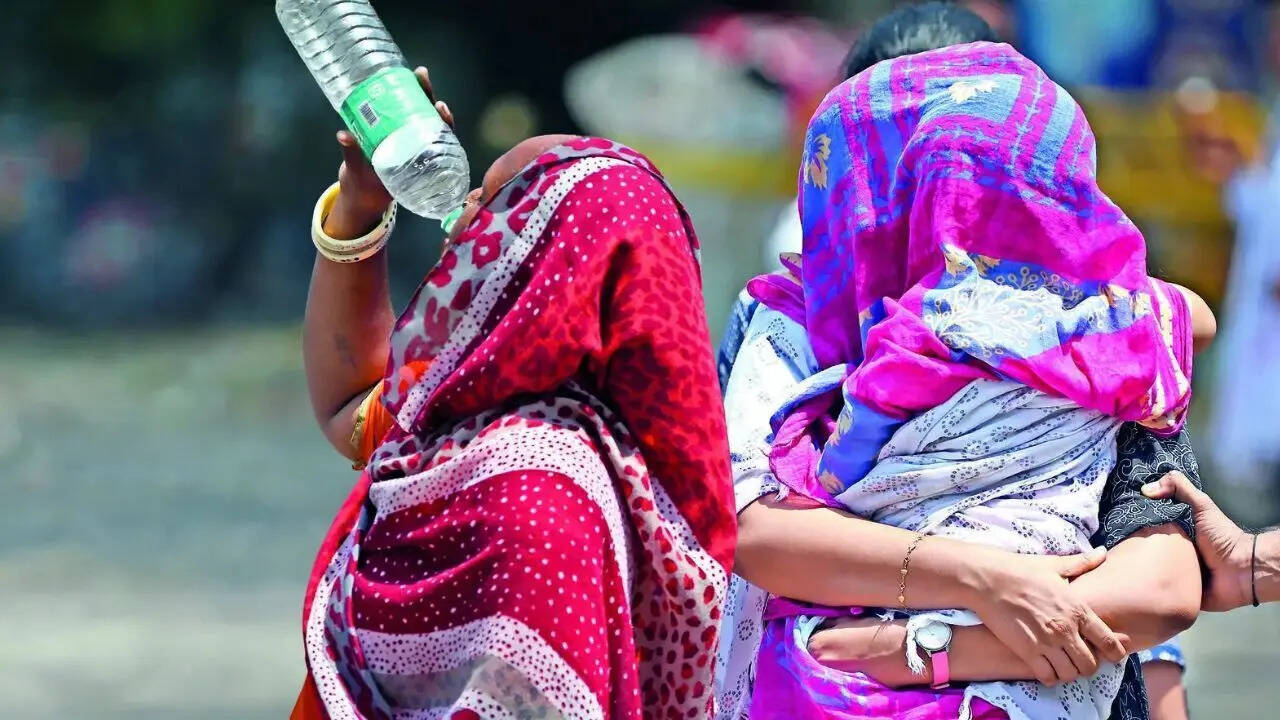
As monsoon delays leave the capital gasping, a lethal combination of humidity and record-breaking night temperatures is turning Delhi into a pressure cooker.
The air in Delhi didn’t just feel hot this Sunday; it felt heavy, stagnant, and physically oppressive. By 5:30 pm, while the mercury at the Safdarjung observatory hit a sharp 41.8°C, the "feels-like" temperature—the heat index factoring in stifling humidity—soared past 50°C. For a city waiting for the monsoon to break this relentless heatwave, the lack of rain has transformed the capital into a giant kiln where even the cover of darkness offers no escape.
A City Without Respite
The real crisis isn’t just the daytime peak; it’s the refusal of the city to cool down after sunset. Sunday night saw the minimum temperature settle at 31.1°C, the highest recorded for June in two years. This trend of "warmer nights" is increasingly becoming a scientific reality across India, as confirmed by climate research. When the heat doesn’t dissipate at night, the body’s ability to recover from daytime heat stress is compromised, leading to a dangerous accumulation of thermal strain that puts vulnerable populations at serious risk of exhaustion and health emergencies.
The data underscores a grim pattern. With humidity levels oscillating between 37% and 70%, the heat index remained trapped in the "lethal" category. While the official heatwave declaration—triggered by temperatures 4.5 notches above normal—is a technical metric for the weather bureau, for those commuting or working outdoors, it meant navigating a 50-degree reality for several consecutive days.
The Monsoon Mirage
The monsoon, which typically touches the capital around June 27, has been noticeably absent. While the India Meteorological Department (IMD) has placed a yellow alert for rain and gusty winds over the next two days, the relief is expected to be gradual. Forecasters suggest that while temperatures may hover between 40-42°C on Monday, a dip is likely as the week progresses, potentially pulling the maximum down to 35°C by July 3. However, until the rains arrive, the heat stress remains a constant, looming threat.
Why it matters
The shrinking gap between daytime peaks and nighttime lows is perhaps the most concerning shift in our local climate. Historically, the night served as a cooling buffer; today, that buffer is failing. This isn't just about a particularly bad summer; it reflects a broader global trajectory where heat stress is rising faster than raw temperature readings. For policymakers, this necessitates a shift in urban planning—moving beyond just "heatwave management" to building infrastructure that can handle sustained, 24-hour thermal loads. If the capital’s resilience is to survive, the focus must shift from reactive alerts to long-term heat-mitigation strategies that protect the city's most vulnerable during these increasingly frequent, prolonged heat events.
Arjun Mehta reports on government, policy and Parliament for PoliticalPedia, in English and Hindi.