From Border Tensions to Civic Crisis: A Snapshot of India’s News Landscape
India News LIVE Updates, 29 June 2026: India Slams Pakistan Over ‘Baseless’ Karachi Attack Claims, US-Iran Agree To Halt Attacks Ahead Of Doha Talks, Kerala Family Found Dead In River
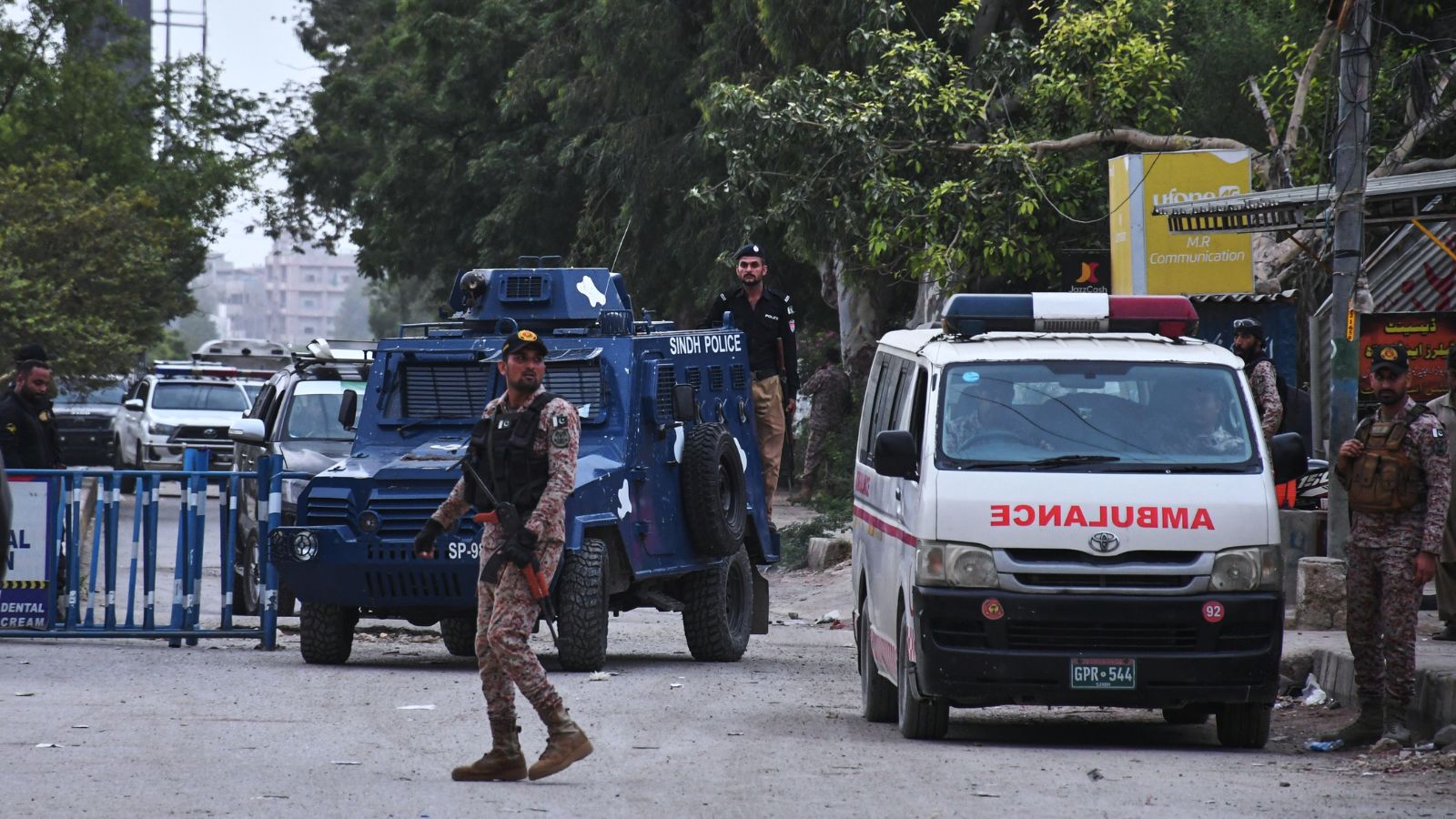
As June 2026 comes to a close, a mix of geopolitical friction, tragic domestic loss, and ambitious urban restructuring defines the national discourse.
The final week of June 2026 has been marked by a flurry of activity, leaving many to track the month’s end through the lens of shifting headlines rather than just a stagnant June 2026 calendar. India’s diplomatic machinery is currently occupied with a sharp rebuttal against Islamabad, as New Delhi dismissed recent Karachi attack claims as entirely baseless. The Ministry of External Affairs has advised Pakistan to look inwards rather than pointing fingers, a retort that underscores the hardening of bilateral relations as both nations trade barbs over regional security.
Global De-escalation and Domestic Tragedy
Beyond the subcontinent, a sense of cautious optimism has emerged on the international stage. The United States and Iran have reportedly agreed to halt attacks ahead of critical talks in Doha. This development offers a much-needed reprieve for the Hormuz region, which had been pushed to the edge by a series of aggressive tanker strikes. However, while global powers seek stability, the domestic front has been rocked by tragedy in Kerala. The discovery of a family of four in a river—following their eviction—has cast a grim shadow over the country, sparking difficult conversations about the systemic pressures of poverty and the gaps in our social safety nets.
Modernizing Defense and Urban Infrastructure
Structural shifts are also underway across different sectors. The Indian Army is preparing to operationalize its first Integrated Battle Groups next month. This move represents a pivot toward more agile, theatre-specific combat formations, signaling a major evolution in how India plans to project force. Simultaneously, the capital is looking at a massive technological overhaul. A 23-page blueprint outlines Delhi’s 25-year plan to modernize its firefighting capabilities, moving away from reactive measures toward a system driven by AI-based dispatch, drone surveillance, and a massive expansion of fire station infrastructure to accommodate the city’s rapid, often unplanned growth.
The Human Cost of Neglect
Underneath these macro-level shifts lie troubling reports from the healthcare sector. A recent investigation into an illegal fertility racket in Maharashtra has revealed that scores of women have been left with severe, lasting health complications due to the unregulated trade in donor eggs. This expose highlights a dangerous vacuum in clinic oversight, where profit margins have consistently bypassed patient safety and regulatory compliance.
Why it matters
The common thread running through these updates—from the geopolitical maneuvering in Doha to the tragic loss of a vulnerable family in Kerala—is the struggle for control. Whether it is the state attempting to manage the unpredictability of urban expansion through AI, or the military refining its combat posture for a more volatile neighborhood, the objective remains the same: stability in an era of rapid transition. However, the recurring failures in public health and social welfare suggest that while our technological and military ambitions are scaling up, the basic protections for the individual citizen often remain dangerously thin.
Kabir Sharma writes on culture, technology and everyday life for PoliticalPedia.