Delhi’s Green Lungs at Risk: High Court Questions Centre’s Plan to Take Over Club Lands
Delhi High Court raises concern over Centre plan to take over ‘green spaces’ in Gymkhana, Jaipur Polo Ground
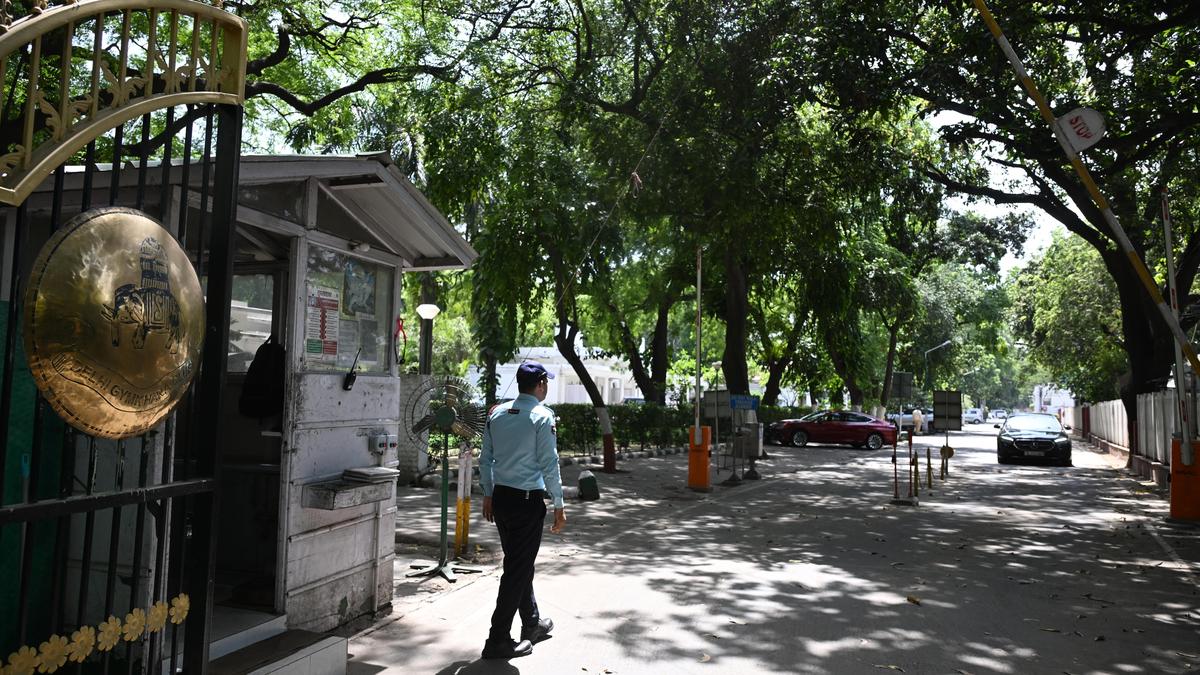
Justice Neena Bansal Krishna warns that replacing heritage green spaces with government infrastructure could leave the national capital gaspering for air.
The sprawling, manicured lawns of Lutyens’ Delhi, long considered the city's lungs, are at the centre of a fierce legal battle. On Monday, the Delhi High Court pulled up the Centre over its push to reclaim prime properties—including the Delhi Gymkhana Club, the Delhi Race Club, and the iconic Jaipur Polo Ground—for government use. The court’s intervention follows an eviction notice served on May 2 to the Indian Polo Association, sparking an urgent debate over whether the capital’s limited remaining open spaces are being traded for concrete.
Justice Neena Bansal Krishna expressed sharp disapproval of the proposed takeover, painting a grim picture of the city’s environmental future. "Delhi will suffocate," the court remarked during the hearing. "Whatever little breather we have in the NDMC area is going to go. We will all suffocate and die." The bench pointedly asked the Centre to clarify its intentions for the heritage structures within these premises, questioning if the land was being cleared merely to make way for high-rise construction.
The Centre, defending its position, argued that the land is essential for public and defence purposes. Government counsel maintained that space in central Delhi is at a premium, and that the area is required to carry out critical administrative functions. This clash highlights the tension between the capital’s growing demand for central office space and the desperate need to preserve its dwindling green cover against the pressures of rapid urban development.
The Indian Polo Association had previously moved the Patiala House court under the Public Premises (Eviction of Unauthorised Occupants) Act to challenge the eviction. However, with the trial court yet to decide on a plea for interim protection, the matter reached the High Court. The High Court has now disposed of the writ petition, directing the lower court to hear and decide on the stay request by June 10.
The Bigger Picture: A City at a Crossroads
This dispute is emblematic of a broader struggle in Delhi: the fight for "breathing space" in a rapidly densifying metropolis. As the government seeks to consolidate its footprint in Lutyens’ Delhi, the encroachment on historic clubs and open grounds creates a ripple effect. Once these heritage green zones are converted into government offices or high-rises, they are lost to the public permanently.
For urban planners, the concern isn't just about the loss of exclusive sporting venues; it is about the city’s microclimate. Delhi already battles severe air quality issues, and the systematic removal of large, permeable green patches in the heart of the capital could exacerbate heat-island effects and further degrade local air quality. The court’s intervention signals a growing judicial impatience with the narrative that urban expansion must come at the cost of the city's environment. Moving forward, the case will likely force the Centre to present a more transparent master plan for these heritage sites, rather than viewing them as mere land banks.
Rohan Gupta covers the economy, markets and companies for PoliticalPedia.