Delhi HC Closes Vinesh Phogat’s Plea on Asian Games Trials, Directs WFI to Resolve Pending Show-Cause
Vinesh Phogat Asian Games trials case: Delhi HC disposes wrestler's plea
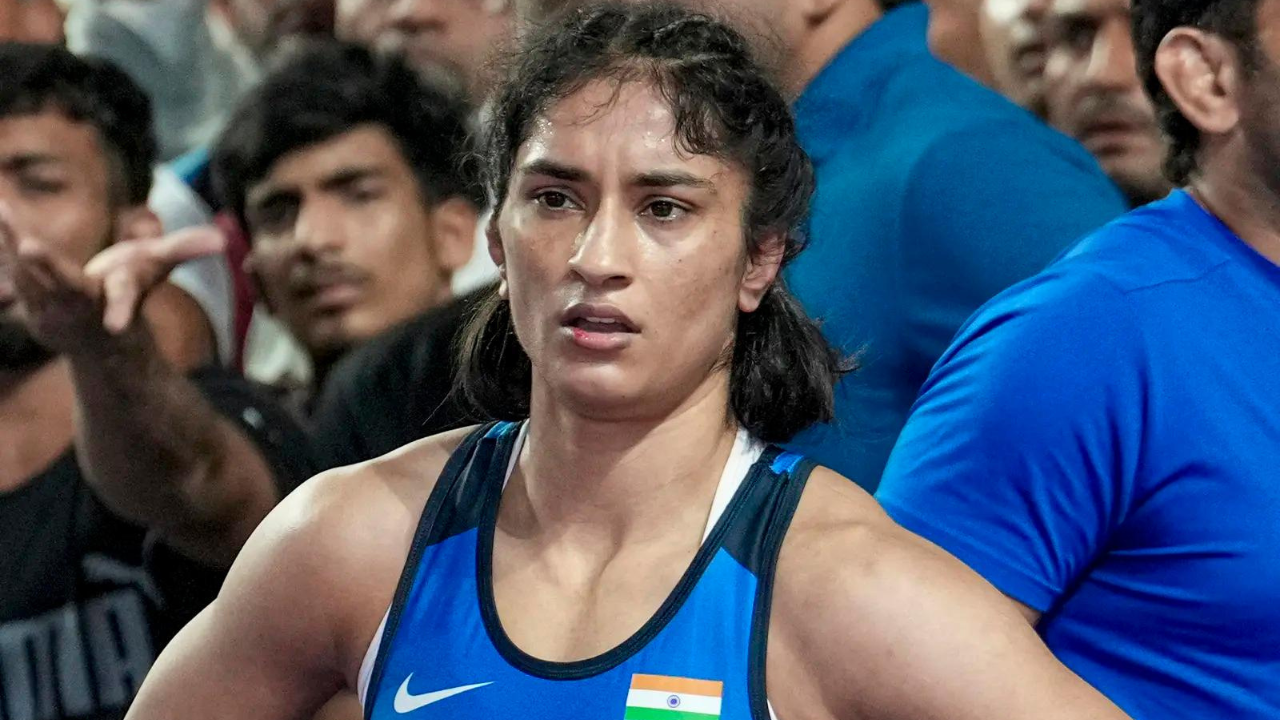
The court ruled the petition moot after the wrestler's participation in trials, while pushing the federation to settle ongoing disciplinary disputes within a fortnight.
The legal battle that defined Vinesh Phogat’s road to the Asian Games has reached a procedural end in the national capital. On Monday, the Delhi HC disposed of the petition filed by the three-time Olympian, observing that her primary grievance—her initial exclusion from selection trials—had become "infructuous" since she had already participated in the event following earlier judicial interventions.
Justice Swarana Kanta Sharma noted that because the petitioner had effectively received the relief she sought regarding her eligibility to compete, there was little left for the court to adjudicate on that specific front. However, the bench stopped short of closing the chapter entirely. The court directed the Wrestling Federation of India (WFI) to reach a final decision on a pending show-cause notice issued to Phogat on May 9, setting a strict two-week deadline for the federation to report back.
A Struggle Over Selection Policy
The case began when Phogat challenged a WFI circular that restricted Asian Games trials to specific categories of domestic medal winners. The wrestler argued that such criteria were discriminatory, particularly for athletes returning from maternity-related breaks and long recovery periods. Her participation in the trials was only made possible after she knocked on the doors of the Supreme Court and the high court, both of which provided interim relief despite cautioning against over-interference in sports administration.
Following the court's nod, Phogat entered the 53 kg category trials in May. However, her campaign ended in the semifinals after a loss to Meenakshi. While her counsel urged the court to look into the wider implications of the federation’s restrictive selection policies, the bench advised that such structural grievances would require a fresh, independent petition to be heard properly.
The Pending Show-Cause Notice
While the eligibility dispute is resolved, the WFI’s show-cause notice remains a looming shadow. The federation’s May 9 notice cites a range of serious administrative issues, including alleged indiscipline, failures in anti-doping whereabouts reporting, and concerns regarding her switching weight categories. The high court’s directive ensures that the federation cannot leave these allegations in limbo indefinitely. The WFI has given an assurance that Phogat will be granted a formal personal hearing before they arrive at a final determination.
Why It Matters
This case highlights the persistent friction between India’s top-tier athletes and the administrative bodies tasked with governing them. It underscores a growing trend where elite players are increasingly willing to challenge traditional selection hierarchies through the judiciary. For the sports establishment, the takeaway is clear: opaque or inflexible criteria are no longer shielded from public scrutiny. As the court pushes for a definitive resolution on the WFI’s disciplinary notice, the focus now shifts back to whether the federation can balance athlete welfare with the rigid protocols of sports governance.
Ananya Iyer covers global affairs with an Indian lens for PoliticalPedia.