Delhi Court Defines Decade of Neglect as Economic Abuse, Orders Maintenance for Minor
Delhi court flags economic abuse as man pays no child support for 10 years, orders maintenance
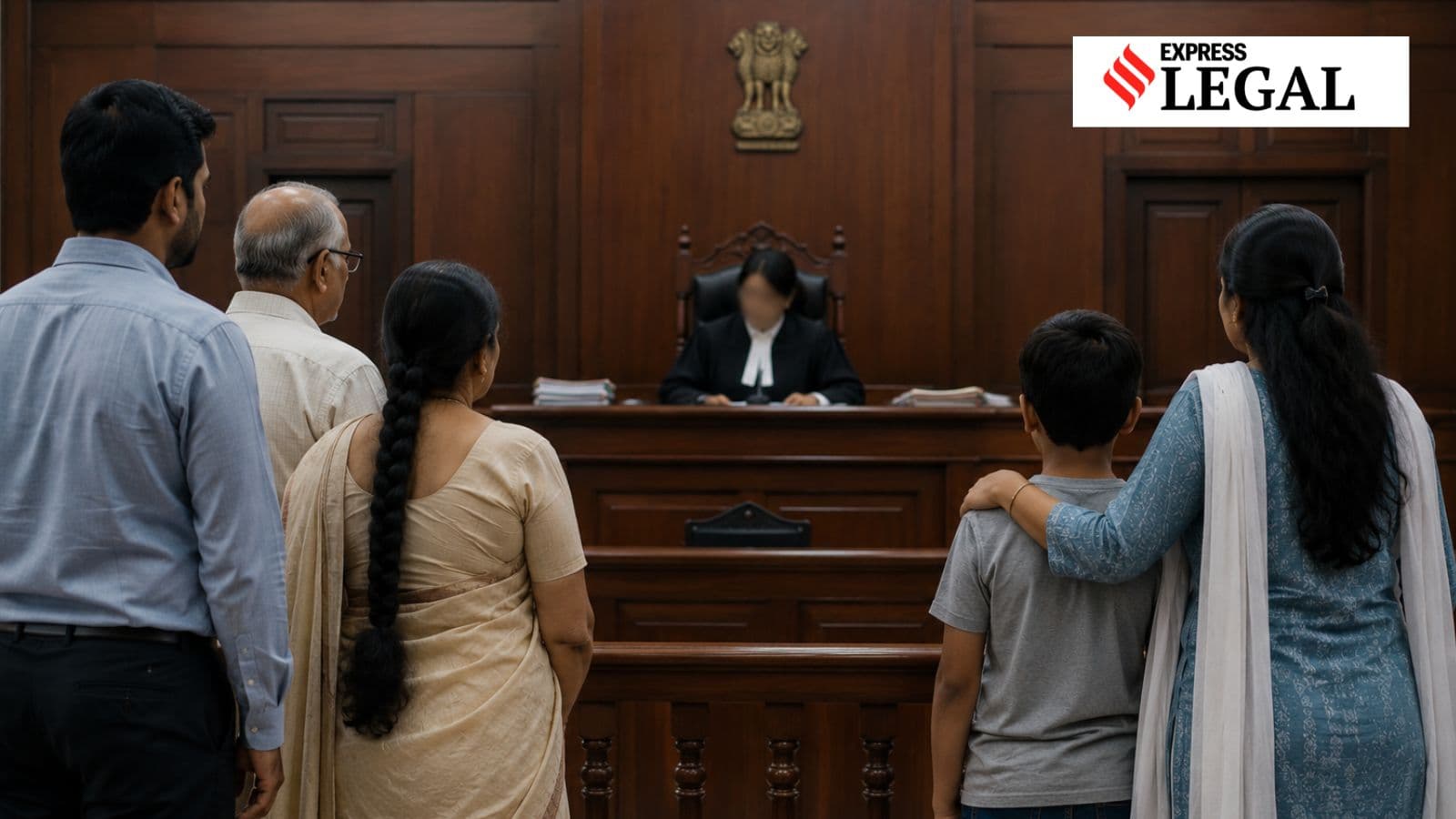
A Saket court has ruled that unemployment claims cannot be used by a husband to evade the legal obligation of providing child support.
A Delhi court has issued a stern reminder regarding the legal responsibilities of parents, declaring that a decade of failing to provide for a child constitutes a form of economic abuse. Additional Sessions Judge Sheetal Chaudhary Pradhan, presiding at the Saket Court, recently overturned a lower court's decision, mandating that a husband pay Rs 6,000 per month for the upbringing of his minor child. The judgment underscores a critical judicial stance: a father cannot plead joblessness to shirk his duty when he is an able-bodied individual.
The legal battle began when the wife challenged a September 2025 trial court order that had dismissed her complaint filed under the Protection of Women from Domestic Violence Act, 2005. During the appeal, the court noted that the minor child had been residing solely with the mother since 2015 without any financial support from the father. By failing to contribute to the child's basic needs for ten years, the court held that the husband had effectively engaged in economic abuse.
The Myth of 'Capability' vs. Actual Earnings
A central pillar of the husband's defense was the claim that his wife was educated and, therefore, capable of earning her own living. The court firmly rejected this argument, clarifying that there is a distinct legal difference between the potential to earn and actual financial status. Judge Pradhan emphasized that educational qualifications cannot be weaponized to deny maintenance, especially when the wife is currently unemployed and dedicated to the full-time care of their minor son.
Regarding the husband’s own financial situation, the court found his defense lacking. While he cited unemployment and the burden of supporting his own mother as reasons for his failure to pay, he failed to submit any formal financial documents or income affidavits to substantiate these claims. The court noted that in the absence of evidence, an able-bodied man is expected to manage his expenses to ensure he meets his legal obligations toward his wife and child.
Preventing Destitution
The ruling serves as a broader reminder of the intent behind maintenance laws in India. The court reiterated that such provisions are designed specifically to prevent the vagrancy and destitution of aggrieved women and children. By ignoring the financial realities—including the school fees and daily expenses of the child, which the mother estimated between Rs 20,000 and Rs 30,000—the trial court had failed to account for the essential needs of the minor.
This decision clarifies that the responsibility to maintain a legally wedded partner and a minor child is an absolute obligation. As the case moves forward, the order ensures that the child will receive support until reaching the age of majority. For many, this case highlights a growing judicial trend of holding spouses accountable for domestic financial negligence, ensuring that personal excuses do not override statutory requirements for family support.
The PoliticalPedia Editorial Desk brings verified, sourced political news and analysis from across India.