Decoding Global Diplomacy: International Relations MCQs for UPSC Essentials Week 165
UPSC Essentials daily subject quiz : International Relations MCQs (Week 165) — Check out answers with explanations
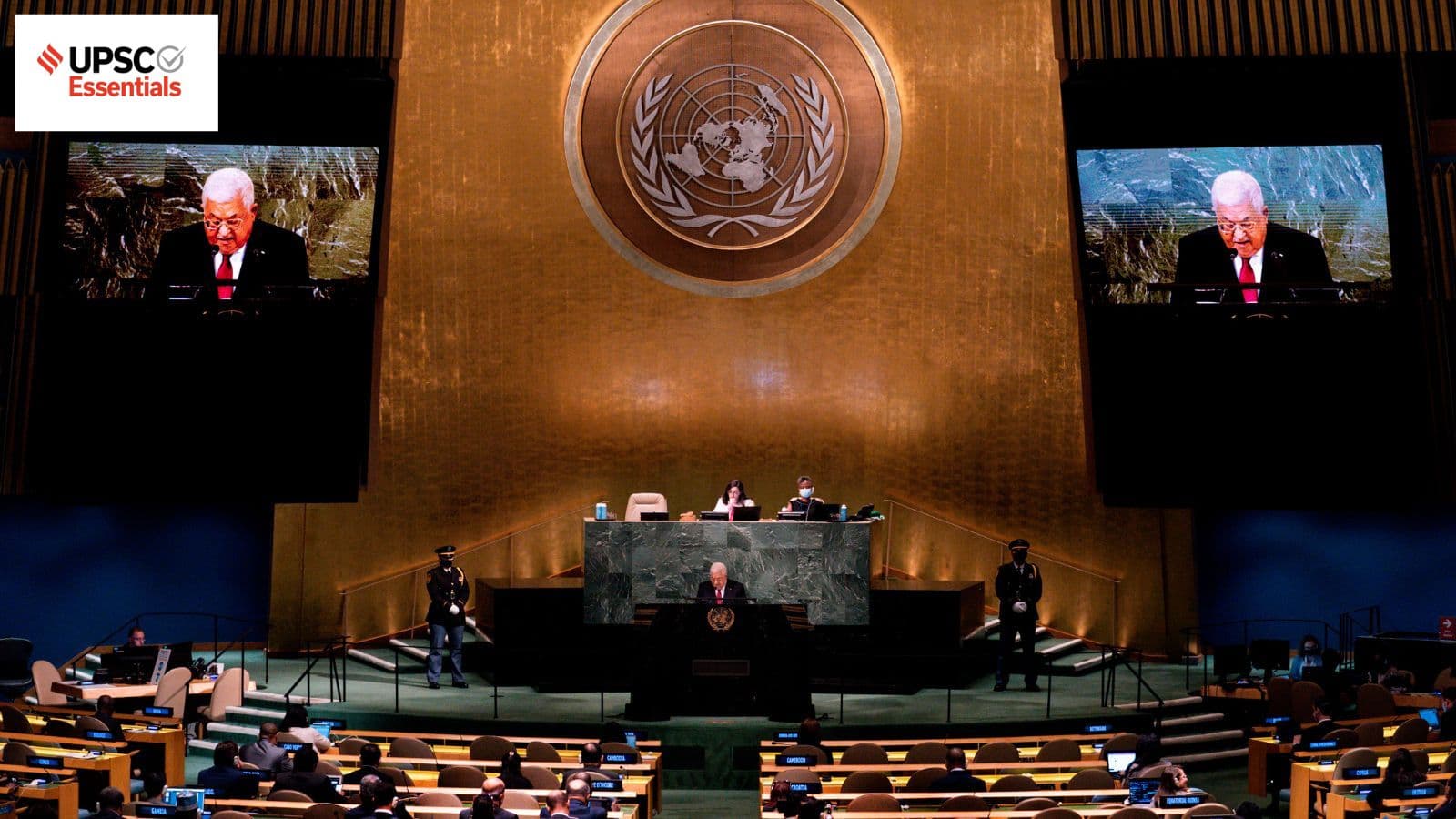
As the UPSC calendar intensifies, mastering the structural nuances of bodies like the UNGA and strategic groupings like the Quad is essential for aspirants aiming to crack the upcoming Prelims.
The landscape of international diplomacy is shifting, and for candidates preparing for the civil services, staying updated on the functioning of global institutions is no longer optional. As part of this week's UPSC Essentials, we turn our focus to the mechanics of the United Nations and the strategic architecture of the Quadrilateral Security Dialogue (Quad). These international relations MCQs serve as a litmus test for understanding the power dynamics that define our current geopolitical era.
The UNGA Presidency: A Contested Mandate
A significant development at the United Nations has brought the role of the General Assembly presidency into the spotlight. Bangladesh Foreign Minister Khalilur Rahman has been elected the 81st president of the UNGA, marking a rare instance where the position was decided by a contested vote against Cyprus Ambassador Andreas Kakouris. This selection is particularly noteworthy as it precedes the upcoming transition for the UN Secretary-General role, with António Guterres’s term concluding in 2026.
For UPSC aspirants, the distinction between the UNGA president’s authority and the Security Council’s functions remains a critical area of study. The president of the general assembly is tasked with overseeing the sessions of the 193-member body and remains a pivotal figure in guiding discussions on development, global diplomacy, and conflict resolution. While many might assume the president is elected by the UN Security Council, the reality is that the office is traditionally decided by consensus or acclamation. A contested election, such as this one or the 2016 race involving Fijian diplomat Peter Thomson, remains a rarity in UN practice.
Evaluating the Quad’s Strategic Framework
Beyond the UN, the Indian strategic perspective is increasingly shaped by groupings like the Quad. Unlike established multilateral organizations, the Quad operates without a New York-based secretariat, functioning instead as a flexible, issue-based partnership. A common pitfall in exam preparation is conflating the Quad with formal security alliances; it is important to note that, unlike NATO, the Quad lacks provisions for collective defense.
Understanding these groupings requires stripping away historical misconceptions. For instance, the Quad is not a product of the 1991 Indian economic crisis, but rather a more recent evolution in Indo-Pacific maritime and security cooperation. When evaluating these topics, candidates must look for the correct legislative and administrative nuances that separate informal strategic dialogue from formal treaty-based organizations.
Why These Topics Matter
The relevance of these MCQs extends beyond simple memory recall. The UPSC frequently tests the structure, powers, and functioning of major UN organs because these institutions are the primary venues for current affairs that shape global policy. By parsing through these express analysis-style questions, students can refine their ability to navigate complex international relations syllabi. Whether it is the election process of UN leadership or the institutional limitations of regional groupings, these details are the building blocks of a comprehensive mains and prelims strategy.
The PoliticalPedia Editorial Desk brings verified, sourced political news and analysis from across India.