Commercial LPG Supply Curbs Lifted: What It Means for Your Household Budget
LPG, PNG prices June 26, 2026: Centre lifts all curbs on commercial LPG, check domestic, commercial cylinder rates in Delhi, Mumbai, Chennai, other cities
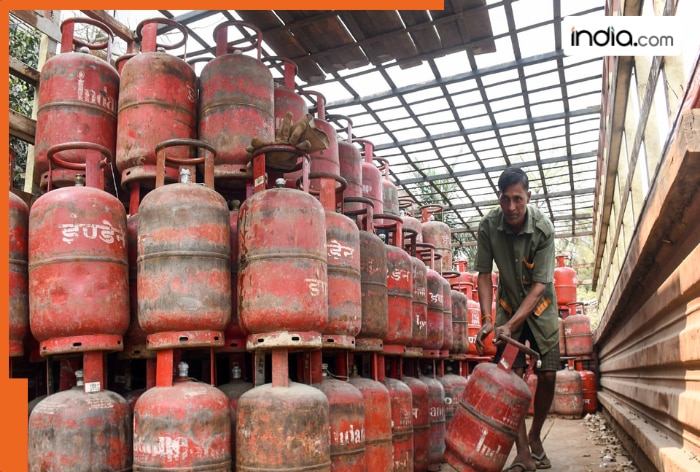
As geopolitical tensions in West Asia show signs of cooling, the government has removed all restrictions on the sale of 19kg commercial cylinders effective immediately.
The air in the national capital feels a little lighter today, and for once, the news from the global energy markets is providing some much-needed breathing room. The Ministry of Petroleum and Natural Gas has officially withdrawn all restrictions on the supply of commercial LPG cylinders, a move that comes on the back of positive developments in the West Asia crisis. With the US and Iran reportedly closing in on a peace deal, the immediate supply-side pressures that necessitated these curbs have started to dissipate.
For the restaurant owner in Mumbai or the small cafe operator in Chennai, this is a major relief. The supply chain for 19kg cylinders—which had been under strict monitoring during the height of the recent geopolitical volatility—is now back to business as usual. While domestic LPG, PNG, and CNG prices remain steady across the country as of June 26, the restoration of commercial supply stability is the real headline for the hospitality and MSME sectors.
Current Market Snapshot
Across major metros, prices for domestic and commercial LPG cylinders have remained stable following the government’s announcement. In Delhi, a domestic cylinder is priced at ₹942, while the 19kg commercial variant stands at ₹3,113.50. Mumbai consumers are seeing domestic rates of ₹941.50, with commercial cylinders at ₹3,067.50.
In Chennai, residents are paying ₹957.50 for domestic use and ₹3,283.50 for commercial supply. PNG rates have also held firm, with Delhi at ₹49.59 per SCM and Mumbai at ₹51.50 per SCM. Whether you are checking rates for your home or business, the consistency across the board suggests that the market is currently in a "wait and watch" mode as international oil prices react to the thawing diplomatic situation.
Why it matters: The Bigger Picture
This decision is more than just a bureaucratic notification; it is a clear indicator of how closely India’s domestic inflation and energy costs are tethered to the volatile politics of West Asia. For months, the government had to manage limited stocks to prevent hoarding and price gouging during the supply crunch. By lifting these curbs, the Centre is signaling confidence that the worst of the fuel supply uncertainty is behind us.
The stability in prices, despite the previous supply bottlenecks, suggests that the government’s strategic reserves and diplomatic interventions were effective. However, the reliance on external peace deals to keep our kitchen and commercial fuel bills in check remains the primary vulnerability for the Indian economy. As we move into the next quarter, the focus will shift from "crisis management" to whether these stable price levels can be sustained if global energy demands spike again.
Ananya Iyer covers global affairs with an Indian lens for PoliticalPedia.