Hormuz Tensions Ease as Qatari Crude Returns to Asian Markets
Qatar crude enters Asian market again as Hormuz gets back to business
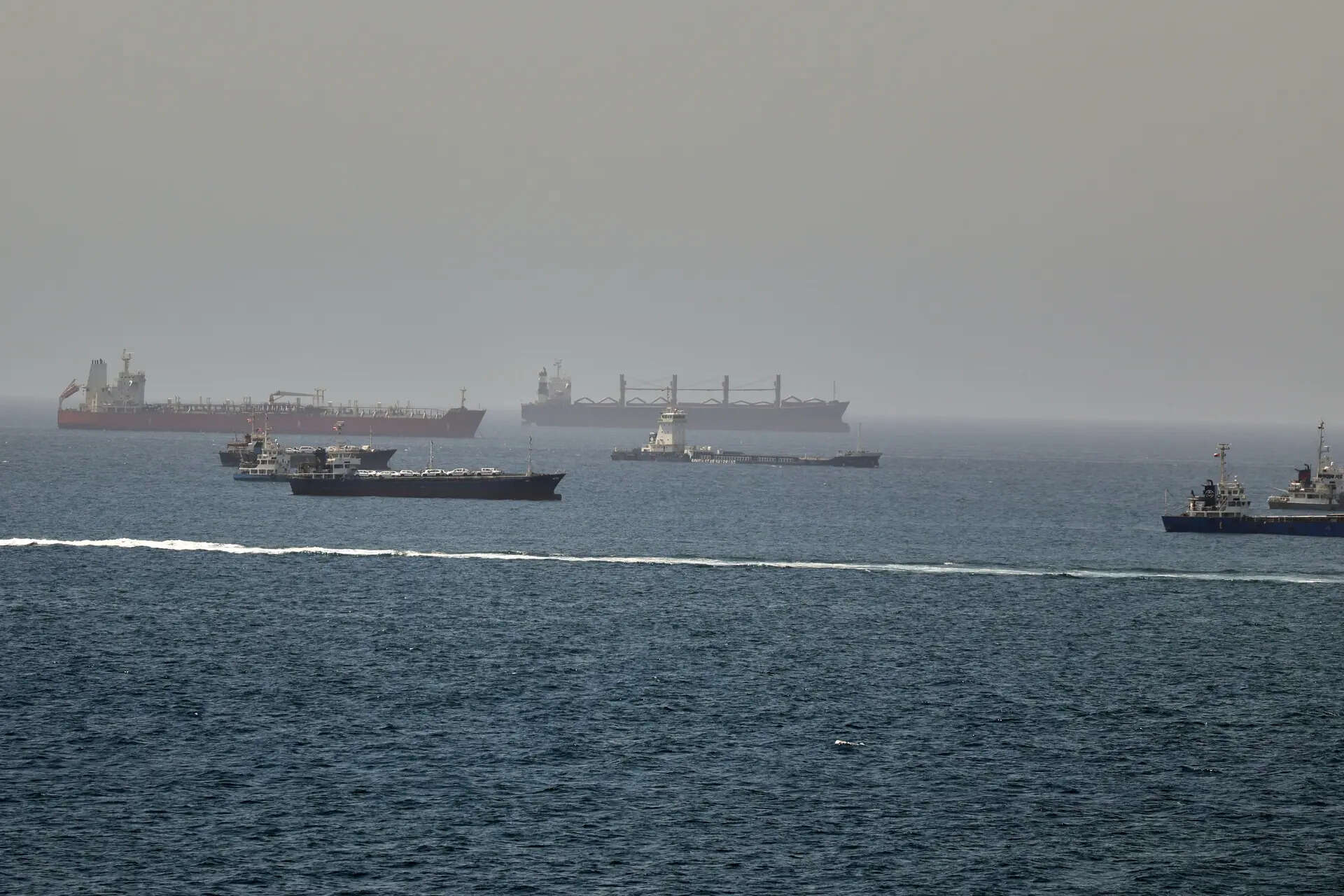
The Strait of Hormuz is showing early signs of life as tankers resume transit, offering a much-needed lifeline to energy-hungry Asian economies.
The silent, tense waters of the Strait of Hormuz are finally seeing movement again. After months of being effectively choked off by the conflict between the US and Iran, the world’s most critical energy corridor is tentatively reopening. This week, we saw the first concrete signs of a shift: Qatari crude, which had been locked away during the height of the war, is making its way back to Asian refiners. The Greek-owned supertanker Kiku recently entered the Persian Gulf to load 2 million barrels of Al-Shaheen grade, a clear signal that the logistical paralysis is starting to thaw.
For Asian markets, this restart is critical. Traders confirmed that volumes of Qatari crude have been sold to Taiwan’s Formosa Petrochemical Corp and an Indian refiner—the first such observed transactions since the war began. It isn't just the oil moving; empty LNG carriers are steaming back into the Gulf, a high-stakes gamble by QatarEnergy that the maritime corridor is secure enough to resume the export chain. This flurry of activity follows an interim agreement between the US and Iran, aiming to restore traffic levels to their pre-conflict state within the next month.
The Reality of the Reopening
Despite the optimism, the industry remains guarded. Shipping companies and insurers are still wary of the long-term security environment. While supertankers are braving the transit, there is no official consensus on mine clearance or traffic management. For vessel owners, stability is the only currency that matters; until there is a guarantee of safe passage, the flow of crude and LNG will remain a fraction of what it was before the crisis.
The economic fallout of the blockade has been severe. At the peak of the tension, Brent crude prices surged, and many Asian buyers were forced to scramble for alternative, costlier sources. Now, as supply lines start to clear, the market is bracing for a shift. Some traders report that the sudden flood of Middle Eastern cargo is already putting downward pressure on prices, turning the market’s previous panic-buying mode on its head.
Why It Matters
The return of Qatari exports through the Strait of Hormuz is more than a commercial rebound; it is a barometer for regional stability. For India and its Asian neighbors, energy security is inextricably linked to the volatility of this narrow waterway. While the US-Iran diplomatic thaw is the immediate catalyst, the bigger picture remains fragile. If the reopening holds, we could see a cooling of global energy prices, providing relief to import-dependent economies. However, the reliance on this single chokepoint has left a lasting impression on energy planners, who are now more determined than ever to diversify their supply chains away from the Gulf’s geopolitical hotspots.
The coming weeks will be the true test. If the tankers continue to broadcast their crossings and the regional peace holds, the "energy chaos" that defined the last quarter may finally subside. Yet, as with all diplomacy in this part of the world, the transition from conflict to normalcy is rarely a straight line. For now, the ships are moving, and that is a start.
Priya Nair covers parties, elections and the business of power for PoliticalPedia.