Cockroach Janta Party Founder Abhijeet Dipke Lands in Delhi as Jantar Mantar Protest Gets Green Light
Cockroach Janta Party gets permission for Jantar Mantar protest as Abhijeet Dipke lands in Delhi
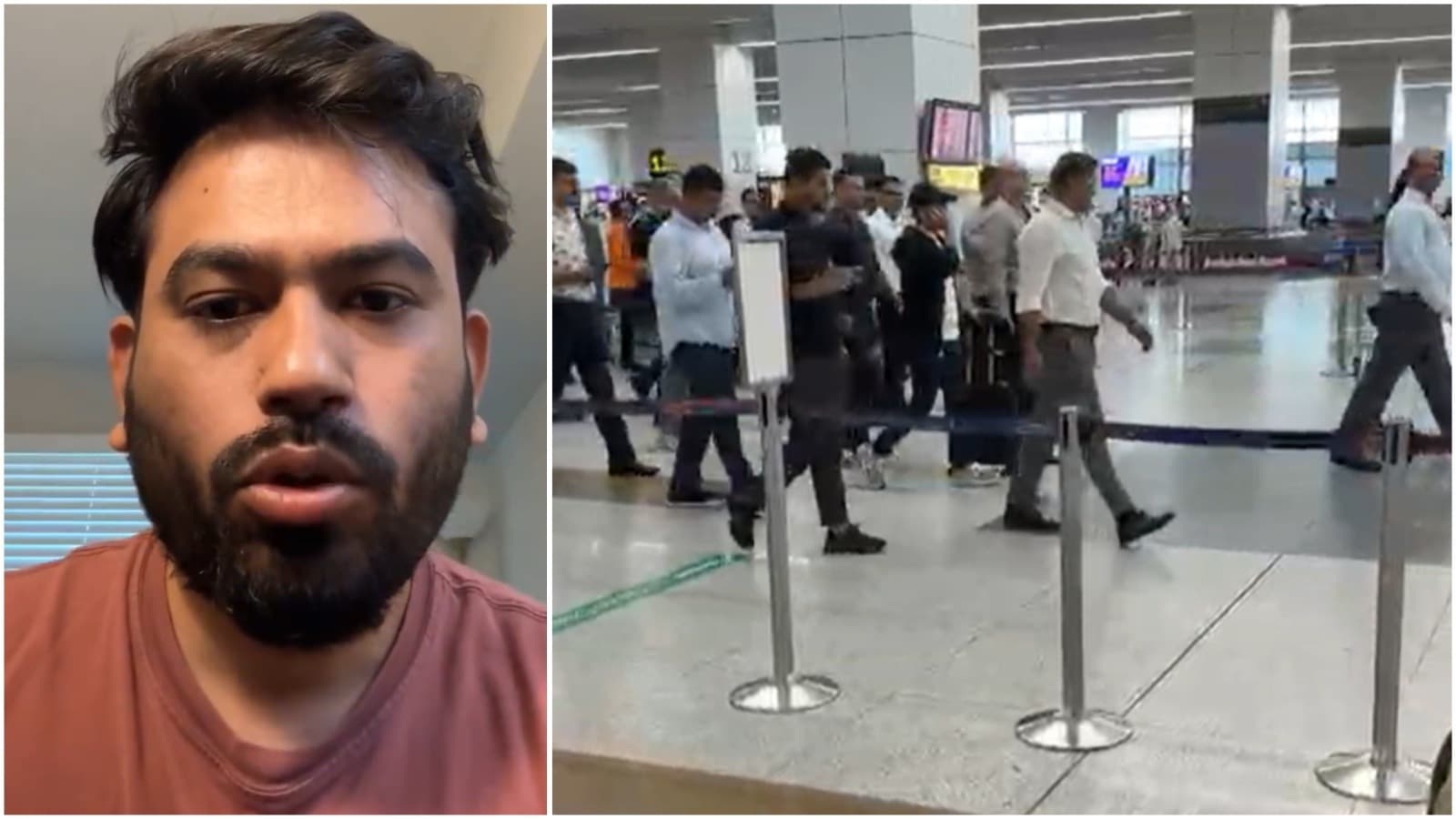
The digital-first movement transitions to the streets of the national capital as its founder secures official permission to rally against examination irregularities.
The Cockroach Janta Party (CJP) is poised for its most significant real-world challenge today as its founder, Abhijeet Dipke, arrives in Delhi to lead a high-stakes protest at Jantar Mantar. What began as a satirical social media phenomenon has quickly evolved into a focused youth-led movement, with thousands of supporters expected to converge on the city. The demonstration centers on a demand for the resignation of Union Education Minister Dharmendra Pradhan, citing systemic lapses in major national examinations such as NEET-UG, CUET, and SSC GD.
The atmosphere surrounding the event shifted significantly early Saturday morning. While Delhi Police had previously maintained that no formal application for the agitation had been filed, Dipke confirmed shortly after landing at Indira Gandhi International Airport that official permission for the gathering at Jantar Mantar had been granted. Senior police officials reportedly met with the CJP founder at the airport, facilitating a direct transition from the transit hub to the protest site and successfully de-escalating potential tension at the Parliament Street Police Station.
From Digital Satire to Physical Mobilisation
The journey of the Cockroach Janta Party reflects the growing influence of Gen-Z digital activism in Indian politics. Initially gaining traction through viral internet content, the group has spent the week formalizing its structure, appointing spokespersons like Saurav Das, Vijeta Dahiya, and Ashutosh Ranka to manage the logistics of their first major on-ground mobilization. The group has actively encouraged its followers to move beyond online commentary, framing the protest as a critical turning point for educational accountability.
The arrival of Dipke was not without its moments of uncertainty. Early reports from the ground suggested that the founder had been briefly taken to an undisclosed location by security personnel following immigration clearance, sparking concern among his followers. However, these anxieties were short-lived as Dipke successfully exited the airport, reinforcing his call for a disciplined and non-violent demonstration.
A Call for Compassion and Order
In a direct appeal to his supporters, Dipke emphasized that the movement must remain grounded in constitutional principles. He urged participants to carry national flags and books, specifically instructing them to offer flowers to law enforcement officers as a gesture of gratitude and peace. This emphasis on "love and peace" appears to be a strategic effort to maintain the moral high ground, even as the scale of the protest necessitates a massive security deployment across the capital.
The stakes for the movement remain high. With the backing of various activists—including education reformer Sonam Wangchuk, who had previously indicated his intent to join if ministerial resignations were not forthcoming—the protest serves as a litmus test for whether a digital-first organization can sustain long-term pressure on the Union government. For now, the focus shifts to Jantar Mantar, where the CJP aims to demonstrate that a "tiny joke" can indeed mobilize a persistent, nationwide demand for reform.
The PoliticalPedia Editorial Desk brings verified, sourced political news and analysis from across India.