Citigroup CEO Jane Fraser Affirms India’s Long-Term Growth Prospects Amid High Valuations
India’s long-term growth story intact despite high valuations: Citigroup CEO Jane Fraser
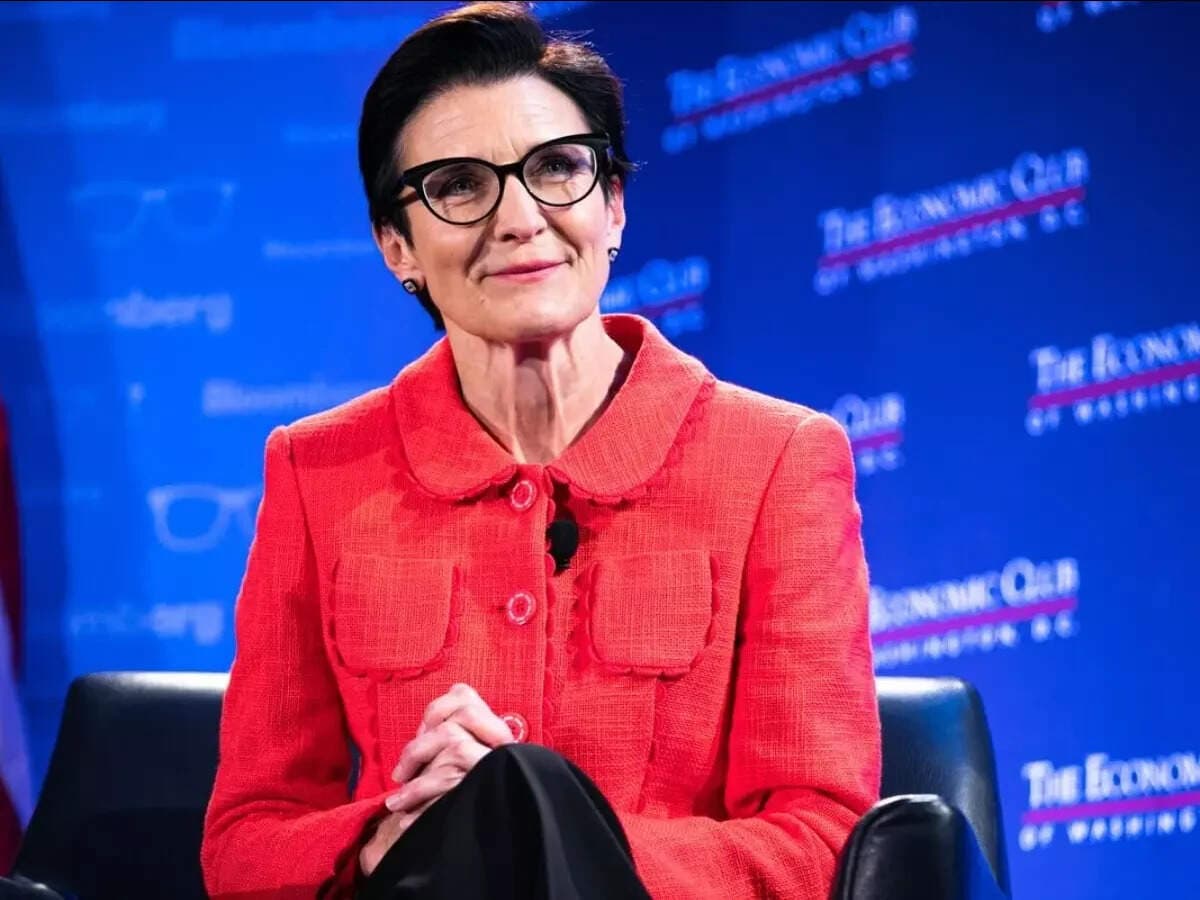
Citigroup CEO Jane Fraser maintains that India’s economic fundamentals remain robust, urging investors to look beyond temporary market volatility and current valuation concerns.
The long-term economic trajectory of India remains firmly on course, according to Citigroup CEO Jane Fraser. Speaking at the Citi India Conference 2026, the global banking leader emphasized that while the nation is navigating a complex international landscape, its underlying structural potential continues to distinguish it as the world’s fastest-growing major economy.
Distinguishing Fundamentals from Valuations
Addressing concerns regarding the current investment climate, Fraser noted that while Indian markets may appear expensive when compared to other global alternatives, these high valuations should not be conflated with the country's economic health. She explained that the current pullback by foreign portfolio investors is largely a tactical pause as market participants reassess monetary policies and geopolitical risks.
"If you think about having your cake and eating it, this cake has been baked by India," Fraser said, highlighting that the country’s core strengths are well-established. While global factors—such as rising oil prices and currency fluctuations—have created headwinds, she stressed that these pressures are not unique to India and do not diminish the nation's broader prospects.
A Multipolar World and Strategic Reforms
Fraser identified the shift toward a multipolar global order as a significant tailwind for the country. During her visit, she met with Prime Minister Narendra Modi to discuss the government’s commitment to ongoing reform agendas and industrial development. She observed that India’s current approach is defined by a willingness to disrupt existing systems to build for the future, rather than merely protecting legacy strengths.
The banking executive also pointed to the nation's rapid digital transformation as a defining factor in its recent evolution. Having witnessed the speed at which digital identity and payment networks were adopted, she noted that these advancements have fundamentally altered the country’s growth trajectory.
Strategic Focus and Emerging Risks
For Citi, the country remains a cornerstone of its international operations. Following the bank's 2022 decision to exit the domestic consumer banking space to focus on corporate, investment, and treasury services, the region now stands as one of the bank’s most significant markets by both client base and employee headcount.
Looking ahead, Fraser highlighted the potential for new technology to drive entrepreneurship beyond major urban hubs. She did, however, sound a note of caution regarding cybersecurity, identifying it as a critical risk factor that must be managed as the digital infrastructure expands. Ultimately, she urged stakeholders to maintain perspective, suggesting that India should avoid "selling itself short" by obsessing over short-term challenges that the rest of the world is grappling with as well.
The PoliticalPedia Editorial Desk brings verified, sourced political news and analysis from across India.