CID Summons Firhad Hakim in Ongoing Signature Forgery Probe
Signature forgery case: CID now questions TMC’s Firhad Hakim
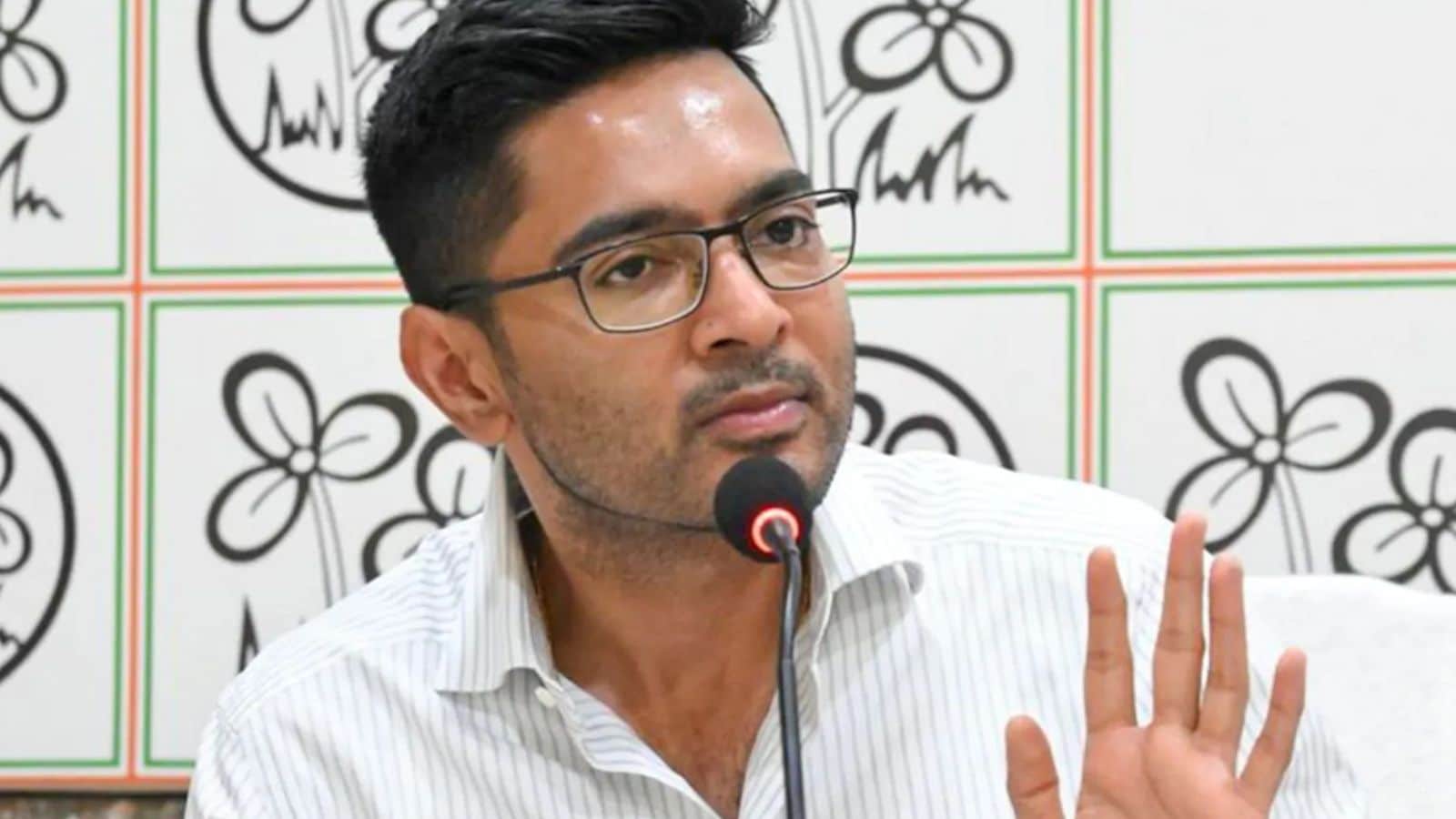
The West Bengal Criminal Investigation Department has initiated questioning of the senior TMC leader regarding allegations of fraudulent document authorization.
The state’s Criminal Investigation Department (CID) has intensified its probe into a high-profile case involving the alleged forgery of a signature, marking a significant development in the ongoing investigation. As part of these efforts, senior Trinamool Congress (TMC) leader and state minister Firhad Hakim has been called in by the agency to face questioning. This move signals a notable escalation in an inquiry that has drawn considerable attention within local political circles.
Investigating Administrative Irregularities
The CID’s interest in the matter centers on allegations of unauthorized signatures on sensitive documents, a charge that carries weight in both legal and administrative spheres. By bringing in a figure as prominent as Hakim, investigators are evidently looking to clarify his involvement or knowledge regarding the chain of custody for the papers in question. The probe aims to determine how the purported forgery occurred and who may have facilitated the act, keeping the focus firmly on potential administrative lapses.
Political Ripples in West Bengal
For observers of Bengal’s political landscape, this development is being viewed through a wider lens. The involvement of a senior TMC minister in a CID inquiry often triggers a flurry of reactions, given the current climate of scrutiny surrounding government officials. Experienced observers note that such cases often test the boundaries between standard administrative oversight and politically motivated investigations. The agency’s ability to conduct a thorough inquiry will likely be under close watch by political rivals and constituents alike.
Contextualizing the Investigation
The current proceedings are consistent with a broader trend of increased scrutiny regarding official document handling in the state. With decades of reporting experience documenting the state’s complex political history, it remains clear that such legal maneuvers are rarely isolated incidents. As the investigation progresses, the CID is expected to weigh the evidence against the statements provided by those summoned. Whether these questioning sessions will lead to further action remains a subject of intense speculation.
Moving Forward
As the CID continues its work, the spotlight remains on the authenticity of the contested signature and the broader implications for the individuals involved. The case highlights the persistent tension within the administrative machinery, where official verification processes are increasingly coming under the scanner. For now, the public and the political establishment await further updates from the agency as they piece together the sequence of events surrounding this document controversy.
The PoliticalPedia Editorial Desk brings verified, sourced political news and analysis from across India.