Champat Rai’s First Response on Ram Temple Donation Theft Row: ‘Will Speak After SIT Report’
Champat Rai's First Response On Ram Temple Donation Theft Row: 'Will Speak After SIT Report'
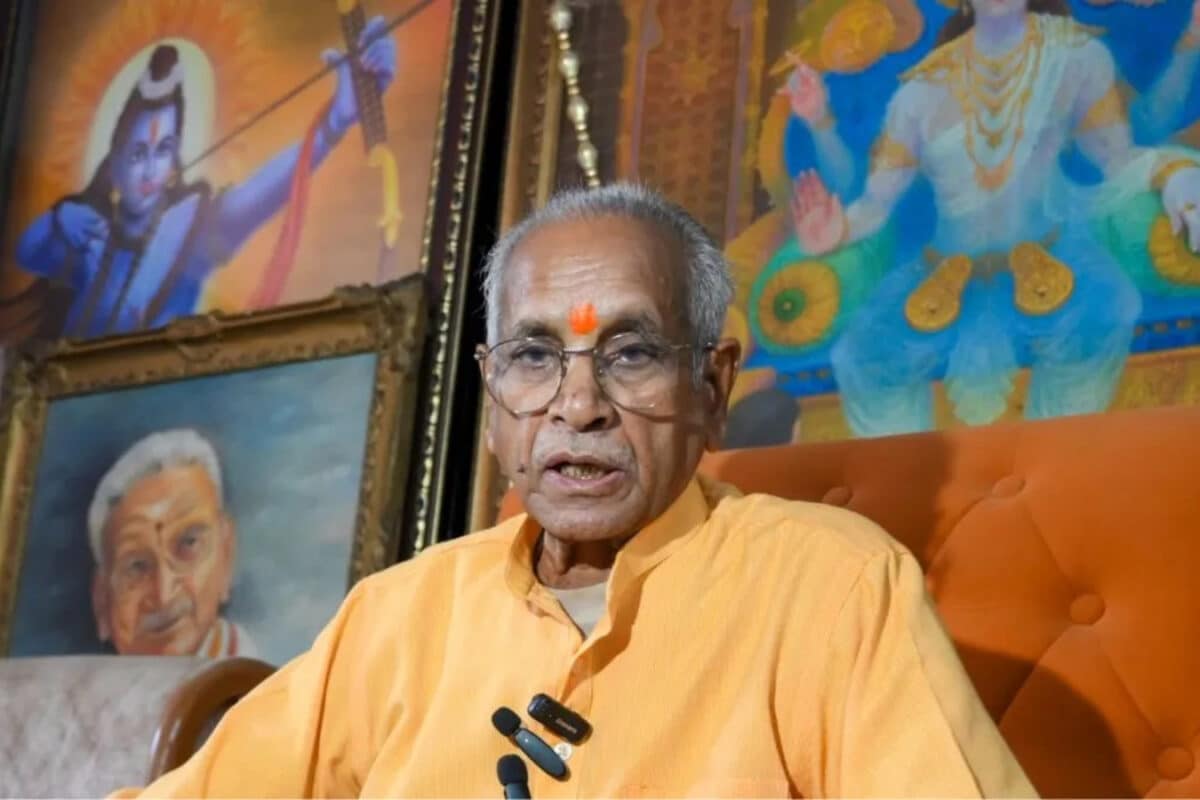
After a month of intense digital speculation and the formal acceptance of his resignation, the former General Secretary breaks his silence.
The atmosphere at the Shri Ram Janmabhoomi Teerth Kshetra Trust has shifted from the solemnity of construction to the grit of a criminal investigation. On Tuesday, Champat Rai—a man who has been a central figure in the Ayodhya movement since 1991—finally addressed the firestorm surrounding the recent temple donation theft row. In a letter penned after a month-long public silence, Rai dismissed the allegations linking him to the mismanagement of temple funds as “baseless,” asserting that he would provide a comprehensive account only once the Special Investigation Team (SIT) submits its final report.
The resignation of Rai, alongside trustee Anil Mishra, came just 24 hours after an emergency high-level meeting of the Trust. The decision to step down was framed as a move taken on "moral grounds" following the emergence of troubling details in the SIT’s preliminary findings. While the opposition has been vocal, demanding accountability and questioning why the leadership was spared from the initial list of accused, the Trust has moved to close ranks. Treasurer Swami Govind Dev Giri has publicly defended Rai’s tenure, characterizing his four decades in public life as a "life of sacrifice."
Inside the Investigation
The scale of the scandal is significant. Reports indicate that the theft of cash from donation boxes, which seemingly peaked during the Maha Kumbh, had been occurring despite several internal warnings. Eight individuals have already been arrested in connection with the case. As the police piece together how thousands of rupees were allegedly skimmed from the daily collections, the Trust is now scrambling to tighten oversight. Plans are reportedly underway to appoint a Chief Executive Officer (CEO) to manage the administrative flow of the temple, a clear signal that the current management structure is undergoing a radical overhaul.
The Bigger Picture
Why does this matter? Beyond the immediate legal proceedings, the scandal touches on the deep emotional and financial trust millions of devotees have placed in the temple project. For the Trust, the challenge is twofold: they must satisfy the demand for transparency to maintain their institutional credibility, while simultaneously insulating the sanctity of the temple from the fallout of the ongoing investigation. The resignation of top-tier officials suggests an acknowledgment that the "donation theft" is not merely a local law-and-order issue, but a crisis of governance that requires a change in guard.
Whether the SIT’s final report will vindicate the leadership or lead to further accountability remains the central question. Until then, the digital space remains a hotbed of speculation, leaving the Trust to navigate a delicate balance between cooperating with the state’s probe and protecting the historical legacy of the movement. For now, all eyes are on the findings of the SIT, which will ultimately dictate the next chapter for the administration of Ayodhya’s most significant site.
Arjun Mehta reports on government, policy and Parliament for PoliticalPedia, in English and Hindi.