Madhya Pradesh Breaks Tradition: Non-Muslim Members Join Waqf Board as Legal Battle Heats Up
MP Waqf Board Gets Non-Muslim Members! Supreme Court Backs Amendment | Congress Protests | News18
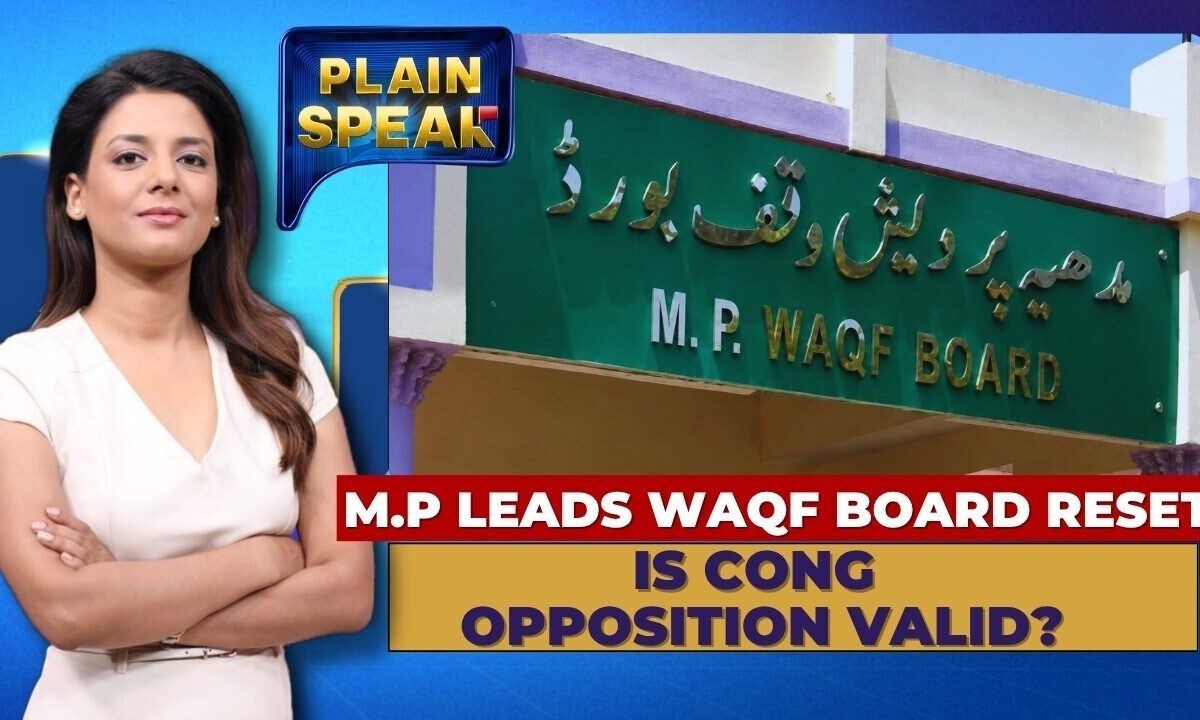
The inclusion of Hindu members in the MP Waqf Board has ignited a fierce political and legal firestorm, testing the reach of recent central amendments.
The administrative landscape of religious endowments in India has shifted beneath our feet. Madhya Pradesh has become the first state to appoint non-Muslim members to its Waqf Board, a move that follows the Supreme Court’s backing of the recent Waqf Amendment Act. While the state government frames this as a step toward administrative transparency and inclusivity, the decision has invited immediate pushback from the Congress party, which has labelled the move "inappropriate" and is reportedly weighing a formal legal challenge.
The Legal Tightrope
This development arrives amidst a broader, nationwide struggle over the management of India’s vast Waqf properties. While the Supreme Court has provided a degree of support for the legislative amendments, the judiciary has not issued a blanket endorsement. In fact, the apex court recently stayed specific provisions of the Waqf Amendment Act, notably putting the "five-year Islam practice" rule on hold. This creates a complex, fractured legal environment where state-level implementations are outpacing the final judicial consensus.
For the administrative machinery, the challenge is twofold: implementing the new mandate while facing a gridlock of incomplete paperwork. With a December 5 deadline having passed, reports indicate that nearly 70% of Waqf properties remain un-digitized and unregistered on official portals. This technical bottleneck, combined with the ongoing protest from opposition ranks and organizations like the All India Muslim Personal Law Board (AIMPLB), suggests that the path to full implementation will be anything but smooth.
Why It Matters
This is not merely about board composition; it is a fundamental debate over the autonomy of religious trusts and the extent of state intervention. Historically, Waqf Boards have functioned as community-managed bodies. By introducing external, non-community representation, the state is signaling a move toward a model of secular oversight that prioritizes government-monitored accountability over traditional religious management.
The bigger picture points to a deepening friction between the federal vision of reform and localized resistance. As states like Telangana deliberate on how to adopt these central directives, the Madhya Pradesh model serves as both a test case and a lightning rod. If the Supreme Court eventually upholds the inclusion of non-Muslim members, we are looking at a permanent restructuring of how religious endowments are governed in India. Conversely, if the legal challenges from the opposition and civil society groups gain traction, this could become the first of many rollbacks, stalling the government’s ambitious reform agenda.
As the nation balances its attention between such high-stakes policy shifts and the usual churn of cricket scores and seasonal updates, the Waqf issue remains one to watch. It is a quiet, structural transformation that could redefine the relationship between the Indian state and religious institutional property for decades to come.
Ananya Iyer covers global affairs with an Indian lens for PoliticalPedia.