Bombay High Court Weighs Interim Guidelines for Advocate Protection Amid Legislative Stasis
Bombay High Court to consider interim safeguards for advocates as protection law put on hold
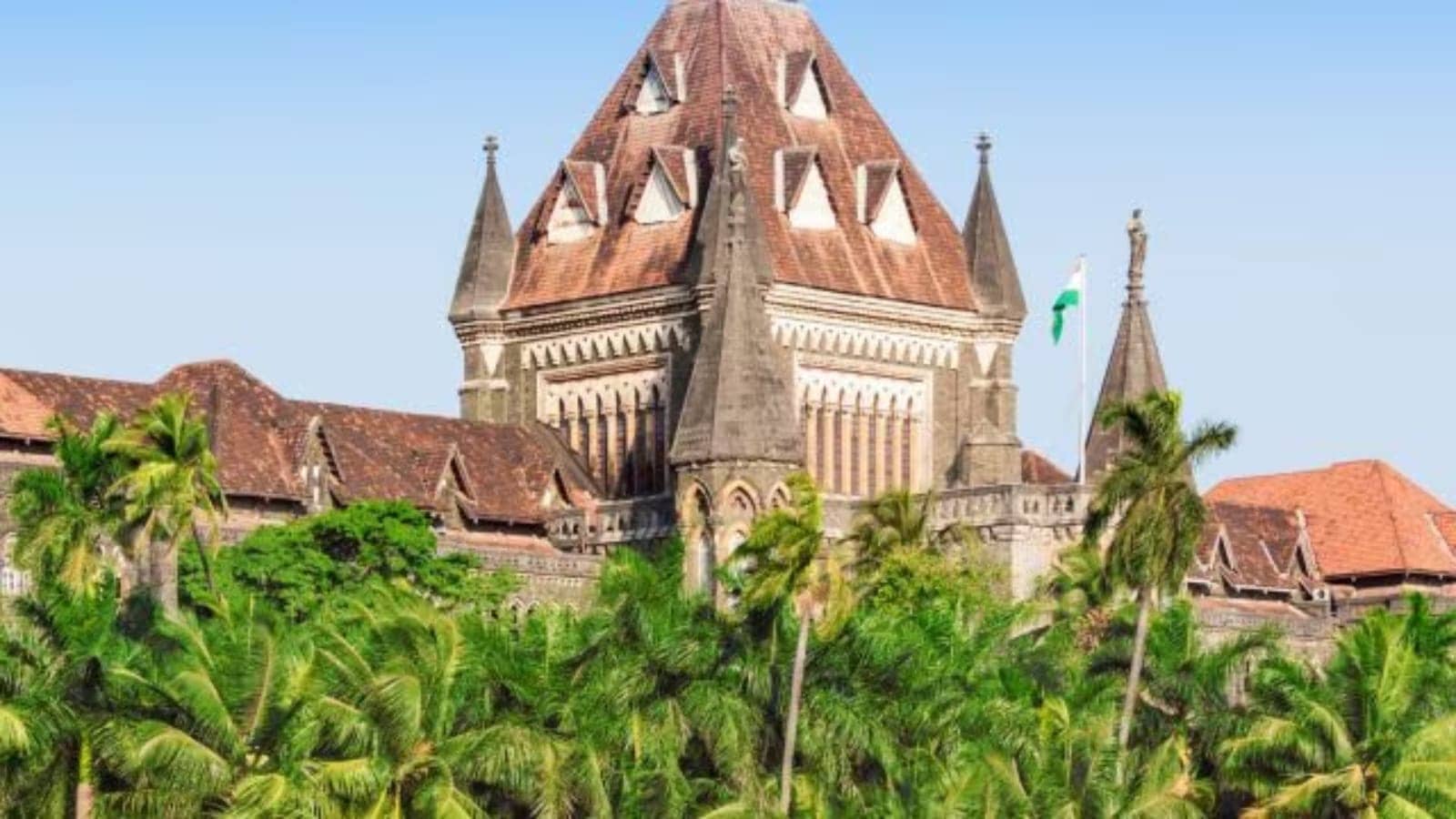
The court is deliberating on implementing immediate safety protocols for legal practitioners in Maharashtra while a state-level protection bill remains under review.
The Bombay High Court has initiated a critical deliberation on whether to frame interim judicial guidelines to safeguard advocates from violence, coercion, and intimidation. This move comes in response to a public interest litigation (PIL) filed by the Kolhapur District Bar Association, which highlighted a concerning rise in physical assaults against legal professionals across the state. As the judiciary contemplates these protective measures, it faces the challenge of balancing the immediate security needs of over two lakh advocates with the reality that a dedicated state law remains in administrative limbo.
A Growing Crisis in Court Complexes
The urgency of the matter stems from a series of violent incidents, most notably an assault on an advocate within the Kolhapur district court complex earlier this year. This event prompted the High Court to take suo motu cognisance, subsequently merging the issue into a broader PIL. For the legal fraternity, the message from the bench is clear: advocates serve as essential "officers of the court," and any act of violence against them is viewed as a direct affront to the administration of justice. The Bar Council of Maharashtra and Goa has argued that existing provisions under the Bharatiya Nyaya Sanhita are insufficient to deter such threats, necessitating a more robust, specialized framework.
The Legislative Impasse
During recent proceedings, the Maharashtra government and the Union of India informed the bench that an Advocates’ Protection Bill is currently under review by the Law Commission. Because the proposed legislation is undergoing national-level scrutiny, government counsel urged the court to avoid creating a parallel administrative structure. However, this wait-and-see approach has been met with resistance from the court-appointed amici curiae, who contend that legal practitioners cannot wait indefinitely for bureaucratic processes to conclude while their physical safety remains at risk.
Proposing a 21-Point Safeguard
To address the current vacuum, the amici curiae have presented a comprehensive 21-point set of guidelines for the court’s consideration. These proposed measures are designed to act as a stop-gap until formal legislation is passed. Among the suggestions are the creation of district-level advocate protection committees and the implementation of protocols that mandate police investigations into attacks on lawyers be handled by officers no lower than the rank of Deputy Superintendent. Furthermore, the guidelines propose protections against coercive police action and safeguards for privileged lawyer-client communications, ensuring that members of the bar can perform their professional duties without fear of systemic interference.
A Path Forward for the Bench
The division bench, comprising Justices Madhav J. Jamdar and Pravin S. Patil, has acknowledged the gravity of the situation. While the court has refrained from immediate, sweeping orders prior to the summer recess, it has emphasized that any protection granted must be "real, effective, and responsive" to the specific circumstances of each case. By looking to existing models like the Karnataka Prohibition of Violence Against Advocates Act and similar laws in Telangana, the Bombay High Court is signaling that it is prepared to step in where the legislature has faltered. The proceedings are set to resume on June 18, 2026, marking a pivotal moment for the independence and safety of the legal profession in Maharashtra.
The PoliticalPedia Editorial Desk brings verified, sourced political news and analysis from across India.