Bikaner Maternal Deaths: Rajasthan Minister’s Insensitive Query Stirs Political Storm
Rajasthan Minister's Shocking Remark Sparks Outrage After Maternal Deaths In Bikaner | News18
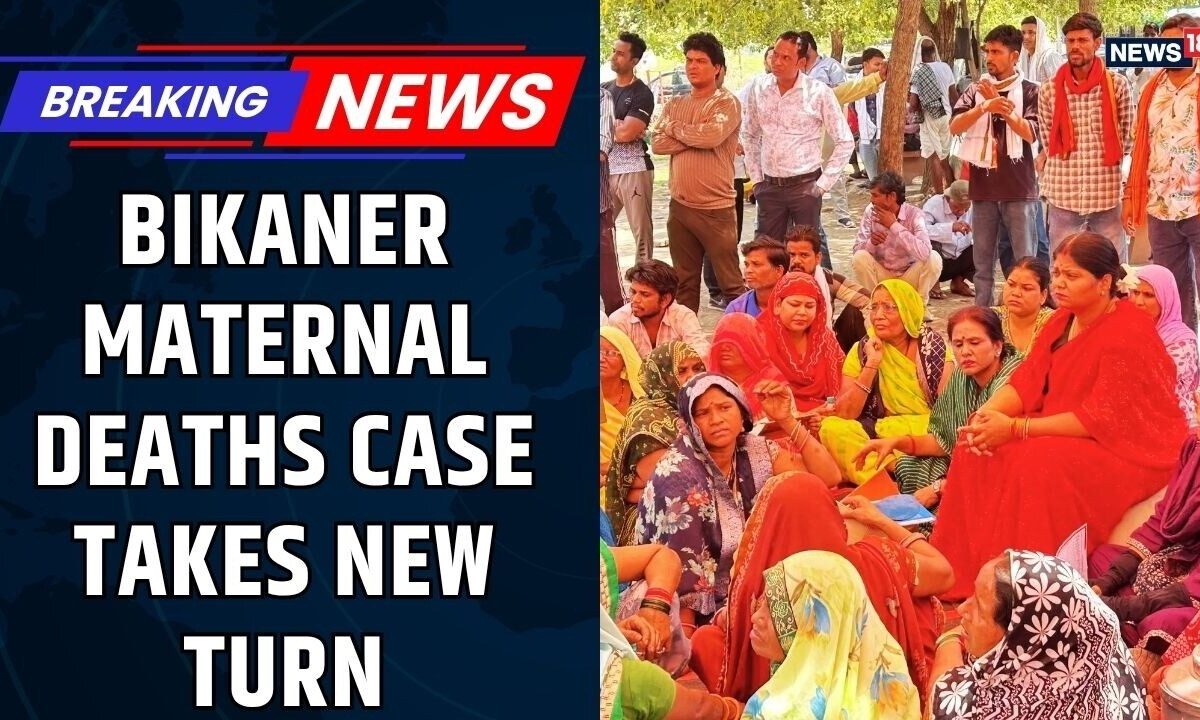
A callous response from the state’s health minister regarding the tragic passing of five women in Bikaner has triggered a fierce backlash over systemic healthcare failures.
The halls of power in Jaipur are echoing with sharp condemnation today after Rajasthan Health Minister Gajendra Singh Khimsar chose a particularly dismissive line of inquiry when pressed on a tragedy in Bikaner. Confronted with the news that five women had lost their lives due to kidney failure following childbirth, the minister deflected accountability with a jarring question: "Did the pregnant woman come on foot or dancing?"
This shocking remark has sparked outrage across the state, drawing immediate fire from opposition leaders and civil society activists who view the comment as a grotesque trivialization of maternal health. For the families grieving the loss of their loved ones, the minister’s flippancy was a stinging insult, turning a desperate public health crisis into a flashpoint for political combat.
A System Under Scrutiny
The deaths in Bikaner point to deeper, systemic fractures within the healthcare infrastructure of the region. While the state government faces mounting pressure to provide a transparent account of what occurred, the Minister’s defensive posture has only served to widen the trust deficit between the public and the health department. Critics argue that the focus should be on investigating potential lapses in post-natal care and the availability of emergency renal support, rather than casting aspersions on the victims or their families.
The controversy is no longer just about the medical outcomes; it has evolved into a wider debate on ministerial accountability. As the news of the minister’s remark continues to generate widespread reaction, the government finds itself scrambling to manage a narrative that has quickly turned from a local tragedy into a statewide scandal.
Why it matters
The bigger picture here is the persistent fragility of maternal health services in tier-two and tier-three cities. When high-ranking officials resort to victim-blaming instead of addressing logistical failures—such as delays in reaching hospitals or the lack of specialized equipment—it suggests a disconnect between policy-making and the grim reality on the ground. This incident illustrates a recurring pattern in Indian governance where, instead of immediate administrative audits, the knee-jerk reaction from leadership is often denial or deflection. For the administration in Rajasthan, this controversy serves as a stark reminder that in the eyes of the public, the manner of communication is just as critical as the quality of the healthcare provided.
As the state awaits a formal inquiry into the Bikaner deaths, the political fallout continues to intensify. Opposition parties are demanding a formal apology and a comprehensive review of health services in the district, signaling that this issue will likely dominate the legislative discourse in the coming days.
Arjun Mehta reports on government, policy and Parliament for PoliticalPedia, in English and Hindi.