Beyond the Bulldozer: Decoding UP’s Violent Crime Shift
Yogi’s UP beats national violent-crime decline across 5 key categories
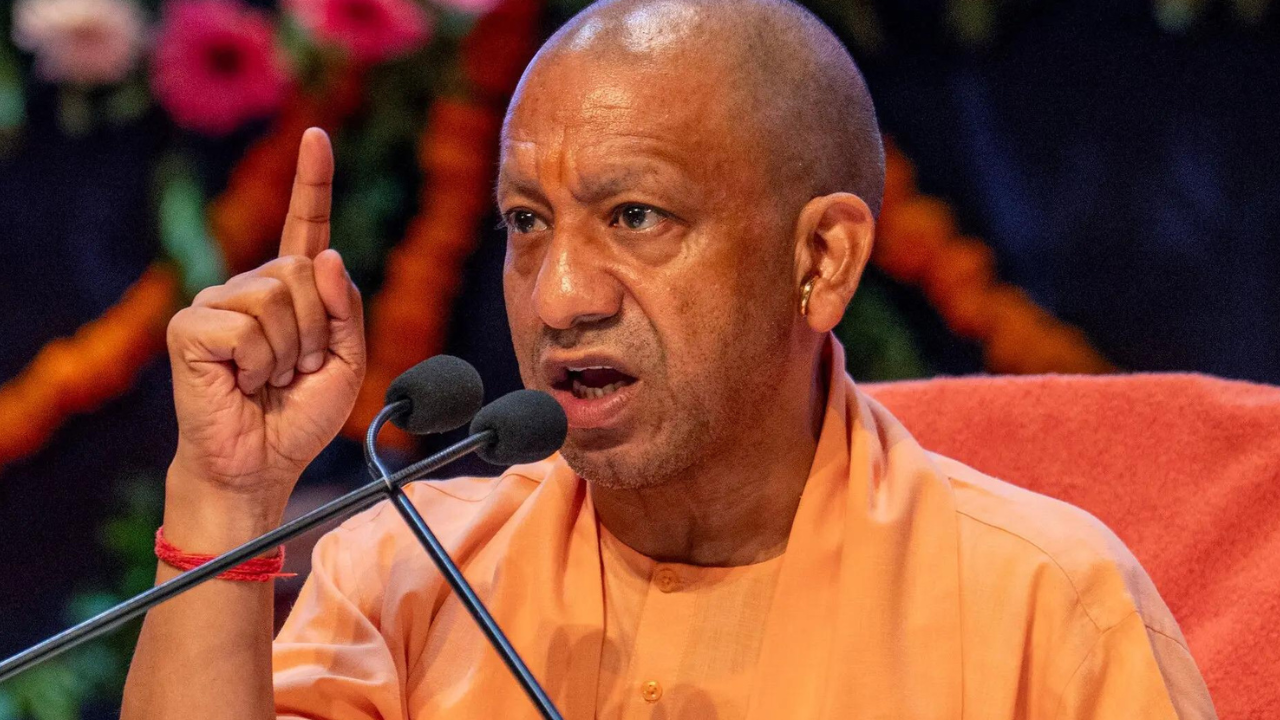
A fresh analysis of NCRB data reveals that Uttar Pradesh has outpaced the national trend in curbing five major violent crime categories over the last two years.
For years, the political branding of Uttar Pradesh Chief Minister Yogi Adityanath has been inseparable from the imagery of the "Bulldozer Baba." While critics once used the term as a pointed jab at his administration's methods, the state government has since pivoted, turning it into a symbol of zero-tolerance policing. But beyond the political theater, the numbers—drawn from the National Crime Records Bureau (NCRB)—offer a more nuanced look at whether this administrative grip is translating into a safer state.
The Data in Context
A look at five specific violent crime categories—murder, attempt to commit murder, rape, kidnapping, and rioting—shows that Uttar Pradesh has performed better than the national average between 2022 and 2024. The trend is most pronounced in rioting, which saw a 41.7% decline in the state over the two-year period, dropping from 4,478 cases in 2022 to 2,610 in 2024. Nationally, the decline in rioting was far more modest by comparison.
Across four of the five categories, the state recorded a sharp, consistent decline. In the fifth category, attempt to murder, UP managed a reduction even as India as a whole saw an increase. These statistics suggest that the state’s approach to law and order is moving against the grain of broader national movements.
Why it Matters: The Policing Paradox
It is vital to treat these figures with professional caution. The NCRB data measures police-recorded crime, not the absolute frequency of incidents. A decrease in numbers can sometimes reflect a change in police registration practices or the "dark figure" of underreporting, rather than a genuine disappearance of crime.
Furthermore, the 2024 landscape is complicated by the introduction of new criminal laws on July 1. The transition between the Indian Penal Code (IPC) and the Bharatiya Nyaya Sanhita (BNS) has necessitated new data formats and legal reclassifications. While the NCRB has attempted to bridge these systems to maintain comparability, any analysis must account for the mechanical shifts in how cases are now being booked and processed by the courts.
The Bigger Picture
Whether these shifts are the direct result of stricter enforcement or broader socio-economic changes remains a subject of intense debate in the corridors of power. What is clear is that the narrative of "law and order" in Uttar Pradesh is no longer just a campaign slogan; it is backed by a statistical trend that is difficult to ignore.
The decline in rioting, in particular, points toward a significant change in the state’s public order environment. As the administration continues to lean into its "zero-tolerance" policy, the challenge for both policymakers and analysts will be to distinguish between the efficacy of policing strategies and the inherent fluctuations in crime reporting. For now, the data confirms that Uttar Pradesh is charting a distinct, and statistically quieter, path than the rest of the country.
Arjun Mehta reports on government, policy and Parliament for PoliticalPedia, in English and Hindi.