Beyond the Trenches: How India’s ‘Maroon Angels’ Defined Its Global Peacekeeping Legacy
India in the Korean War: How 'Maroon Angels' shaped New Delhi’s first UN peacekeeping mission
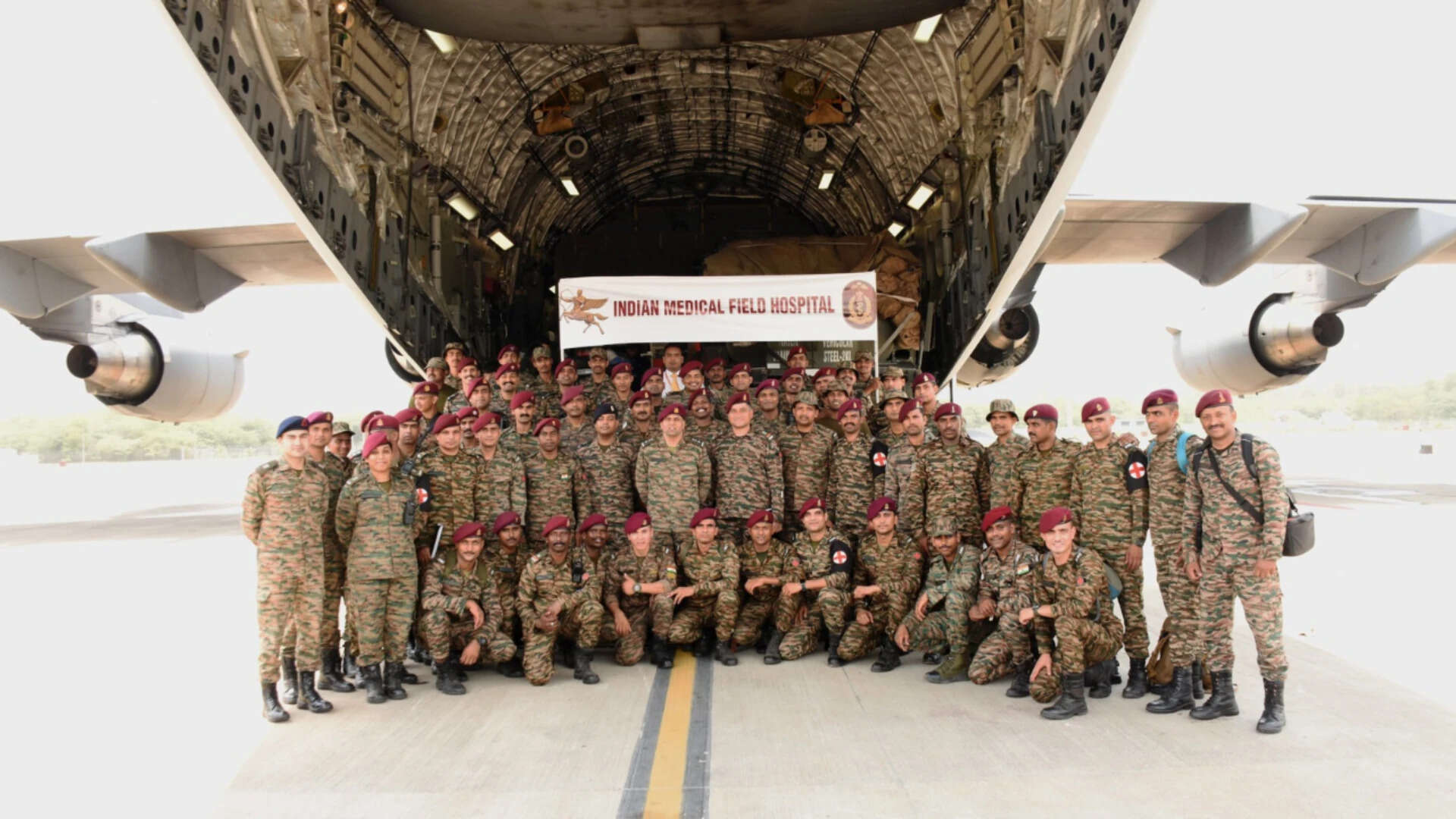
Long before New Delhi became a staple of UN missions, a band of Indian medics in the Korean War set the gold standard for impartiality in a fractured world.
The Korean War is often remembered as a brutal, frozen standoff—a conflict that began with a North Korean push across the 38th parallel in 1950 and left the peninsula scarred by millions of casualties. Yet, amidst the clash between UN-backed forces and the communist bloc, a different kind of Indian story emerged. It wasn't one of combat, but of compassion. In December 1950, while the world was choosing sides, New Delhi chose a path of principled neutrality, deploying the 60th Para Field Ambulance unit to the frontlines of Korea.
These soldiers, later affectionately dubbed the “Maroon Angels,” were led by the legendary Lt Col AG Rangaraj—India’s first-ever paratrooper. Their mission was not to take territory, but to save lives. Over a four-year deployment that lasted until 1954, this medical contingent operated in the most harrowing conditions imaginable, treating over 222,000 patients. Their reach was blind to rank or uniform, extending care to UN soldiers, local civilians, and even enemy prisoners.
A Legacy of Impartiality
The unit’s performance earned them two Maha Vir Chakras and solidified India’s reputation as an honest broker in international conflicts. This credibility was not merely symbolic; it became a strategic asset. When the 1953 Armistice finally silenced the guns, the resulting Neutral Nations Repatriation Commission required a leader who could be trusted by all sides. India was the natural choice.
Under the command of Major General SPP Thorat, the Custodian Force India was tasked with the sensitive job of managing prisoners of war. It was a massive responsibility, proving that New Delhi’s policy of non-alignment could translate into effective, boots-on-the-ground diplomacy.
Why it matters
The Korean mission was the crucible in which India’s modern peacekeeping identity was forged. By refusing to engage in kinetic warfare while committing fully to humanitarian relief, India carved out a "third way" in global affairs. This history serves as a reminder that India's influence on the world stage has rarely been about raw military projection, but rather about its ability to bridge divides. As current geopolitical tensions rise, the "Maroon Angels" represent a template for how a rising power can exert soft power through principled service rather than force.
The Bigger Picture
Today, the division of the Korean peninsula remains a "frozen conflict," a haunting reminder of the war's unresolved nature. For India, the history of this mission is more than an archival record; it is the foundation of its enduring commitment to the UN. The success of the 60th Para Field Ambulance wasn't just in the lives they saved, but in the precedent they set: that in a world defined by the "us versus them" logic of the Cold War, there is always room for a neutral voice focused on the common good of humanity.
Ananya Iyer covers global affairs with an Indian lens for PoliticalPedia.