Beyond the Symbolism: Internal Rebellion Brews Within the Trinamool Congress
'We Were There Only For Show': Rebel TMC MP Alleges Exclusion, Says Complaints Went Unaddressed
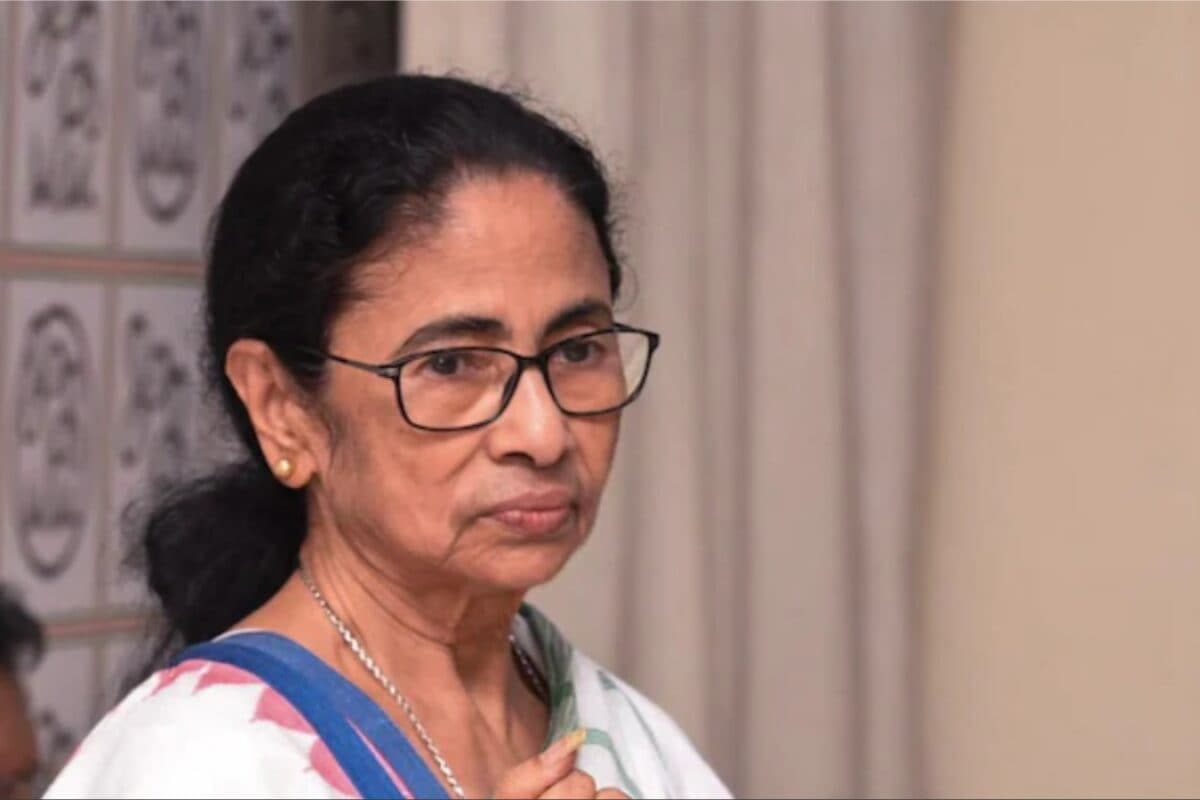
A rebel TMC MP alleges systemic exclusion and a breakdown in communication, signalling deep-seated dissatisfaction within the party hierarchy.
The cracks within the अखिल भारतीय तृणमूल कांग्रेस are widening, revealing a discontented rank-and-file that feels increasingly sidelined. A rebel TMC MP alleges that their role in the party has been reduced to a mere formality, describing the parliamentary experience as one where they were “there only for show.” In a candid assessment of the internal climate, the lawmaker claims that elected representatives are routinely kept out of the loop on critical decision-making, effectively stripping them of their agency.
A Wall Between Leadership and Lawmakers
The grievances go beyond simple policy disagreements. According to the MP, who spoke on condition of anonymity, accessing the party’s top leadership—including Mamata Banerjee—has become a near-impossible task, regardless of how urgent the matter might be. This isolation has created a feedback loop where complaints regarding internal conduct are allegedly funneled back to the very individuals being accused, rather than being addressed through formal institutional channels.
The scope of this dissatisfaction within the party is significant. The rebel lawmaker noted that even routine efforts to facilitate development work in their constituencies were met with resistance. Seeking assistance from Union ministers—often a standard necessity for local development—was frequently framed by the leadership as an act of defiance, effectively paralyzing the MPs' ability to deliver for their constituents.
Silencing the Parliamentary Voice
The friction is also evident on the floor of the House. The MP stated that elected representatives are increasingly discouraged from raising questions or offering independent suggestions on parliamentary interventions. Instead of serving as active voices for their voters, these representatives claim they were relegated to a decorative role, excluded from key organizational meetings and barred from shaping the party’s larger political trajectory.
The Bigger Picture
This internal fraying highlights a recurring challenge for hierarchical political outfits: the tension between top-down command structures and the aspirations of elected grassroots representatives. When MPs feel their parliamentary mandate is being curtailed by party mandates, the resulting friction often leads to the kind of public distancing seen here. For the TMC, this is not just an administrative hurdle; it is a question of political cohesion. If the leadership continues to centralize power while ignoring the feedback loop from its parliamentary wing, the party risks losing the very individuals who bridge the gap between regional politics and national legislation.
Rohan Gupta covers the economy, markets and companies for PoliticalPedia.