Beyond the Spotlight: Why the Hollywood Phrase Trump Used for Indian Scribe Has Everyone Curious
'You're Central Casting': Why A Hollywood Phrase Trump Used For Indian Scribe Has Everyone Curious
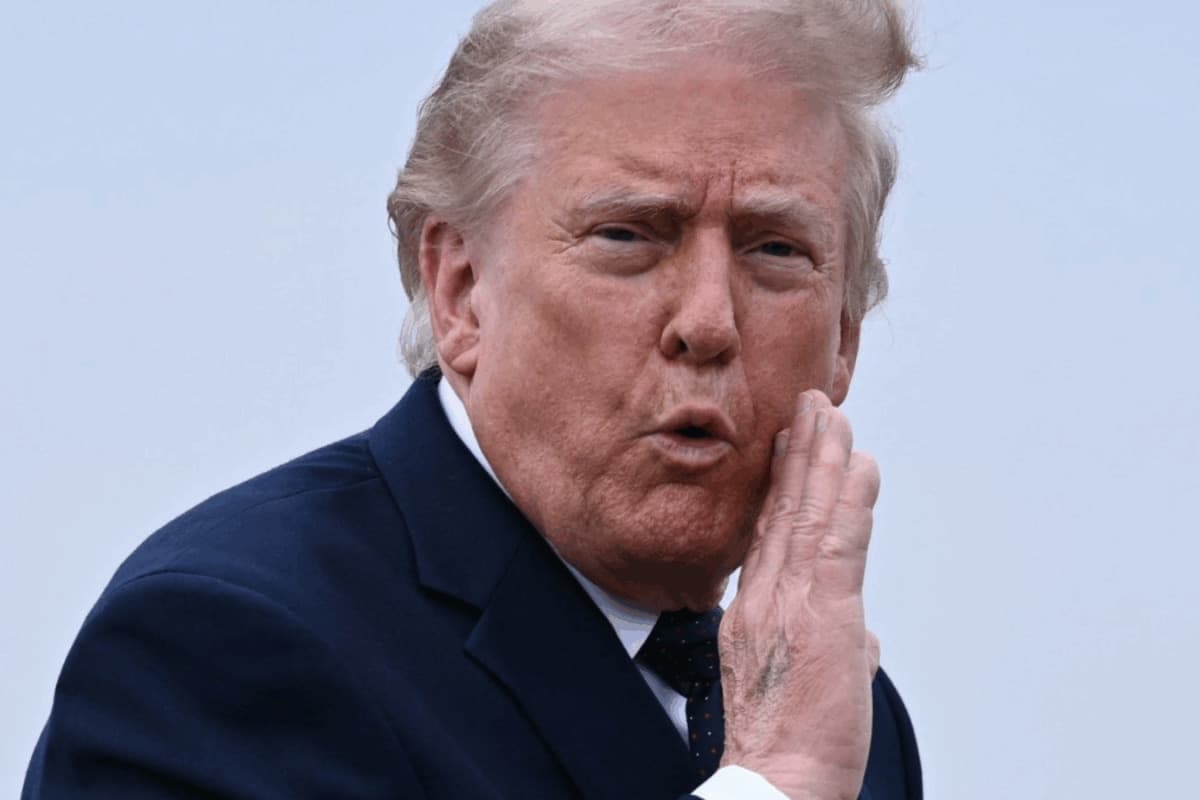
A brief, lighthearted exchange at the White House has ignited online intrigue after the US President deployed a classic Tinseltown term to describe a journalist.
During a recent press interaction at the White House, US President Donald Trump turned a routine question about trade relations with India into a moment of unexpected levity. Upon engaging with an Indian reporter, the President joked, “Are you from India? I thought you were from Germany?” before quickly pivoting to a compliment: “I’m only kidding. You’re central casting, OK? That’s a very good thing.”
Decoding the Hollywood Connection
The comment has left many viewers wondering about the origin of the term and why the President seems to favor it. "Central casting" is a historic Hollywood institution that has provided actors and extras for the film industry for over a century. In modern American parlance, being described as "straight out of central casting" is a high-level compliment. It suggests that a person possesses the precise aesthetic, voice, and presence one would expect from a professional in that specific role. In this context, the President was essentially telling the scribe that he perfectly embodied the image of a seasoned television journalist.
A Recurring Part of the President's Vocabulary
While the interaction caught the Indian media landscape by surprise, this particular phrase is a staple of the President’s rhetorical style. Over the years, he has applied the label to a diverse array of figures, ranging from military commanders and law enforcement officials to high-profile world leaders, including Chinese President Xi Jinping.
For the President, the phrase serves as a shorthand for authenticity and professionalism. By invoking this cinematic imagery, he frames the individual as someone who looks and acts exactly as their job title implies. Whether he is referencing a general or a reporter, the intent remains consistent: it is a way for him to affirm that the person in front of him is a quintessential example of their craft.
As the clip of the exchange circulates on social media platforms, the term has become a focal point of discussion, highlighting the unique intersection of American pop culture and high-stakes political diplomacy. While the exchange was brief, it underscored how even the most casual remarks from a world leader can capture the public imagination when they draw from the lexicon of Hollywood.
The PoliticalPedia Editorial Desk brings verified, sourced political news and analysis from across India.