Beyond the Spectacle: Why the 'Peddi' Row Highlights a Persistent Gender Gap in South Indian Cinema
Why female representation in South Indian cinema remains talking point
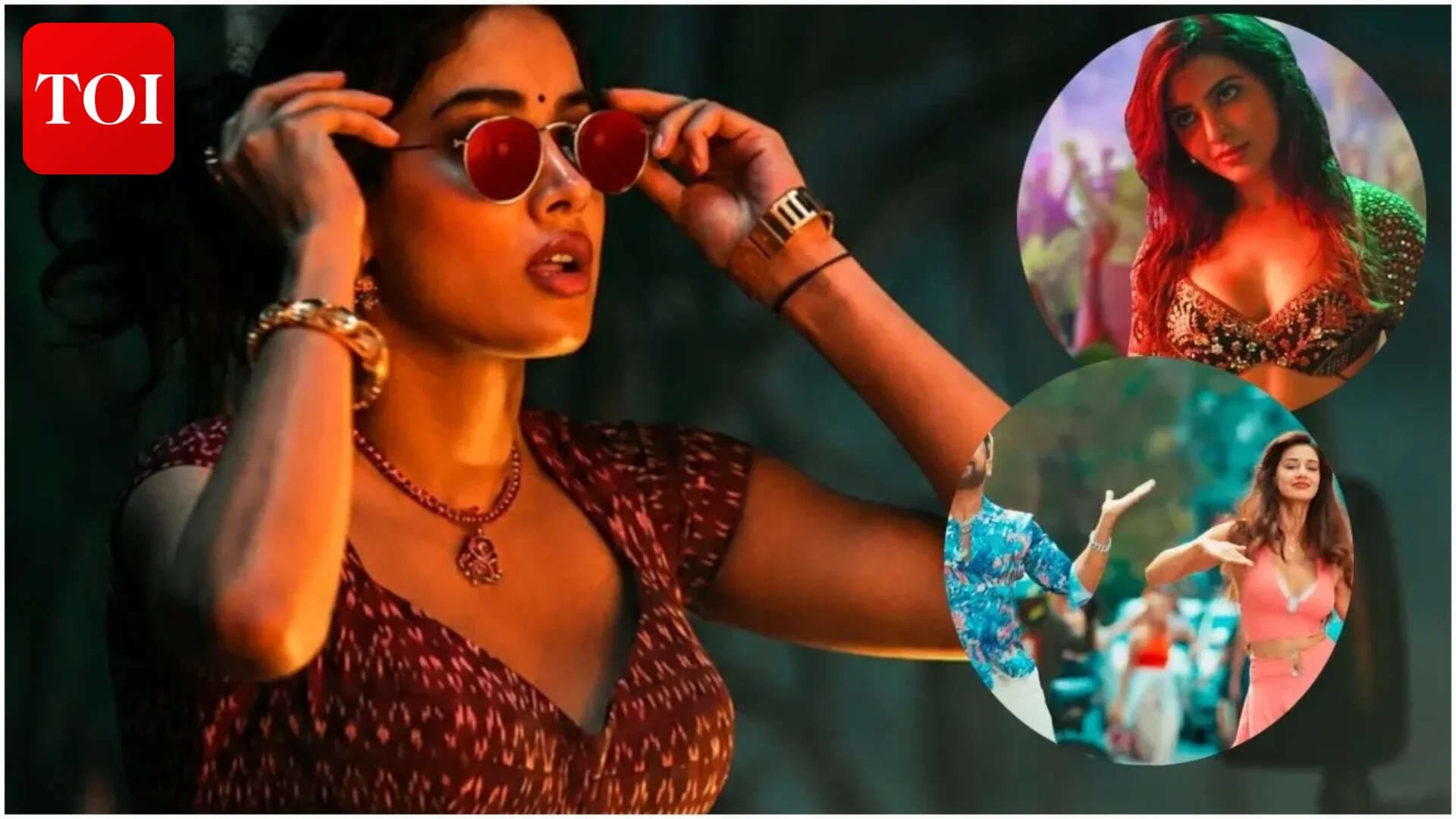
As big-budget films continue to dominate the box office, the limited narrative space afforded to female leads has ignited a fresh debate on industry-wide writing practices.
The commercial success of Peddi, starring Ram Charan and Janhvi Kapoor, has hit a nerve that extends far beyond the film’s box office figures. While the project performed strongly, the post-release discourse quickly veered away from earnings and toward the agency—or lack thereof—of the film’s female lead, Achiyyamma. The criticism centers on whether major South Indian commercial films remain trapped in a cycle of reducing women to ornamental roles, serving as little more than catalysts for the male protagonist’s journey.
The 'Peddi' Debate and the Writing Problem
The intensity of the backlash caught many by surprise, particularly as it spilled over from casual social media commentary into a wider critique of filmmaking choices. Observers noted that Janhvi Kapoor’s character felt peripheral, leading to widespread questions about the depth of female writing in big-budget ventures. The situation escalated when reports surfaced that the actress herself had engaged with social media posts critical of her character’s treatment, signaling that the dissatisfaction may have been felt even within the production circle.
In a rare move for a director in the midst of a successful run, Buchi Babu Sana addressed the feedback publicly. Acknowledging the audience's disappointment, he confirmed that changes would be made to the specific portions of the film that drew the most scrutiny. This pivot highlights a growing trend where modern viewers are no longer content with passive viewing, demanding more substantial character arcs for leading women in mainstream cinema.
Defending the Actress, Questioning the System
Amid the mounting criticism, actor Ashika Ranganath stepped in to shift the focus from the performer to the industry’s structural issues. Taking to Instagram, Ranganath argued that blaming individual actresses is a misplaced effort. She emphasized that actors often operate within the limited opportunities presented to them, hoping to secure space in high-profile projects. By her account, the responsibility for underwritten female roles lies squarely with the makers and the systemic belief that certain regressive tropes are what guarantee commercial viability.
This sentiment is echoed in recent industry reports, such as the O Womaniya! 2025 study, which suggests that the Indian entertainment industry remains in a "gender slow lane." The persistent reliance on item songs—a legacy inherited from the cabaret and courtesan performances of earlier decades—continues to blur the line between a character’s narrative necessity and the desire for visual spectacle.
A Wider Pattern in Regional Cinema
The scrutiny surrounding Peddi is not an isolated incident but part of a larger conversation regarding female representation in South Indian cinema. From the massive scale of Pushpa to the intense hype around Kanguva, the pressure on filmmakers to balance mass appeal with progressive storytelling has never been higher. As audiences become more vocal, the industry faces an inflection point. The debate underscores a fundamental shift: while the box office may still favor traditional formulas, the critical and social media ecosystem is increasingly intolerant of films that fail to provide their female leads with meaningful, well-rounded roles.
The PoliticalPedia Editorial Desk brings verified, sourced political news and analysis from across India.