Beyond the Shadow: Why Portugal’s 2026 World Cup Hopes Rest on More Than Ronaldo
Portugal beyond Ronaldo: Vitinha, Bruno creative heartbeat in push for World Cup
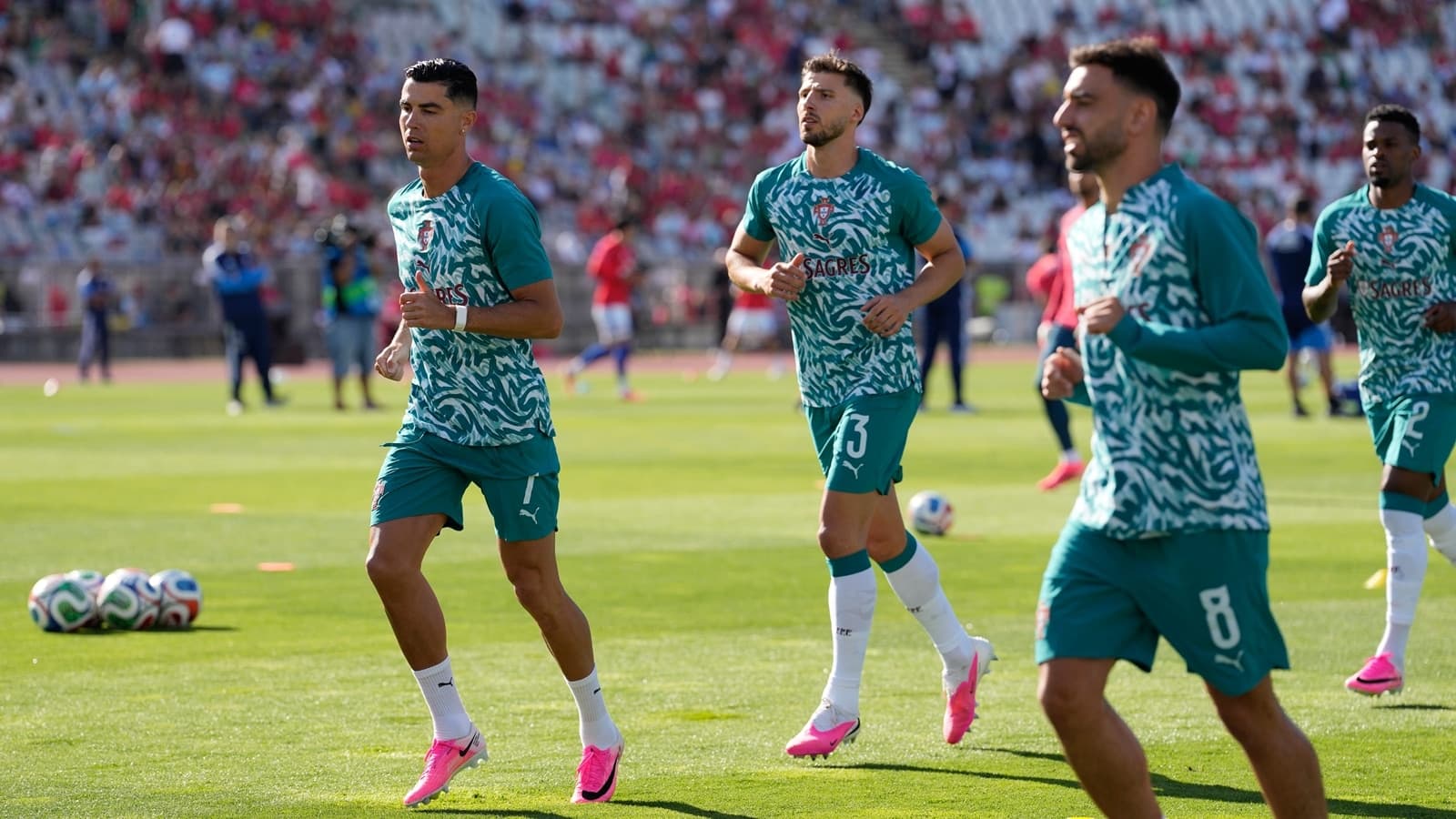
As Cristiano Ronaldo prepares for his final dance on the global stage, a new generation of Portuguese playmakers is ready to rewrite the script.
For nearly two decades, the Portuguese national team has operated as a solar system orbiting a single, brilliant star. Every tactical board, every fan’s expectation, and every high-stakes match has been calibrated to suit Cristiano Ronaldo. But as the 2026 FIFA World Cup arrives in North America, the dynamic within the Seleção is undergoing a quiet, fundamental shift. While the 41-year-old icon remains the face of the team, the squad’s creative heartbeat now pulses through a sophisticated midfield led by the poised, precise Vítor Machado Ferreira—better known as Vitinha.
The Rise of the Metronome
Vitinha has evolved from a peripheral figure in the 2022 Qatar campaign to the undisputed architect of Roberto Martínez’s current setup. Operating from deep-lying positions, the 26-year-old PSG star functions as a metronome, dictating the tempo of the game with the same clinical efficiency as legends like Toni Kroos or Andrea Pirlo. While goals and assists dominate headlines, Vitinha’s value lies in the invisible: the perfect weight of a pass, the tactical scan before receiving the ball, and the subtle movement that breaks a high press.
This is not a team lacking in talent. Alongside Vitinha, the squad boasts a embarrassment of riches including Bruno Fernandes, Bernardo Silva, and a host of rising stars from the Champions League circuit. For the first time in their history, Portugal enters a major tournament with a roster that doesn't just look to one man to conjure magic. They have transitioned into a cohesive unit that can dismantle opponents through structure and collective quality rather than individual brilliance alone.
The Professionalism of a Legend
Despite the tactical pivot, Ronaldo’s presence remains central to the team’s psychology. Vitinha recently spoke openly about the profound impact of the captain’s work ethic, noting that the younger players are driven by a singular, shared ambition: to win the World Cup for their country, and for the legacy of their iconic leader. The squad is not viewing this as a farewell tour, but as a final, collective push to secure the one trophy that has eluded them, treating every training session with the clinical seriousness that has defined Ronaldo’s long career.
Why it matters
The shift from a "Ronaldo-dependent" side to a balanced, creative collective represents a coming-of-age for Portuguese football. For years, the reliance on one talisman acted as both a blessing and a tactical ceiling. By spreading the creative burden across players like Vitinha and Bruno, Roberto Martínez has removed the "bottleneck" effect that often saw Portugal struggle when their captain was neutralized. If they manage to navigate the early stages in North America, this multi-dimensional approach could finally be the key to moving beyond the quarter-final hurdles that have haunted them in recent years.
The Path Ahead
Drawn into Group K alongside Colombia, Uzbekistan, and DR Congo, Portugal has been handed a favorable opening path. With the tournament hosted in climate-controlled, roofed venues like Houston’s NRG Stadium, Martínez’s high-pressing system is well-positioned to thrive. The Seleção are no longer just an outside bet; they are a side with a clear identity, blending the veteran grit of their history with a technical midfield that is arguably the finest in the world today.
World Desk at PoliticalPedia covers global affairs for an Indian audience in English and Hindi.