Space Diplomacy: Why Germany is reminding America that NASA needs Europe
Germany sends a clear message to America: NASA can’t operate without us
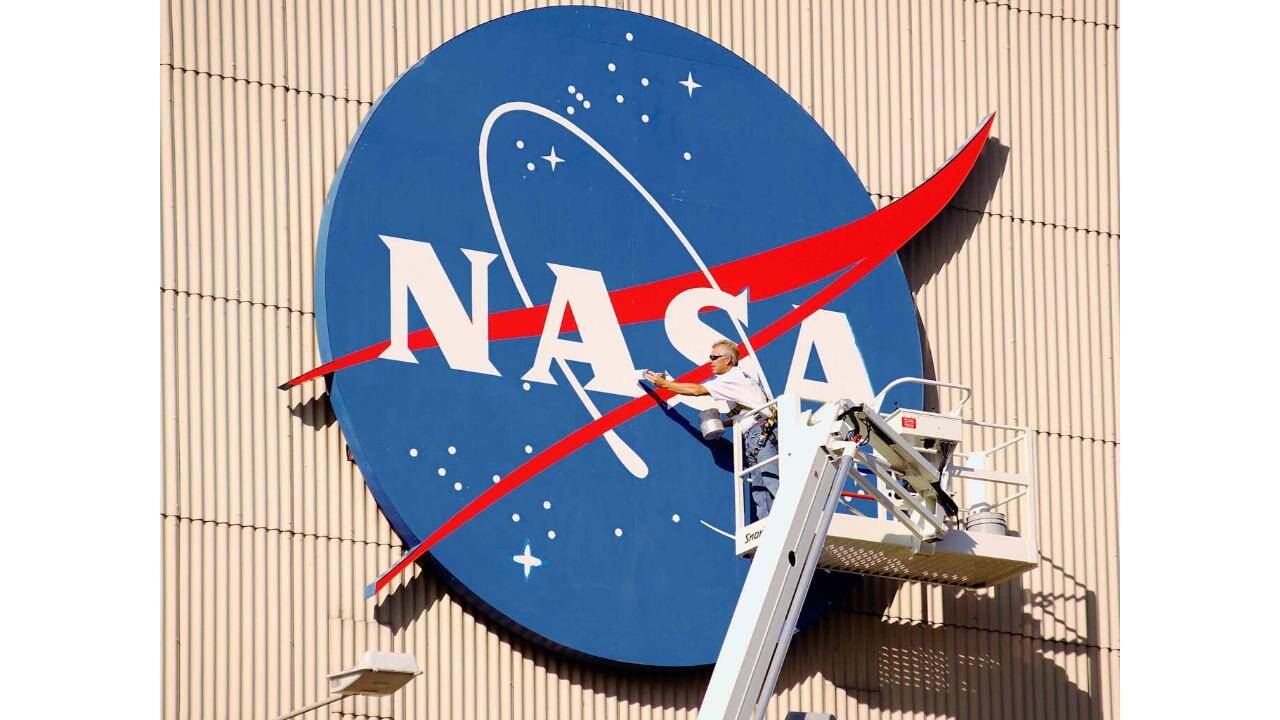
As geopolitical tensions simmer over tech sovereignty, Berlin is asserting that the moon is out of reach without European engineering.
Deep inside a facility in the northwestern German city of Bremen, engineers are assembling what NASA calls the "powerhouse" of the Orion spacecraft. It is the European Service Module—a critical component that provides the electricity, propulsion, thermal control, air, and water necessary for human survival in deep space. For years, this partnership was treated as a standard collaborative effort, but recently, the tone from Berlin has shifted. Germany is no longer just a junior partner; it is asserting its status as an indispensable pillar of American space ambition.
Speaking on the sidelines of the VivaTech trade show in Paris, German Space Minister Dorothee Bar laid out a blunt reality for the United States. "Germany and Europe provide critical key technologies," she said, adding that "without the European Service Module, the United States would not be able to fly to the moon." It is a calculated move to remind Washington that in the high-stakes arena of space exploration, dependence is a two-way street.
The reach of this partnership extends into the very navigation of spacecraft. German firm Jena-Optronik produces the star trackers that allow the Orion to orient itself in the vacuum of space. By highlighting these technical contributions, Berlin is effectively pushing back against the perception that Europe is merely a passenger on American missions. Bar added that while the U.S. is a vital partner, the global landscape is shifting. With a rival alliance coalescing between Russia, China, North Korea, and Iran, Germany is positioning its technological cooperation as a necessary bulwark against competitors.
The Bigger Picture: Tech Sovereignty
This friction in the stars is a reflection of a wider, more terrestrial struggle. Across the Atlantic, the European Union is currently locked in a tense tug-of-war with the U.S. over the control of essential technologies, including AI, microchips, and cloud computing. The recent move by the U.S. to restrict access to advanced AI models has only accelerated the urgency in Brussels to pursue "tech sovereignty."
The European Commission is moving toward a strategy designed to reduce the bloc's reliance on American tech giants. When European leaders speak of reclaiming their place in the global race, they are signaling that the era of unquestioned digital and industrial dependency on the United States is ending. This strategy is not just about protectionism; it is an attempt to ensure that Europe remains a player, rather than a consumer, in the next century of global innovation.
Whether it is on the moon or in a server farm, the message from Berlin is clear: the United States needs Europe to remain competitive. As these two powers navigate their economic tensions, the success of future space missions will serve as a barometer for the strength—or fragility—of the transatlantic alliance. If the U.S. wants to maintain its lead in the new space race, it must acknowledge that its most vital support is coming from a partner that is increasingly demanding to be treated as an equal.
Kabir Sharma writes on culture, technology and everyday life for PoliticalPedia.