Beyond the Rasgulla Debate: Why Odia Cuisine Deserves Its Moment in the Spotlight
Beyond the Rasgulla war: Why this secret ‘sun-dried’ ingredient makes Odia cuisine better than you think
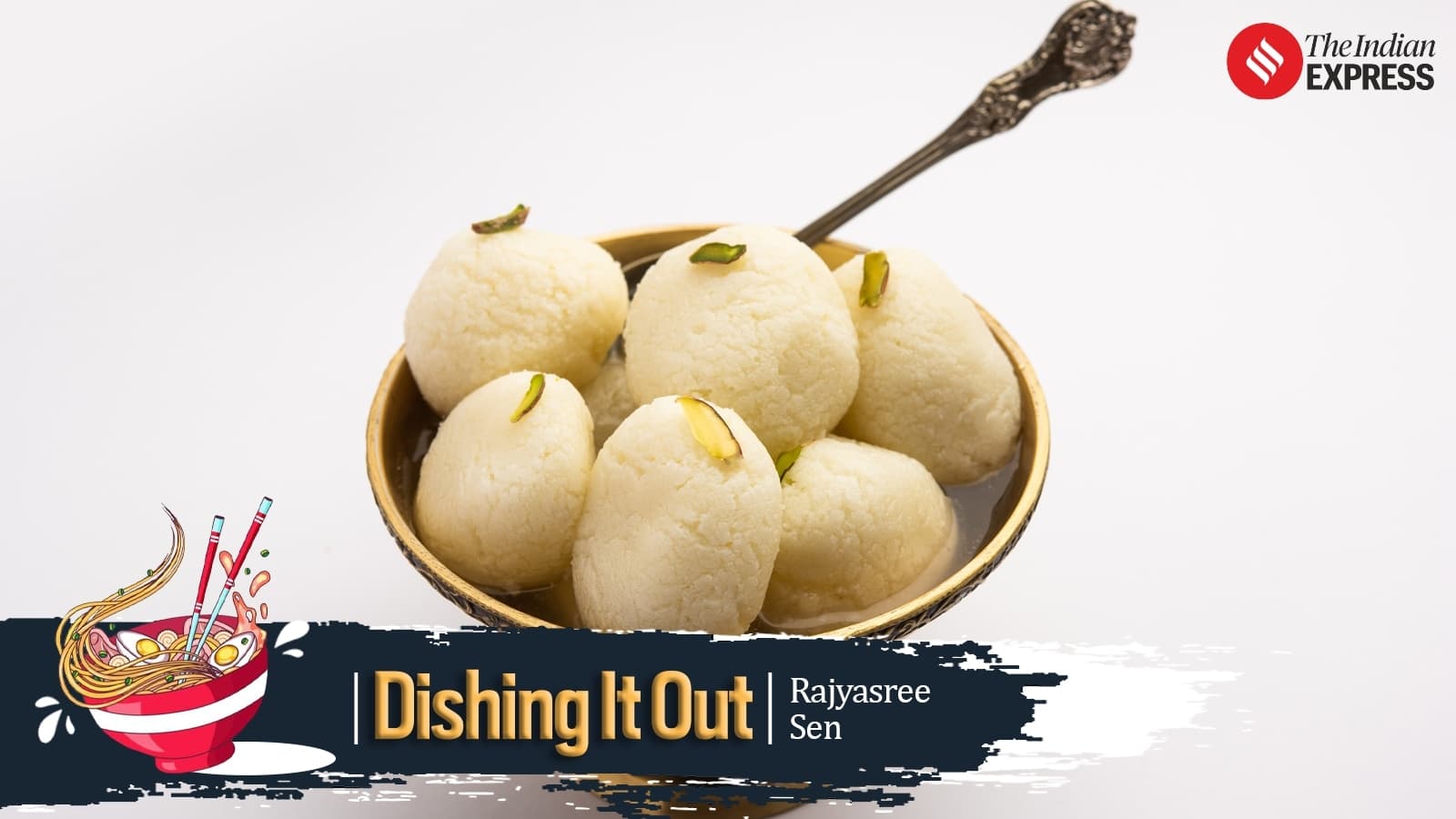
From the humble sun-dried mango to the mastery of seafood, Odisha’s culinary heritage offers a sophisticated simplicity that often eclipses its more famous neighbors.
The perennial debate over the origins of the rasgulla often overshadows the broader brilliance of Eastern Indian food. While Bengali cuisine frequently commands the national narrative, there is a growing recognition that Odia cuisine offers a depth and technical finesse that goes well beyond the sweet shop. Culinary experts and home cooks alike often point to the state’s distinct approach to tempering and produce, which prioritizes the integrity of raw ingredients over heavy spice masalas.
The Art of Subtlety
What sets Odia cooking apart is a commitment to simplicity. Much like its neighbors, the kitchen repertoire relies on panch phoron—a classic five-spice blend—to temper dishes. However, the execution remains markedly different. By using minimal spices, Odia preparations allow the natural sweetness of local vegetables or the brininess of fresh catch from Chilika Lake to take center stage. This restraint is a hallmark of the region, where the quality of the produce is treated with a level of respect that often defines the difference between a good meal and a memorable one.
The Secret of Ambula
If one ingredient defines the unique profile of this regional pantry, it is Ambula. This sun-dried raw mango, prepared by slicing and salting the fruit before leaving it to cure in the heat, serves as the backbone for many traditional preparations. Much like Kokum in the Konkan region, Ambula provides a concentrated, intensely tart, and salty kick. It is a versatile tool; it can be used as a subtle souring agent for curries or transformed into the star of a dish, such as the cooling Dahi Ambula, a raita that showcases the ingredient's ability to balance rich textures with sharp acidity.
Shared Histories and Distinct Flavours
There are undeniable meeting points between Bengali and Odia food cultures, particularly regarding the consumption of Pakhala Bhaat. This fermented rice dish, served with water, onions, chilies, and fried accompaniments, is a staple across both regions. Despite these shared roots, the Odia influence on broader Eastern Indian gastronomy is profound. Historically, many households in Bengal relied on cooks from Odisha to manage their kitchens, and these chefs were often masters of both regional traditions and complex continental dishes.
Moving Beyond the Regional Rivalry
While the rivalry over sweets might continue to simmer, there is a growing movement to celebrate Odia and Assamese cuisines as the hidden pillars of Eastern Indian food. The complexity of their seafood preparations, coupled with the understated brilliance of sun-dried ingredients, proves that there is much more to discover. By looking past the labels, one finds a sophisticated, coastal-influenced culinary tradition that is finally receiving the long-overdue appreciation it deserves.
The PoliticalPedia Editorial Desk brings verified, sourced political news and analysis from across India.