Beyond the Heartbreak: Why Imtiaz Ali Believes Gen Z is Redefining Romance with Radical Honesty
‘They’re just more honest’: Imtiaz Ali defends Gen Z’s approach to love and romance
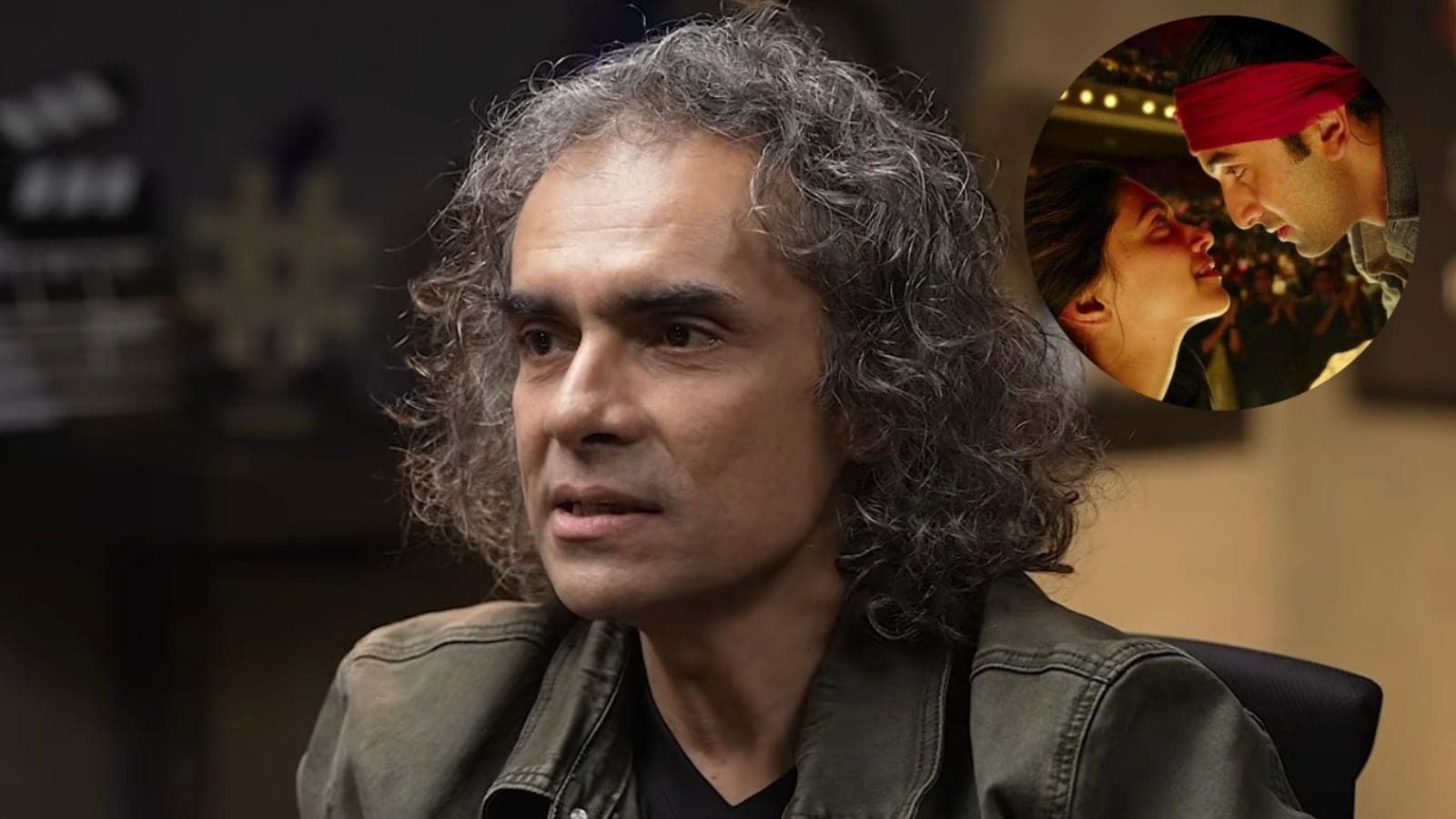
The veteran filmmaker argues that while the digital age has shifted how we communicate, the fundamental pursuit of love remains a universal human constant across generations.
When it comes to mapping the complexities of the human heart, few Indian filmmakers have shaped the cultural narrative quite like Imtiaz Ali. Known for his introspective explorations of connection in films like Tamasha and Rockstar, the director recently turned his lens toward the current youth, dismissing the common trope that today’s youth are uniquely lost or emotionally fragile. Instead, he suggests that what many perceive as a crisis of romance is simply a shift toward a more transparent way of living.
The Myth of the 'Different' Generation
During a recent conversation on a podcast hosted by Raj Shamani, Imtiaz Ali addressed the persistent narrative that Gen Z is fundamentally different from their predecessors. While older observers often point to digital-first dating and casual hookup culture as signs of emotional detachment, Ali argues that these younger people are grappling with the same age-old illusions. According to him, they fall into the classic trap of projecting love onto external qualities before eventually learning the hard lesson that true connection is an internal experience.
"Gen Z is getting the same thing wrong that anybody in their age in any generation has got wrong," the director noted. He believes that the fundamental arc of romance—moving from the idealisation of a partner to the internal realisation of self-love—remains unchanged. Despite the evolution of dating apps and social media, the core human needs for belonging, trust, and intimacy remain consistent across all generations.
Radical Honesty Over Hypocrisy
The defining shift, according to Ali, is not in the quality of the love itself, but in the willingness to articulate it. He observed that younger people have stripped away much of the performative stoicism that defined previous eras. By discussing their feelings openly, they have dismantled the "hypocrisy" that often clouded relationships in the past. Where older generations might have attached a certain nobility to suffering in silence, Gen Z prioritises clarity and direct communication.
This perspective is echoed by experts in the field. Dr. Rimpa Sarkar of Sentier Wellness in Mumbai notes that while the landscape of courtship has been irrevocably altered by technology, the emotional architecture of the human brain has not. She points out that while the approach to seeking validation or safety may look different through a digital interface, the pursuit of acceptance and emotional security remains the primary goal for people of all ages.
Why the Digital Shift Matters
This cultural pivot toward transparency is often mistaken for emotional instability. Ali argues that because younger people are more comfortable sharing their internal states on digital platforms, their vulnerabilities are simply more visible. Rather than being "more fragile," he posits that they are simply more honest, refusing to hide behind the societal masks that earlier generations wore to maintain appearances.
By refusing to romanticise the pain of heartbreak or the confusion of dating, this generation is effectively changing the script of modern romance. For Imtiaz Ali, this isn't a decline in values; it is an evolution toward a more authentic, albeit messy, way of interacting with one another. Whether they are navigating long-term commitments or digital-age flings, the quest remains the same: a search for a depth that transcends the screen.
The PoliticalPedia Editorial Desk brings verified, sourced political news and analysis from across India.