Beyond the Ice Lingam: PM Modi’s Five Mantras for the Amarnath Pilgrims
PM Modi lists 'five sankalps' for Amarnath Yatra pilgrims as second batch leaves Jammu
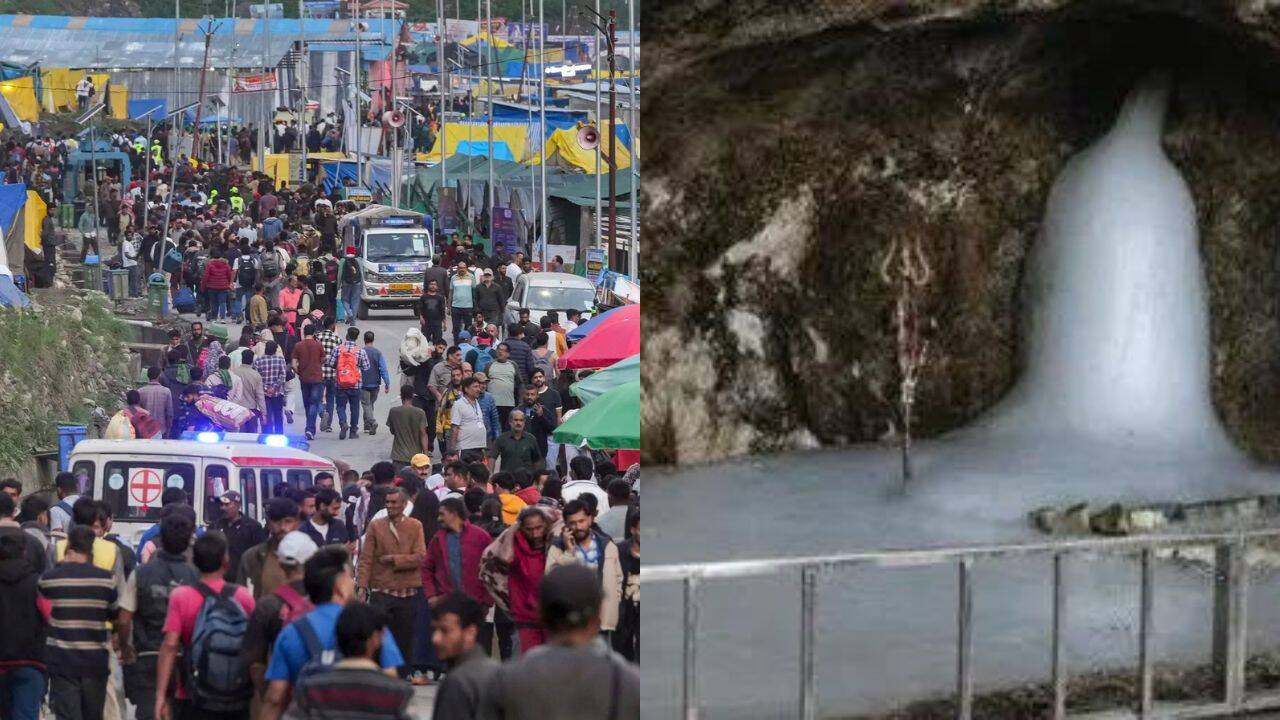
As the second batch of devotees departs Jammu, the Prime Minister redefines the sacred trek as a collective responsibility toward ecology and national unity.
The air at the Bhagwati Nagar Yatri Niwas in Jammu is thick with more than just the scent of incense and the chants of 'Bam Bam Bhole'. As the second batch of pilgrims prepares for the arduous ascent to the holy Amarnath cave, the logistics of the yatra have moved beyond mere crowd control. This year, the pilgrimage—which remains a cornerstone of the national discourse—has received a specific, five-point directive from PM Modi, framing the journey not just as a religious quest, but as a national duty.
The Five Resolves
In a personal letter to the devotees, PM Modi outlined five 'Sankalps' that reflect the changing priorities of modern Indian pilgrimages. The directives are clear: maintain absolute cleanliness, prioritize safety, conserve the fragile Himalayan environment, support the local Kashmiri economy, and embrace a spirit of national service. For the lakhs of Shiva devotees expected to undertake the Amarnath yatra in the coming weeks, these resolves shift the focus from the individual seeker to the collective impact of the pilgrimage on the region.
The imagery of the yatra this year is vivid. In the Ramban district, the Chanderkote Yatri Niwas is bathed in the tricolour, a deliberate aesthetic choice that underscores the intersection of spiritual tradition and national identity. While the journey to seek blessings from Baba Barfani has always been an "eternal chapter" in India’s cultural heritage, the administration is clearly aiming to institutionalize a more disciplined, environmentally conscious approach to the trek.
The Invisible Engine
Behind the spiritual fervor lies a massive administrative machine. The smooth conduct of the yatra relies on a seamless integration of the Indian Army, CRPF, J&K Police, ITBP, BSF, and the NDRF. These security forces, alongside sanitation workers and civil administration officials, are the unsung architects of the pilgrimage. The Prime Minister’s acknowledgment of these teams highlights the sheer scale of the operation required to sustain the yatra, noting that for two months, the path to the cave becomes a living example of India’s "Unity in Diversity."
Why it matters
The shift in messaging—from purely theological to civic and environmental—is significant. The Amarnath yatra is a complex socio-economic engine for Jammu and Kashmir, and by emphasizing support for the local economy and environmental conservation, the government is signalling a pivot toward "responsible pilgrimage." As interest peaks regarding the logistics for the amarnath yatra 2026 and beyond, this year’s emphasis on the five sankalps sets a precedent for how large-scale religious events are managed. It transforms the devotee into a stakeholder in the region's sustainability, moving the needle from a passive visitor to an active participant in the welfare of the Himalayan landscape.
Kabir Sharma writes on culture, technology and everyday life for PoliticalPedia.