Beyond the Hype: Why the Cockroach Janata Party Failed to Replicate the Anna Movement
With Jantar Mantar protest, it’s clear Cockroach Janata Party is not the next Anna Movement
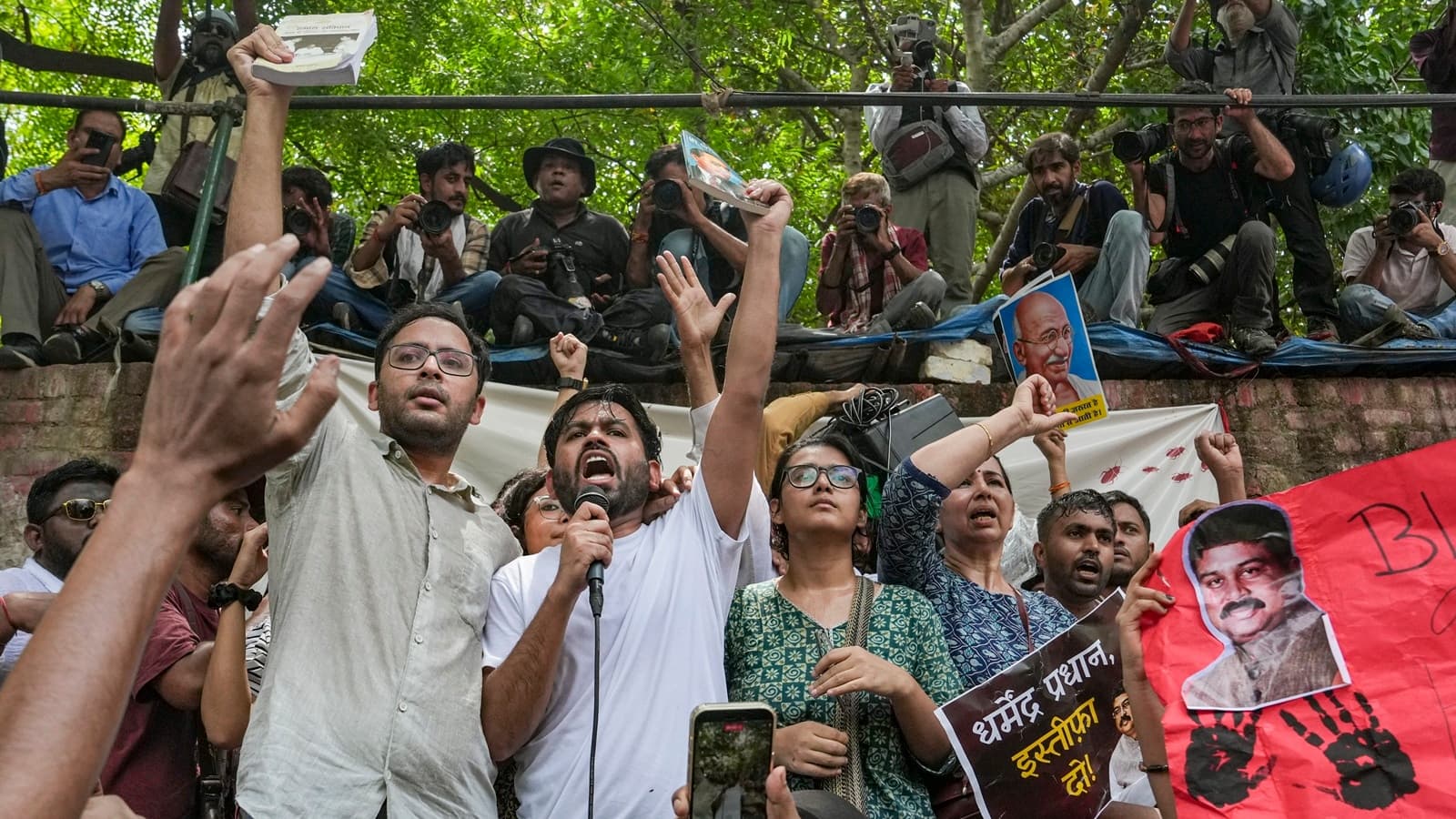
A lack of grassroots structure and strategic planning has left the much-hyped Cockroach Janata Party struggling to translate digital outrage into meaningful political change.
The June 6 protest at Jantar Mantar was meant to be a watershed moment for the Cockroach Janata Party (CJP), yet the event ultimately laid bare the stark differences between today’s social media-driven activism and the historic Anna movement. While the digital momentum of the CJP was undeniable—amassing over 20 million Instagram followers in just five days—the transition from online sensation to a functional, street-level movement proved to be a bridge too far. Unlike the 2011 anti-graft drive that fundamentally shifted the national political discourse, the CJP protest struggled with a lack of substantive mobilisation and a clear, long-term roadmap.
A Mismatch of Eras
The comparison to the Anna movement is, by many accounts, historically misplaced. The 2011 campaign, which eventually paved the way for the Aam Aadmi Party, was the result of years of meticulous groundwork and the unique strategic genius of leaders like Arvind Kejriwal. The CJP, by contrast, emerged rapidly within the context of contemporary digital anxiety. While the movement tapped into genuine frustration—ranging from economic instability to recurring paper leaks—it lacked the seasoned organizational machinery that defined its predecessor.
The Specter of Conspiracy and Anxiety
In the corridors of power, the meteoric rise of the CJP sparked a flurry of conflicting narratives. Critics within the establishment whispered about "foreign hands" seeking to destabilize the government, while opposition skeptics argued the party was a manufactured entity designed to dilute legitimate anti-incumbency campaigns. However, a more neutral assessment suggests the phenomenon is less a grand conspiracy and more a raw manifestation of the youth’s growing restlessness. The Jantar Mantar gathering served as a litmus test for this sentiment, yet the absence of a cohesive leadership structure left many wondering if the CJP is a fleeting trend or a precursor to broader social disruption.
The Future of the CJP
As the dust settles on the Jantar Mantar event, the movement faces an uncertain future. Reports of increased security and public advisories in the capital underscored the government’s wariness, yet the CJP’s inability to sustain the energy of its online base suggests that social media virality is not a substitute for political capital. Whether the movement attempts to formalize its structure or fades into the background of Indian protest history remains to be seen. For now, it serves as a potent reminder that while technology can ignite a spark, only durable, grassroots engagement can ignite a revolution.
The PoliticalPedia Editorial Desk brings verified, sourced political news and analysis from across India.