Beyond the Caffeine Cutoff: Why Your Blood Pressure Readings Might Be Wrong
Before your blood pressure test, put down the tea: This is why
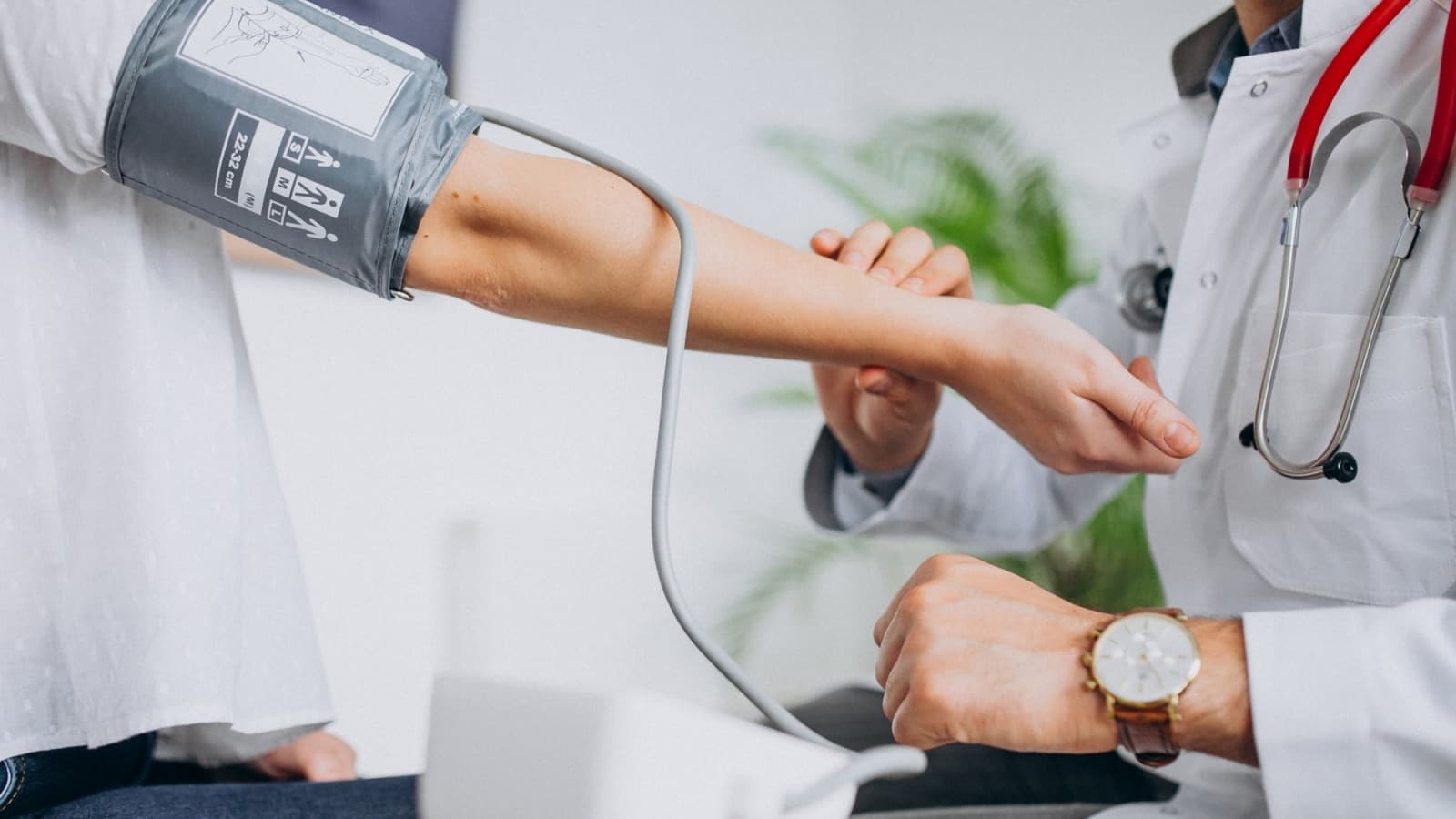
Experts warn that common postural mistakes and daily habits can lead to inaccurate blood pressure data, potentially masking a silent health crisis.
The World Health Organization (WHO) has issued a fresh set of guidelines regarding how we measure our blood pressure, emphasizing that the accuracy of these readings depends as much on our immediate habits as the medical devices themselves. In a recent advisory posted on Instagram, the global health body highlighted that incorrect body positioning and pre-test routines are frequent culprits behind skewed data. According to the WHO, failing to account for these variables can lead to numbers that do not reflect a patient's true cardiovascular status.
The 30-Minute Rule
Before you sit down for a check, timing is critical. Experts advise that you should avoid exercise, smoking, and the consumption of tea or coffee for at least 30 minutes before your test. Dr. Parin Sangoi, a consultant interventional cardiologist at Wockhardt Hospitals, Mumbai Central, explains that caffeine acts as a stimulant that can trigger stress hormones like adrenaline. This reaction signals the liver to release glucose into the bloodstream, which, particularly for those with insulin resistance or diabetes, can create a temporary spike that compromises the reliability of the reading.
Posture and Precision
Beyond diet, the physical mechanics of how you sit play a pivotal role. The WHO checklist demands that patients sit with their back supported, keep legs uncrossed, and ensure feet are flat on the floor. Furthermore, the arm being measured must be supported at heart level, and the patient should remain silent throughout the process. Conversations during the measurement can inadvertently cause a rise in pressure, leading to readings that are higher than they truly are. These small errors often go unnoticed, yet they are significant enough to change the clinical assessment of a patient's health.
Why Accuracy Matters
Hypertension is often dubbed the "silent killer" because it frequently lacks obvious symptoms until internal damage is already advanced. Dr. Sangoi notes that relying on inaccurate numbers is dangerous, as uncontrolled blood pressure can cause long-term, quiet strain on the heart, brain, kidneys, eyes, and blood vessels. Patients often only discover the condition after suffering a major cardiac event, such as a heart attack or stroke. Consequently, the WHO advises resting for at least five minutes before starting the measurement to ensure the body is in a baseline state.
Investing in Reliable Data
While digital monitors have made home testing more accessible, the user must still follow strict protocols to ensure the device provides meaningful information. Using the correct cuff size is non-negotiable; an improperly fitted cuff can lead to significant diagnostic errors. By standardizing these simple habits—avoiding stimulants, ensuring proper posture, and utilizing accurate equipment—patients can play a proactive role in managing their heart health. Consistent, accurate monitoring remains the most effective tool to prevent the complications associated with undiagnosed, long-term hypertension.
The PoliticalPedia Editorial Desk brings verified, sourced political news and analysis from across India.