Beyond the Border: India’s sharp retort to Islamabad over Karachi blast allegations
‘Look inwards’: India tears into Pakistan over Karachi blast allegations
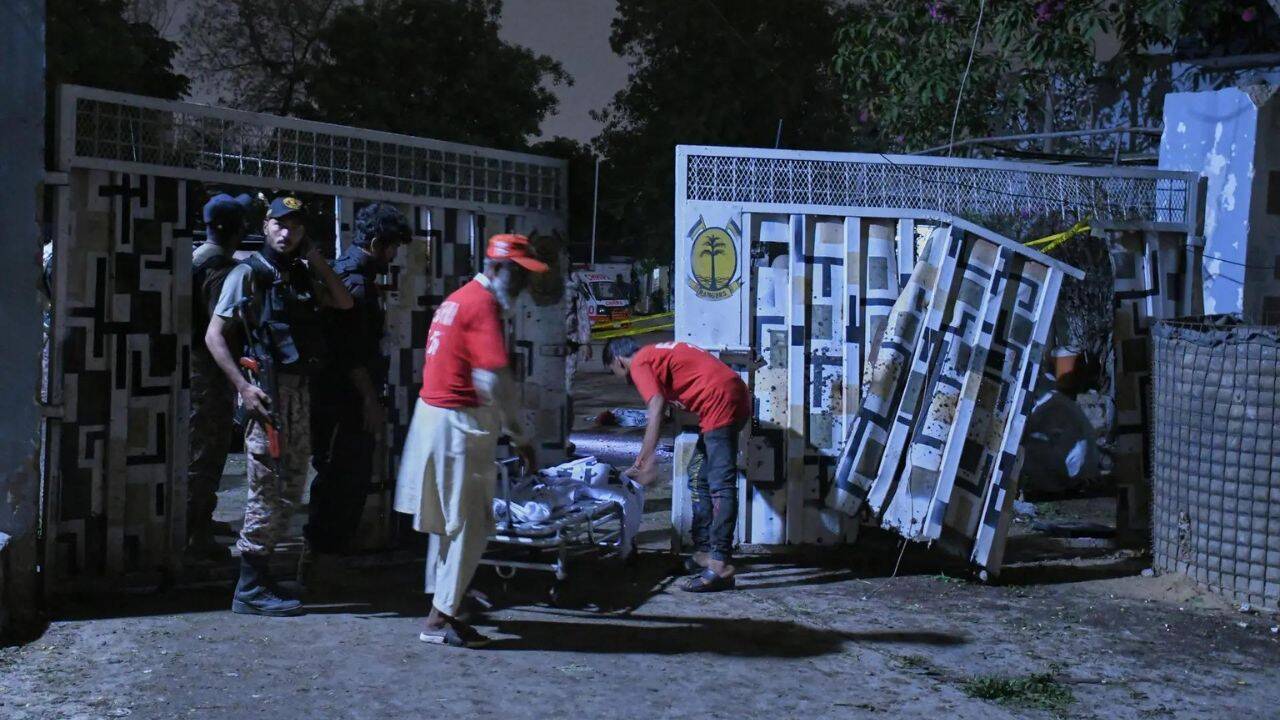
New Delhi has firmly dismissed Pakistan's claims of Indian involvement in a recent terror strike, urging the neighbour to address its own internal terror infrastructure instead.
The South Block corridors in New Delhi were uncharacteristically sharp this Sunday. Following a violent militant ambush in Karachi that left three members of Pakistan’s paramilitary Rangers dead and several others wounded, Islamabad was quick to point fingers across the border. By late afternoon, the Ministry of External Affairs (MEA) had issued a stern rebuttal, effectively telling Pakistan to look inwards rather than manufacturing external scapegoats.
MEA spokesperson Randhir Jaiswal did not mince words. In a direct, no-nonsense statement, he categorised the Pakistani allegations as "baseless." For observers tracking the fragile pulse of India-Pakistan relations, this wasn't just another diplomatic spat; it was a rejection of a familiar, tired script. New Delhi’s stance remains that the Pakistani state must abandon its long-standing habit of using terrorism as an instrument of state policy if it ever hopes to achieve domestic stability.
A history of finger-pointing
The latest diplomatic friction stems from the deadly assault in Pakistan’s commercial hub, Karachi. While the dust is still settling on the security failure there, the knee-jerk reaction from Islamabad to blame India has become a standard, if predictable, reflex. By asking Pakistan to take "credible action" against the terror networks operating within its own borders, India is essentially calling for the dismantling of the very infrastructure that frequently backfires on the Pakistani state itself.
Why it matters
The broader implications here are significant. Each time a security crisis hits Pakistan, the immediate resort to anti-India rhetoric serves a dual purpose: it diverts domestic attention from the failing law-and-order situation and attempts to internationalise a local failure. However, this strategy is losing its efficacy. By calling for Islamabad to look inwards, New Delhi is shifting the narrative from a cross-border blame game to a question of internal governance and accountability.
This exchange highlights the deep-seated mistrust that continues to define the relationship between the two nations. As the region deals with the fallout of such attacks, the cycle of allegations and denials shows no sign of abating. For India, the message is clear—until Pakistan cleans its own house, these accusations are merely a distraction from the fundamental problem of home-grown extremism.
Priya Nair covers parties, elections and the business of power for PoliticalPedia.