Trump Warns Iran "Won't Exist" After Strikes, Gets "Experience Hell" Reply
Trump Warns Iran "Won't Exist" After Strikes, Gets "Experience Hell" Reply
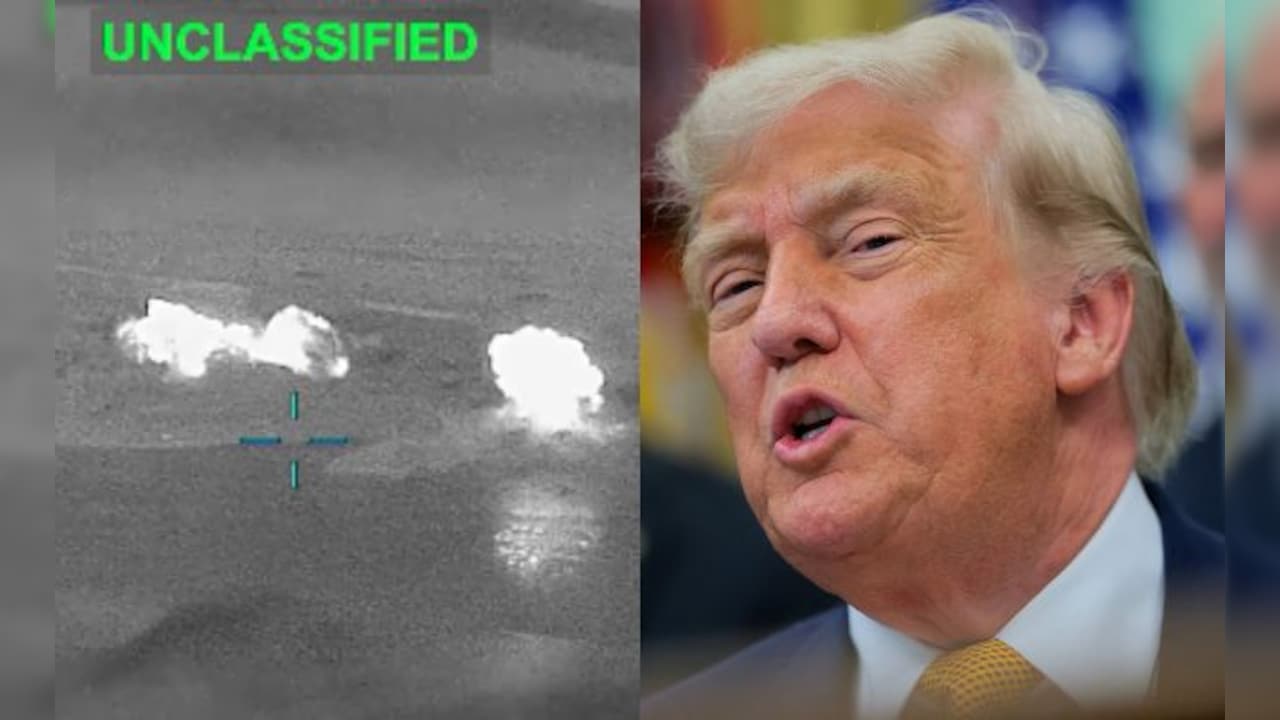
As the fragile ceasefire in the Strait of Hormuz nears collapse, the US and Iran trade escalating threats following a series of targeted military strikes.
The Strait of Hormuz, the world’s most critical maritime chokepoint, is once again on a knife’s edge. For the second consecutive night, the United States has launched military strikes deep into Iranian territory, targeting 10 key sites including radar installations, drone storage facilities, and air defense systems. The escalation follows an alleged Iranian attack on the Panama-flagged tanker 'KIKU', which was carrying two million barrels of crude oil through the region. While the crew remains safe, the fallout for global energy security and regional stability is severe.
In a characteristically blunt reply to the ongoing hostilities, Donald Trump warned Iran that if the US is forced to resume full-scale military action, the nation effectively won’t exist in its current form. Tehran has not backed down, firing back with a defiant ultimatum: "Experience hell." The rhetoric marks a dangerous departure from the recent, albeit shaky, diplomatic efforts to end the conflict.
A Battlefield of New Cards
The intensity of these exchanges has moved beyond mere posturing. US Central Command (CENTCOM) has taken the unusual step of releasing 38-second combat footage of the strikes on X, providing a visual confirmation of the US military's reach. Iran, meanwhile, is signaling that its response will be unconventional. Reports indicate that Tehran is threatening to reveal "new cards on the battlefield" should the conflict continue to spiral, raising the stakes for US warships patrolling the area.
This is a high-stakes game of brinkmanship. Iranian forces have already been seen issuing "last warnings" to US naval vessels, demanding they "alter course and go back." These localized standoffs, now occurring daily, suggest that the maritime corridor is no longer just a trade route, but a primary theater for this rekindled war.
Why it matters
The collapse of the ceasefire carries profound implications for the global economy. The Strait of Hormuz is the juggernaut of oil transit; any sustained closure or major kinetic engagement here would send crude prices soaring and disrupt global supply chains. Beyond the logistics, the pattern of these strikes reveals a shifting strategy. By targeting minelayer capabilities and surveillance infrastructure, the US is attempting to degrade Iran’s ability to "choke" the strait. However, each strike further poisons the already fragile negotiating process, leaving little room for backchannel diplomacy.
The situation is a grim reminder of how quickly regional skirmishes can override high-level talks. As both sides dig in, the international community is left watching a volatile cycle where military posturing—and the threat of total destruction—has replaced the language of de-escalation.
Priya Nair covers parties, elections and the business of power for PoliticalPedia.