Beyond the BJP: Did Annamalai Refuse a Rajya Sabha Seat Before His Resignation? Here Is What We Know
Did BJP Offer K Annamalai A Rajya Sabha Seat Before His Resignation? Here's What We Know
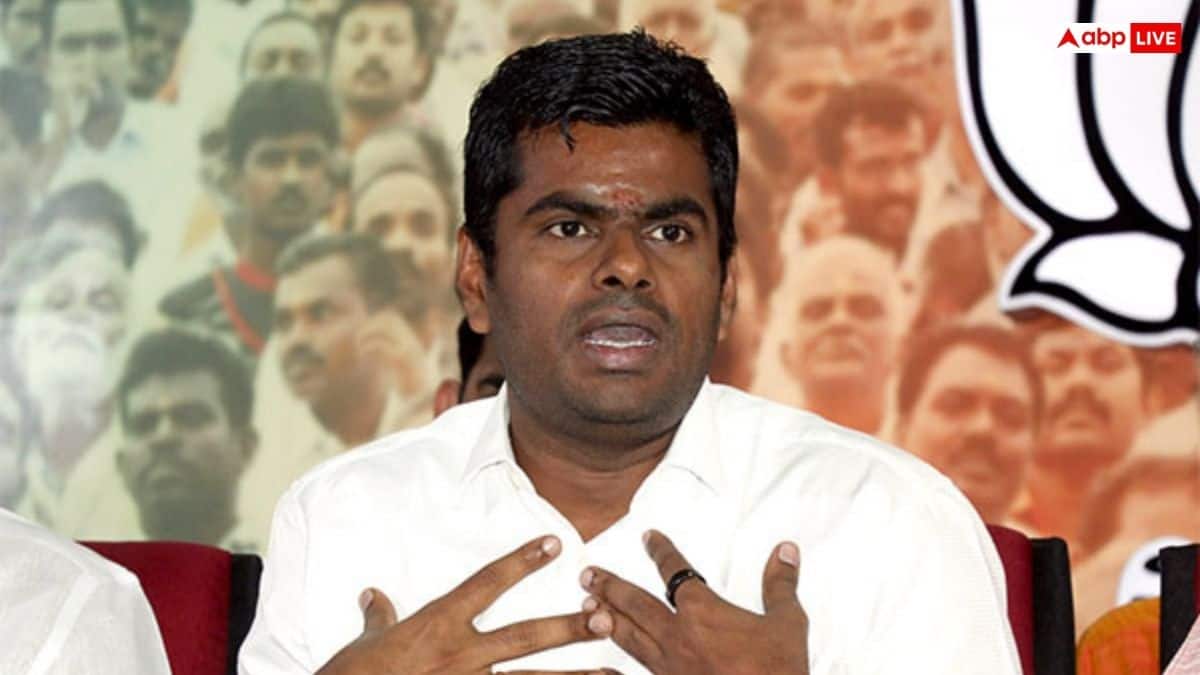
The departure of the former Tamil Nadu BJP chief signals a significant political realignment, with reports suggesting he turned down a central nomination before striking out on his own.
The political landscape in Tamil Nadu shifted dramatically on Friday, June 5, 2026, when K. Annamalai officially resigned from the primary membership of the Bharatiya Janata Party (BJP). His resignation, which was promptly accepted by party national president Nitin Nabin, concludes weeks of intense speculation regarding the former IPS officer’s future. As the dust settles, the focus has turned to the internal negotiations that preceded his departure, specifically whether the BJP attempted to retain him with a berth in the Upper House.
The Rajya Sabha Question: What We Know
In the days leading up to his exit, multiple reports suggest that the BJP leadership made a concerted effort to keep Annamalai within the fold by offering him a nomination for a Rajya Sabha seat. According to information gathered from party circles, the offer was specifically tied to the upcoming elections for four seats in Andhra Pradesh. However, insiders claim that Annamalai declined the offer, signaling his intent to pursue a different trajectory.
The timing of these negotiations appears to have directly impacted the NDA’s electoral strategy. Just one day before his resignation was finalized, the BJP released a list of 11 candidates for the Rajya Sabha, conspicuously omitting Annamalai’s name. Further evidence of this shift lies in the state-level seat sharing arrangements: while initial discussions between TDP chief N. Chandrababu Naidu and Jana Sena leader Pawan Kalyan had allocated one seat to the BJP, the party ultimately withdrew its claim to that Andhra Pradesh seat entirely following the breakdown in talks with Annamalai.
A New Political Movement
While the BJP has officially accepted his resignation, Annamalai’s next steps are already the subject of vigorous debate. Rather than retreating from the public eye, he has publicly signaled his intention to launch a new "political movement." Addressing the reasons for his departure, he has emphasized a need to move away from what he describes as "cult and dynastic politics," suggesting that his future endeavors will focus on a different ideological or structural approach to governance.
The gravity of this exit has drawn reactions from across the political spectrum. Pawan Kalyan, in a recent observation, remarked that Annamalai was a figure who perhaps needed "a little guidance" during moments of isolation, underscoring the complexities of managing high-profile leaders within a coalition. For the BJP, the loss is significant; Annamalai had been the face of the party’s aggressive expansion strategy in Tamil Nadu. The failure to secure his commitment for a parliamentary role marks a notable setback in the party's regional consolidation efforts.
Regional Ramifications
The departure is more than just a personnel change; it represents a rupture in the NDA’s regional synergy. With the BJP ceding its claim in the Andhra Rajya Sabha polls, it is clear that the party's internal calculus changed rapidly once it became apparent that Annamalai was not interested in the parliamentary path offered to him. As he prepares to outline his "political movement," all eyes remain on whether this shift will alter the electoral balance in the southern states. While social media trends occasionally conflate such movements with unrelated regional political buzz—such as developments in states like मध्य प्रदेश—this situation remains firmly rooted in the specific political friction currently unfolding within the Tamil Nadu and national NDA architecture.
The PoliticalPedia Editorial Desk brings verified, sourced political news and analysis from across India.