Beyond Paper: Why the RBI is Rethinking India’s Currency Future with Polymer Notes
Will India finally get plastic banknotes? RBI's polymer currency plan explained
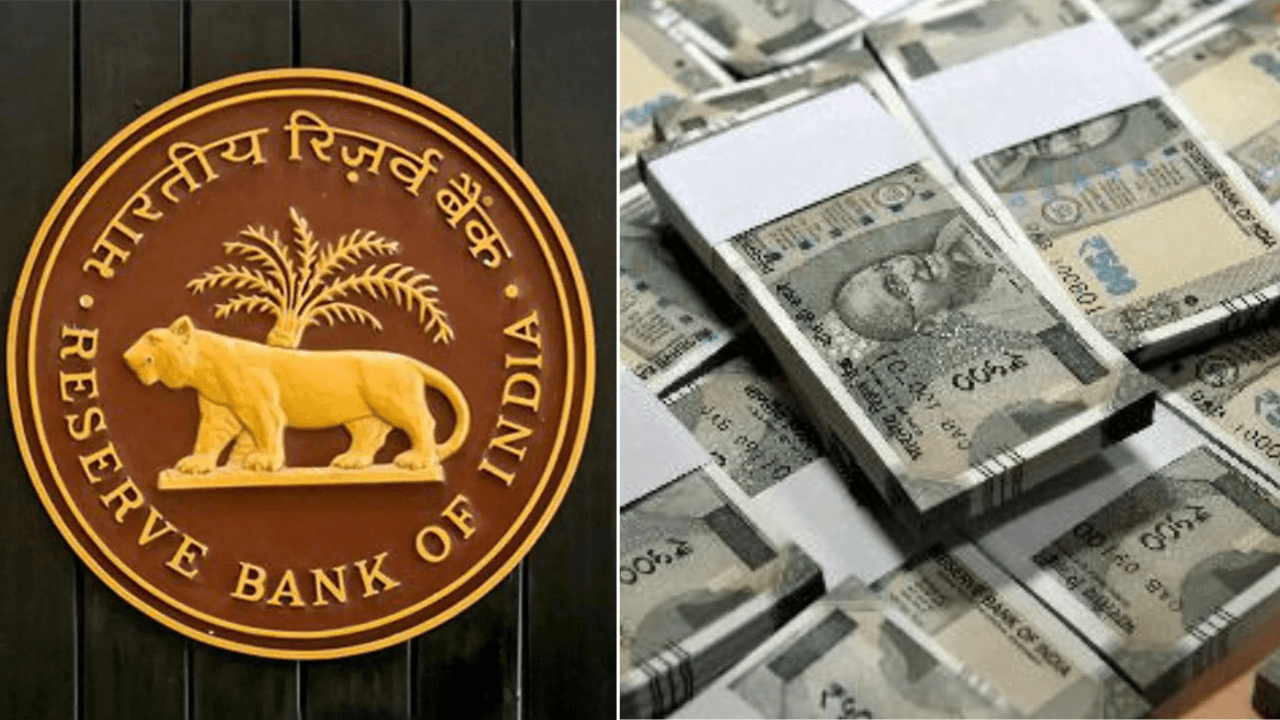
As the central bank explores a shift toward plastic banknotes to combat durability issues and rising printing costs, the proposal for polymer currency returns to the national discourse.
The Reserve Bank of India (RBI) is actively evaluating the feasibility of transitioning from traditional cotton-pulp paper to polymer-based currency. Governor Sanjay Malhotra recently confirmed that the plan, which has lingered in the background for over a decade, is once again under active consideration. While officials stress that the project remains at a preliminary stage with no immediate rollout scheduled, the move signifies a strategic pivot toward modernizing the physical cash infrastructure of the country.
Addressing the Durability Crisis
For the RBI, the primary driver for this shift is the physical degradation of current banknotes. India’s diverse climatic conditions, coupled with the high velocity at which cash changes hands, result in nearly two lakh damaged notes being pulled from circulation and destroyed annually. Paper currency is inherently susceptible to moisture, dirt, and wear, leading to a shortened lifespan. In contrast, international precedents from countries like Australia, the United Kingdom, and Canada suggest that polymer banknotes are significantly more resilient, often lasting two to five times longer than their cotton-based counterparts.
Beyond mere durability, the economic implications are substantial. With printing costs for currency reaching Rs 6,373 crore in the last fiscal year, the RBI is looking for ways to streamline expenditure. By adopting a more durable substrate, the central bank aims to reduce the frequency of replacement, potentially securing long-term savings in production and logistics despite the higher initial cost of polymer manufacturing.
Security in an Era of Counterfeiting
The fight against fake currency remains a top priority, and polymer banknotes offer distinct technological advantages. Unlike paper, plastic notes allow for the integration of sophisticated security features such as complex transparent windows, advanced holograms, and dynamic colour-shifting elements. These features are notoriously difficult to replicate, providing an extra layer of defense against the rising detection of forged high-denomination notes in circulation.
The Digital Paradox
The discussion surrounding plastic currency may seem counterintuitive in an economy increasingly dominated by digital payment systems. However, the demand for cash in India remains robust, necessitating a more robust physical currency system. While the nation continues to break records in digital transactions, the RBI’s move to explore polymer suggests a two-pronged strategy: embracing the digital future while ensuring that the physical notes currently in circulation are as secure, cost-effective, and durable as possible. As the central bank moves toward a potential pilot program, the focus remains on balancing public convenience with global standards of currency management.
The PoliticalPedia Editorial Desk brings verified, sourced political news and analysis from across India.