Beyond Kinship: The Kerala Leader Who Stepped In When Families Looked Away
Kerala Muslim Panchayat Member Performs Hindu Man's Last Rites After Family Refuses To Claim Body
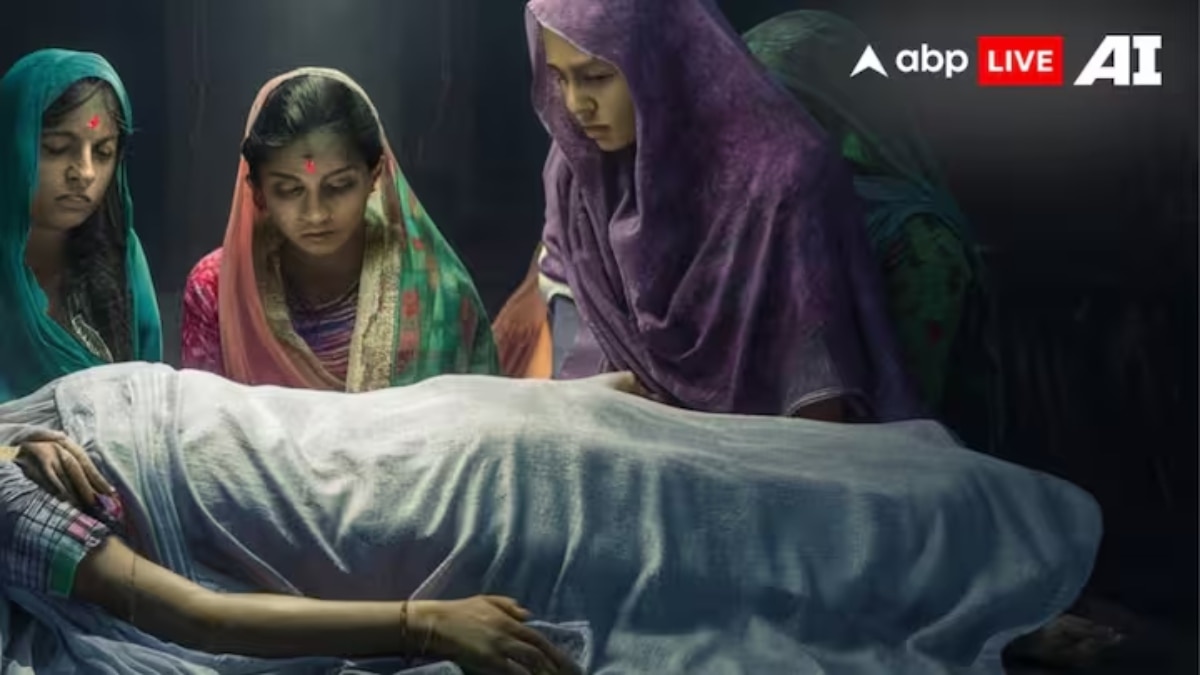
A quiet act of humanity in Kasaragod redefines community bonds as a local representative steps forward to honour the final wishes of a stranger.
The image is striking: a woman in a purdah, performing the final rituals of a Hindu funeral at a crematorium in Uppala. For Irfana Iqbal, the development chairperson of the Kasaragod district panchayat, the sight wasn't a political statement, but a moral imperative. When 64-year-old Narayanan, a man she had spent the last month trying to save, passed away at the Kozhikode Government Medical College Hospital, he was left with no one to claim his remains.
Narayanan’s final chapter began in despair. Roughly a month ago, he was discovered starving and weak on the veranda of a shop in Chigrupadavu. Alerted by a local ward member, Iqbal intervened. She coordinated with the District Collector and the District Medical Officer, ensuring the man received primary care before moving him to the medical college when his condition deteriorated into fourth-stage cancer.
When the end came, the hospital reached out to Narayanan’s estranged relatives. They declined to claim the body. While the refusal of kin is a stark reality in many such cases, the family took the unusual step of authorising Iqbal to handle the proceedings. She didn't hesitate. Together with volunteers from a local charitable foundation, she ensured that Narayanan’s last rites were conducted according to his own Hindu traditions.
The Human Thread
This isn’t the first time such stories have emerged from the region. Recent reports from outlets like Daijiworld highlight similar instances where Muslim youths have stepped up to assist in the cremation of those abandoned by their own. In a landscape often defined by fractured communal narratives, these acts serve as a reminder that the basic obligations of humanity—the dignity of a person in death—still transcend religious lines.
The fact that a Kerala Muslim panchayat member would go to such lengths to performs Hindu man's last rites after family refuses to claim body has resonated deeply on social media. For those observing the incident, the gender of the participant, her faith, and the specific religious requirements of the deceased were secondary to the fundamental need for a respectful farewell.
Why it matters
These episodes point to a silent, grassroots shift in how local governance functions in Kerala. Public representatives are increasingly acting as the primary safety net for the vulnerable, filling the void left by failing familial support systems. When the traditional structures of family and community collapse, it is often the local panchayat leadership—regardless of their personal background—that steps into the breach. It is a pragmatic, quiet form of social security, one that relies on individual empathy rather than institutional bureaucracy to solve the most sensitive of human crises.
Kabir Sharma writes on culture, technology and everyday life for PoliticalPedia.