Beyond Concrete: What the PMAY-G Extension Means for Rural India
PMAY-G housing scheme: Are you eligible? Benefits, application process explained
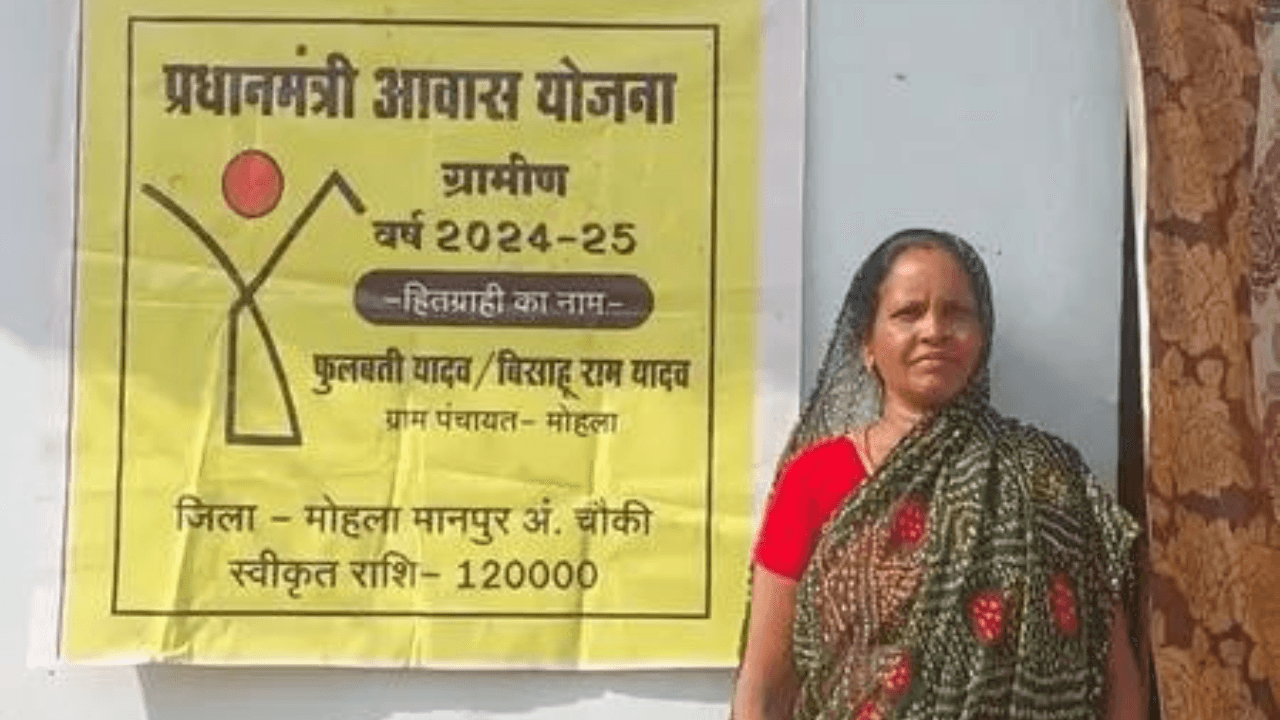
As the government extends the Pradhan Mantri Awas Yojana-Gramin to 2029, we break down the eligibility, financial assistance, and the shifting landscape of rural housing.
For a family in a remote village, the shift from a crumbling mud structure to a pucca house is more than an architectural upgrade; it is a fundamental change in status and security. Since the launch of the Pradhan Mantri Awas Yojana-Gramin (PMAY-G) in 2016, the mission has sought to replace the precariousness of kutcha living with permanent, safe shelter. With the scheme recently extended to 2029, the government is betting that the promise of "Housing for All" remains a critical pillar of its rural development mandate.
The Essentials: How the Scheme Works
The core objective of this housing scheme is to provide a durable roof over the heads of those who are homeless or living in dilapidated conditions. A standard PMAY-G unit is designed to be a functional, 25-square-metre home, complete with a hygienic cooking space. Financial benefits are structured to account for geography: beneficiaries receive Rs 1.20 lakh in plain areas, while those in hilly, northeastern, or difficult terrains are eligible for Rs 1.30 lakh. These funds are transferred directly into Aadhaar-linked accounts, cutting out the intermediaries that once plagued such welfare programs.
Beyond Just Bricks
What makes the PMAY framework unique is its effort to link a house to a household’s broader ecosystem. The scheme does not operate in a vacuum. By converging with the Swachh Bharat Mission-Gramin, the government provides an additional Rs 12,000 for toilet construction. Furthermore, beneficiaries can tap into MGNREGA for 95 days of wage support, turning the construction process into a local employment generator. For those needing a little extra headroom, the government allows access to institutional credit of up to Rs 70,000 at a subsidised interest rate of 3 percent.
Eligibility and the Path to Application
Securing a home under the Pradhan Mantri Awas Yojana is not an open-ended process; it relies on socioeconomic data to target the most vulnerable. While local authorities verify the list of beneficiaries based on housing deprivation criteria, the government has periodically eased exclusion norms to ensure the safety net catches those who truly need it. Prospective applicants can register or check their status via official portals, though local village-level gram sabhas remain the primary point of verification. It is essential to keep all Aadhaar-linked documentation updated to ensure the direct benefit transfer (DBT) is not stalled by clerical errors.
The Bigger Picture: Why It Matters
The extension of this rural mission until 2029 signals a long-term commitment to infrastructure as a tool for poverty alleviation. However, the administrative burden of such a massive undertaking is significant. We are seeing a tug-of-war in some states, where local governments are launching their own versions—such as West Bengal’s ‘Banglar Bari’—often as a response to perceived gaps or funding disputes with the Centre. This friction highlights a broader reality: in federal India, a flagship awas program is never just about construction; it is a high-stakes arena for political accountability, where the speed of building determines the grassroots popularity of the party in power.
Politics Desk at PoliticalPedia covers parties & elections for an Indian audience in English and Hindi.