Bengal’s Political Crucible: TMC Rebels and the Quiet Parleys in Delhi
ममता को अभी और तगड़ा झटका लगेगा, रात में TMC के बागी सांसदों की CM शुभेंदु संग बैठक, सायोनी घोष भी पहुंचीं
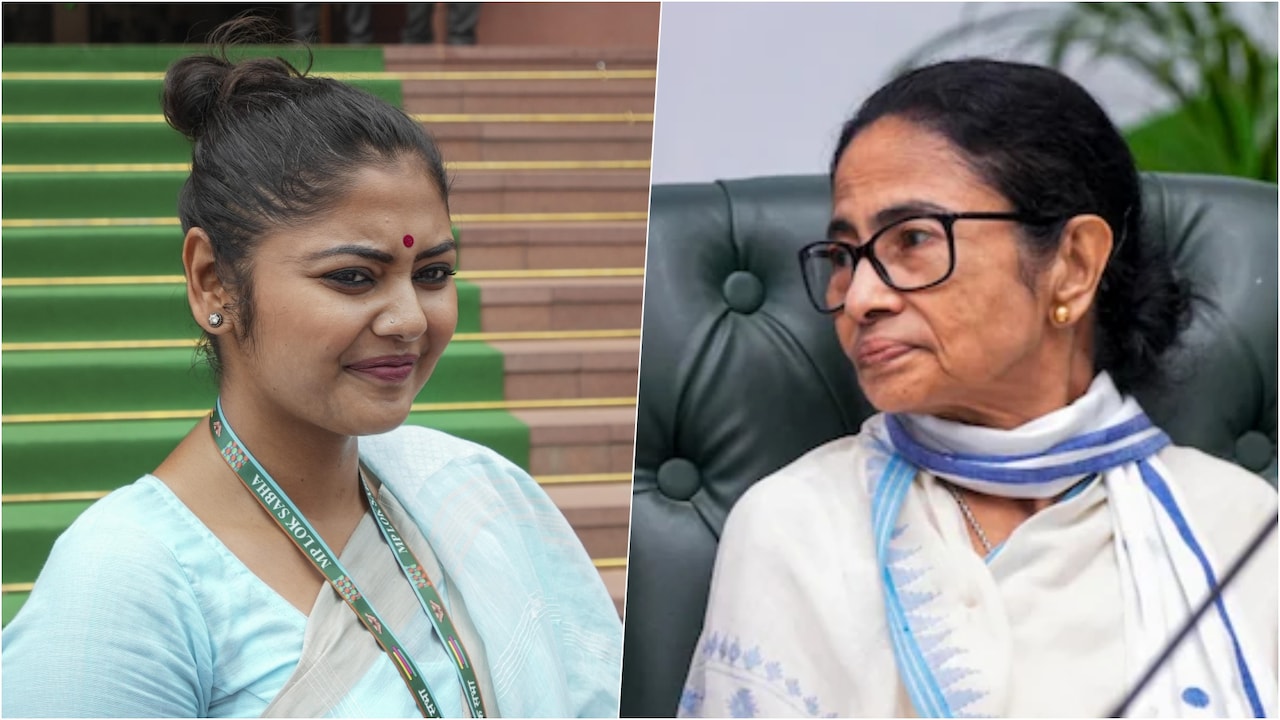
As murmurs of internal friction grow louder, a late-night meeting in the national capital suggests a shifting landscape for Mamata Banerjee’s Trinamool Congress.
The corridors of power in New Delhi are often witness to alliances forged in the shadows, but few have sent as many tremors through Kolkata as the latest movements of West Bengal’s political players. Late at night, far from the familiar sights of the Hooghly, a group of Trinamool Congress (TMC) rebels were spotted in a high-stakes huddle at the residence of Union Minister Bhupendra Yadav.
Among those present was Sayoni Ghosh, a prominent face within the TMC ranks, whose presence at the meeting has fueled intense speculation regarding her future trajectory. The meeting, which also involved West Bengal’s Leader of the Opposition, Suvendu Adhikari, marks a significant escalation in the ongoing friction between the state’s ruling party and its central opposition.
A Tightening Web for the TMC
For months, the TMC has grappled with internal dissent, but the physical presence of party figures alongside BJP leadership in the capital changes the optics entirely. While party spokespersons often dismiss these encounters as professional or incidental, the timing—amidst broader national churn—suggests something more deliberate.
The political grapevine in Delhi is currently buzzing with various developments, though unrelated figures like Sanjay राउत (Sanjay Raut) are frequently mentioned in national discourse. However, for those tracking Bengal, the focus remains firmly on the internal stability of the TMC. Whether this gathering acts as a precursor to formal defections or merely a pressure tactic remains to be seen, but the optics are undoubtedly a headache for Mamata Banerjee’s leadership.
Why it matters
This is more than just a case of individual leaders switching sides. The pattern of TMC rebels gravitating toward central leadership signals a coordinated effort to challenge the party’s hegemony in West Bengal. As the algorithm of state politics shifts, the Bharatiya Janata Party is clearly looking to leverage every crack in the TMC’s facade.
If these meetings translate into concrete political shifts, it could alter the balance of power in the upcoming legislative cycles. For the TMC, the challenge is two-fold: managing the public perception of a leaking ship while containing the quiet influence of those who feel sidelined in the current power structure. The coming weeks will be critical in determining if these midnight parleys were merely a ripple, or the start of a seismic shift in Bengal’s electoral landscape.
Ananya Iyer covers global affairs with an Indian lens for PoliticalPedia.