Ayodhya Probe: SIT Questions 140 People Over Alleged Donation Irregularities at Ram Temple Trust
AYODHYA PROBE: SIT Questions 140 People Over Alleged Donation Irregularities at Ram Temple Trust
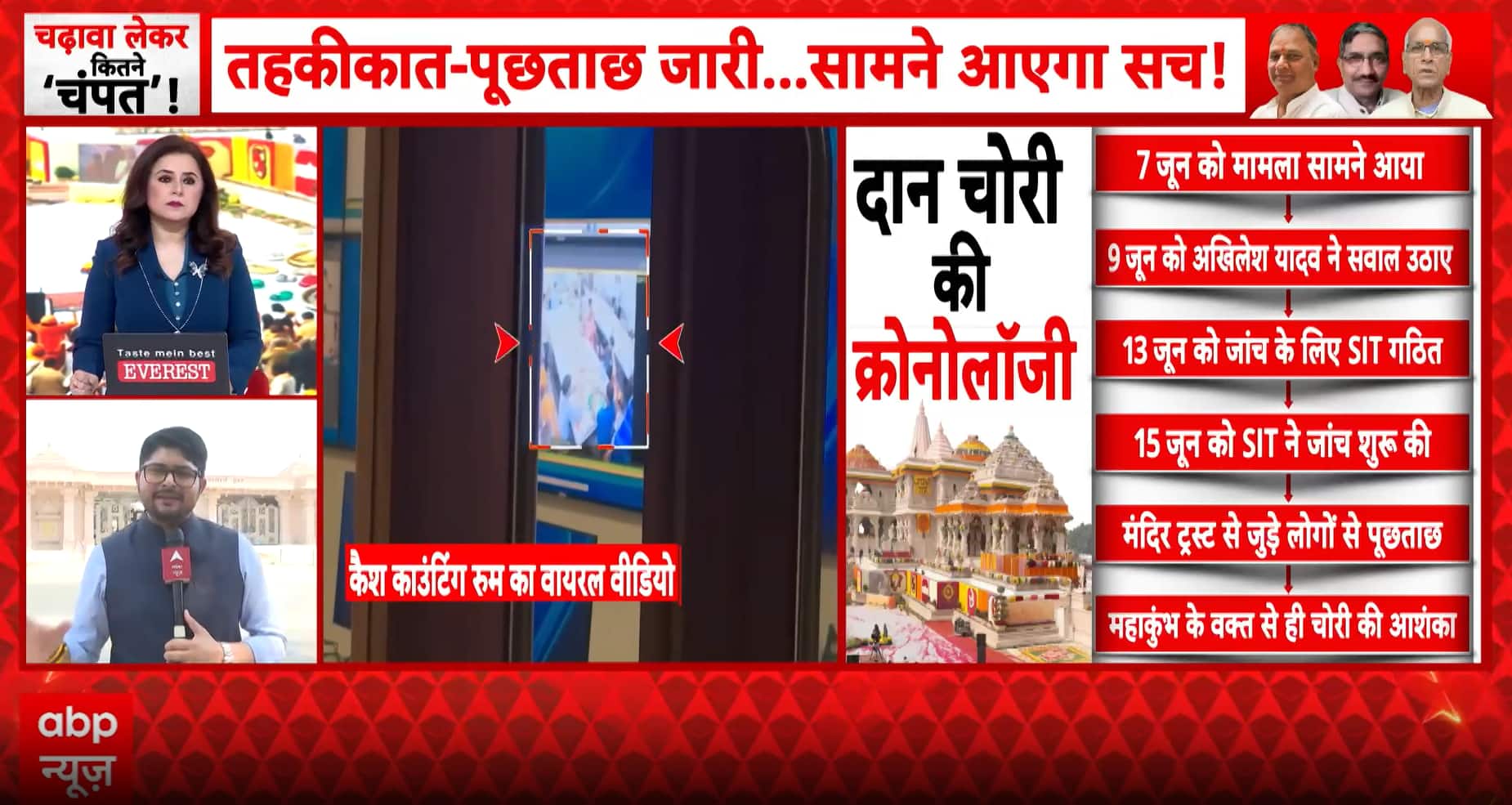
An administrative investigation is underway in Ayodhya as authorities scrutinize the flow of offerings at the Ram Temple following reports of financial discrepancies.
The steady stream of devotees arriving at the Ram Mandir in Ayodhya has been met with a parallel, quieter procession: the arrival of investigators. A Special Investigation Team (SIT) is currently conducting an extensive ayodhya probe into the handling of temple finances, focusing on alleged irregularities that have surfaced within the Ram Temple Trust. With 140 people already questioned, the investigation marks a significant administrative intervention in the management of one of the country’s most prominent religious institutions.
Tracking the Flow of Offerings
The SIT questions center on the complex lifecycle of a donation. When devotees drop cash, gold, or silver into the temple boxes, they trigger a high-stakes logistical operation. During festivals and peak pilgrimage seasons, the volume of these inflows surges dramatically, creating a pressure test for the existing accounting procedures.
According to official briefings, the current probe is examining the entire chain of custody: from the moment collections are gathered to the final bank deposit. At the heart of the oversight are 24 personnel, a mix of trust staff and outsourced employees, who manage the sorting and bundling of cash under the watch of CCTV cameras. Banking representatives from a public sector institution are also embedded in the process to oversee the final handovers. Investigators are now cross-verifying the statements of these staff members against financial records and video evidence to spot any inconsistencies in the ledger.
Why it Matters
The integrity of donation management in India’s major temples is rarely just a matter of accounting; it is a matter of public trust. When millions contribute with devotion, the systems managing those funds are expected to be beyond reproach. This investigation is less about the temple itself and more about the robustness of the financial architecture protecting the offerings of the faithful. If the SIT identifies systemic gaps, it will likely lead to a total overhaul of how high-footfall religious sites handle physical cash, setting a template for transparency that could influence similar trusts across the country.
The Path Ahead
While the SIT has kept a tight lid on the specifics of the alleged wrongdoing, the scope of the questioning suggests a deep-dive audit. Officials are expected to compile a preliminary report for senior state authorities in the coming days. For now, the temple premises remain open, but the scrutiny of the financial back-end serves as a reminder that even the most sacred of institutions are not exempt from the cold, hard requirements of financial accountability. The investigation is ongoing, and the findings will be critical in determining whether the trust’s procedures were merely overwhelmed by the sheer scale of devotion, or if there was a deliberate attempt to siphon off resources.
Ananya Iyer covers global affairs with an Indian lens for PoliticalPedia.