As Tensions Mount, Is the Israel–U.S. Alliance Straining Over Iran?
Watch: Is the Israel–U.S. alliance straining over Iran?
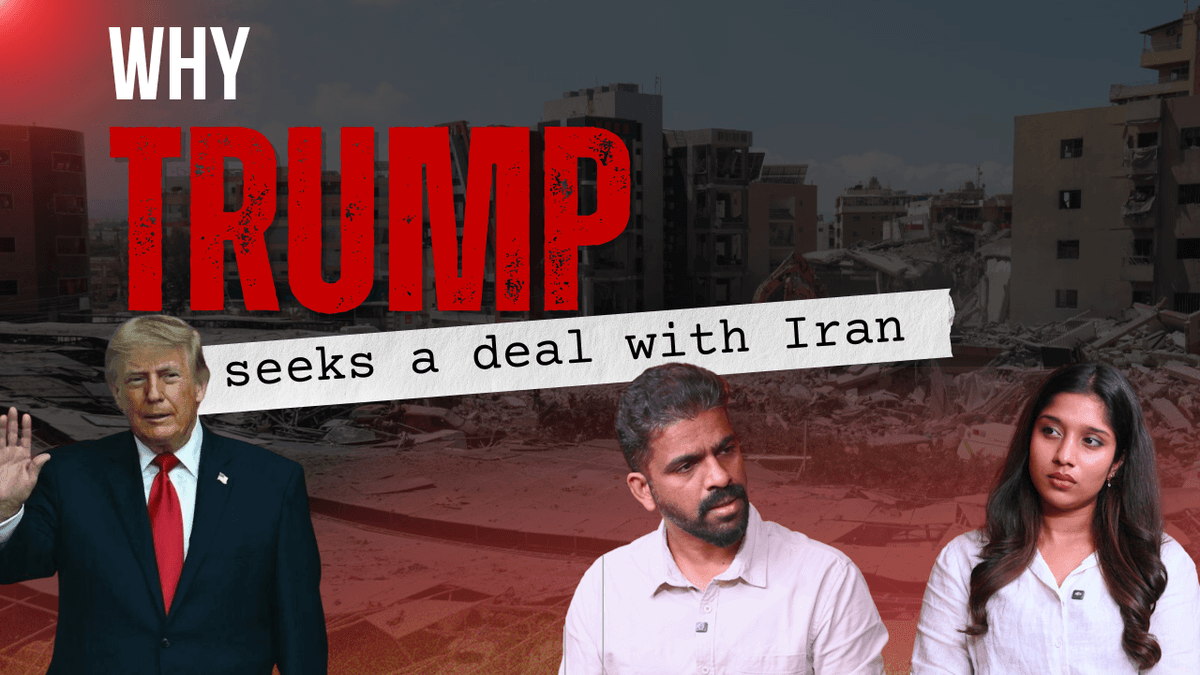
While Washington shifts toward diplomatic outreach, Tel Aviv remains committed to a security-first posture, creating a widening rift in the Middle East.
The long-standing strategic alignment between Washington and Tel Aviv is facing a period of unprecedented friction as the two nations grapple with conflicting approaches to the Iranian question. As of June 2026, the divergence has become impossible to ignore: while the Trump administration has been characterized by a volatile mix of heavy-handed air campaigns and sudden pivots toward diplomatic engagement, Israel has maintained an aggressive, kinetic posture. Recent reports from outlets like the New York Times highlight this paradox, noting that Israel continues to strike Hezbollah targets even while participating in broader, U.S.-brokered talks aimed at stabilizing the region.
The Strategy Gap
The discord appears to stem from fundamentally different risk assessments. President Trump’s recent rhetoric, which has at times demanded that allies take more responsibility for policing strategic chokepoints like the Strait of Hormuz, has left many partners scrambling. Analysts observe that this "strong-arming" approach is struggling to maintain cohesion among traditional allies. While the U.S. seems to be testing the efficacy of a ceasefire to contain the conflict, Israel remains deeply skeptical, viewing a "security-first" military offensive as the only viable path to neutralize Iran’s regional armed network and its proxies.
Regional Realignment and Risks
The broader Middle East is feeling the aftershocks of this policy mismatch. Countries like the UAE are finding themselves caught in the middle, attempting to balance their regional diplomatic interests with the demands of their Western allies. Meanwhile, reports from global intelligence centers suggest that Iran, despite facing internal economic pressure and a weakened state, is paradoxically insisting on prolonging the conflict, gambling that the lack of a unified U.S.-Israeli front will eventually erode the resolve of the coalition.
A Fragile Future
For observers, the concern is whether the historic "special relationship" can withstand the current operational volatility. The recent widening of military actions—where both U.S. and Israeli planes have engaged targets within Iranian borders—has accelerated the intensity of the war, yet left clear definitions of "victory" elusive. As officials in Washington face scrutiny over the effectiveness of their air campaigns, the uncertainty has forced other nations, particularly in Asia, to look toward alternative energy sources and unconventional diplomatic channels to protect their own economic security.
The coming weeks will likely prove decisive. As the U.S. attempts to pivot from its previous hardline stance toward a more consultative, if uncertain, diplomatic framework, Israel’s insistence on unilateral action threatens to disrupt the delicate, U.S.-backed regional architecture. Whether this creates a necessary pressure valve or a permanent crack in the alliance remains the most pressing question for diplomats and security experts alike. Readers are encouraged to watch these developments closely, as the policy shifts in Washington and Tel Aviv will determine the trajectory of security across the region for years to come.
The PoliticalPedia Editorial Desk brings verified, sourced political news and analysis from across India.