As Conflict Stalls Supply, OPEC+ Struggles to Tame Soaring Oil Prices
Iran war hobbles power to shape oil market
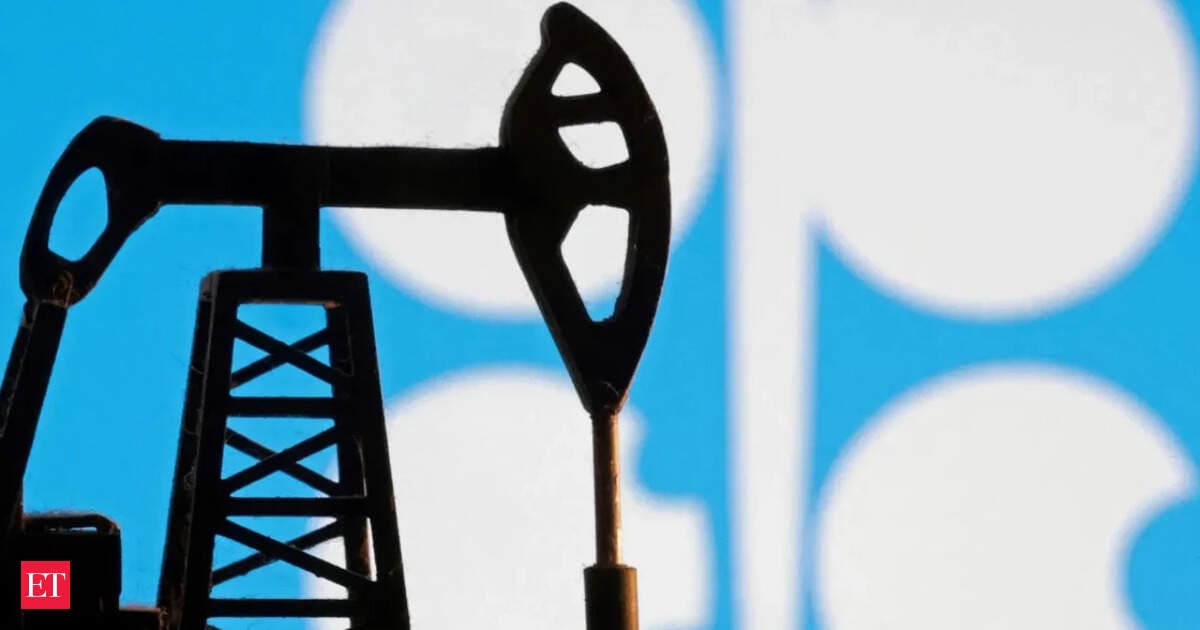
With the Strait of Hormuz effectively closed, the cartel’s efforts to calm global markets through production adjustments are facing unprecedented geopolitical headwinds.
The ongoing conflict in Iran has rendered the traditional levers of the global energy market largely ineffective, casting a shadow over the latest virtual meeting of OPEC+ ministers. As the group gathers to deliberate on production quotas, analysts remain skeptical that any policy shift will provide relief to consumers. Since the closure of the Strait of Hormuz following US and Israeli actions in late February, global crude prices have nearly doubled, triggering widespread inflationary concerns.
The Illusion of Control
While the cartel is widely expected to announce an increase of roughly 188,000 barrels a day, market observers warn that such figures are largely symbolic. "Any announced production increases or changes to output targets will have limited practical value," said Ole Hansen, a commodities analyst at Saxo Bank. The reality on the ground contradicts the arithmetic of the boardroom; while OPEC+ members theoretically hold massive capacity, the effective closure of key Gulf shipping lanes means that even existing supplies cannot reach global buyers.
Data from the monitoring firm Kpler highlights the severity of the supply shock. Before the conflict, daily output sat at approximately 43 million barrels; that figure has since cratered to 33 million, with experts predicting that the blockade on Iranian ports will push actual availability even lower. For traders watching the markets, the pledged quotas are essentially disconnected from the physical reality of the energy sector.
Internal Fissures and Future Risks
The crisis is testing the internal cohesion of the alliance, with some members prioritising national revenue over collective discipline. Abu Dhabi has signalled a desire to ramp up exports, as nations grow weary of being constrained by group mandates. This friction poses an existential threat to the organisation. "If Iraq were to leave, it could mark the end of OPEC+," noted Homayoun Falakshahi, a crude oil analyst at Kpler. Saudi Arabia, the alliance's de facto leader, is now engaged in a delicate balancing act, reportedly considering more flexible quotas to prevent a fracturing of the group.
The broader geopolitical context remains volatile. While some reports suggest the possibility of a diplomatic path forward—with speculation circulating that a new US administration might seek to resolve the conflict without fully reopening the Strait—the current reality is one of weaponised energy infrastructure. As global markets brace for further uncertainty, the limitations of the cartel’s influence have never been more apparent, leaving the world to navigate a supply landscape defined by blockades rather than bureaucratic decision-making.
The PoliticalPedia Editorial Desk brings verified, sourced political news and analysis from across India.